Opioid Settlement Case Studies: Real Programs, Budgets & Outcomes
This library documents how communities across the country are using opioid settlement and abatement funds to expand prevention, treatment, recovery, and overdose prevention services. Each case study profiles a single program in a single jurisdiction and details its funding, partners, design, and outcomes, from same-day buprenorphine care in Burlington, Vermont, to a rural walk-in recovery center in Walker County, Alabama.
Use the filters to sort by settlement category, service type, population served, community type, state, and budget range, then open any profile to review the budget, results, and lessons learned. Each model is presented as a reference point rather than a prescription, so you can adapt the elements that fit your community's needs and capacity.
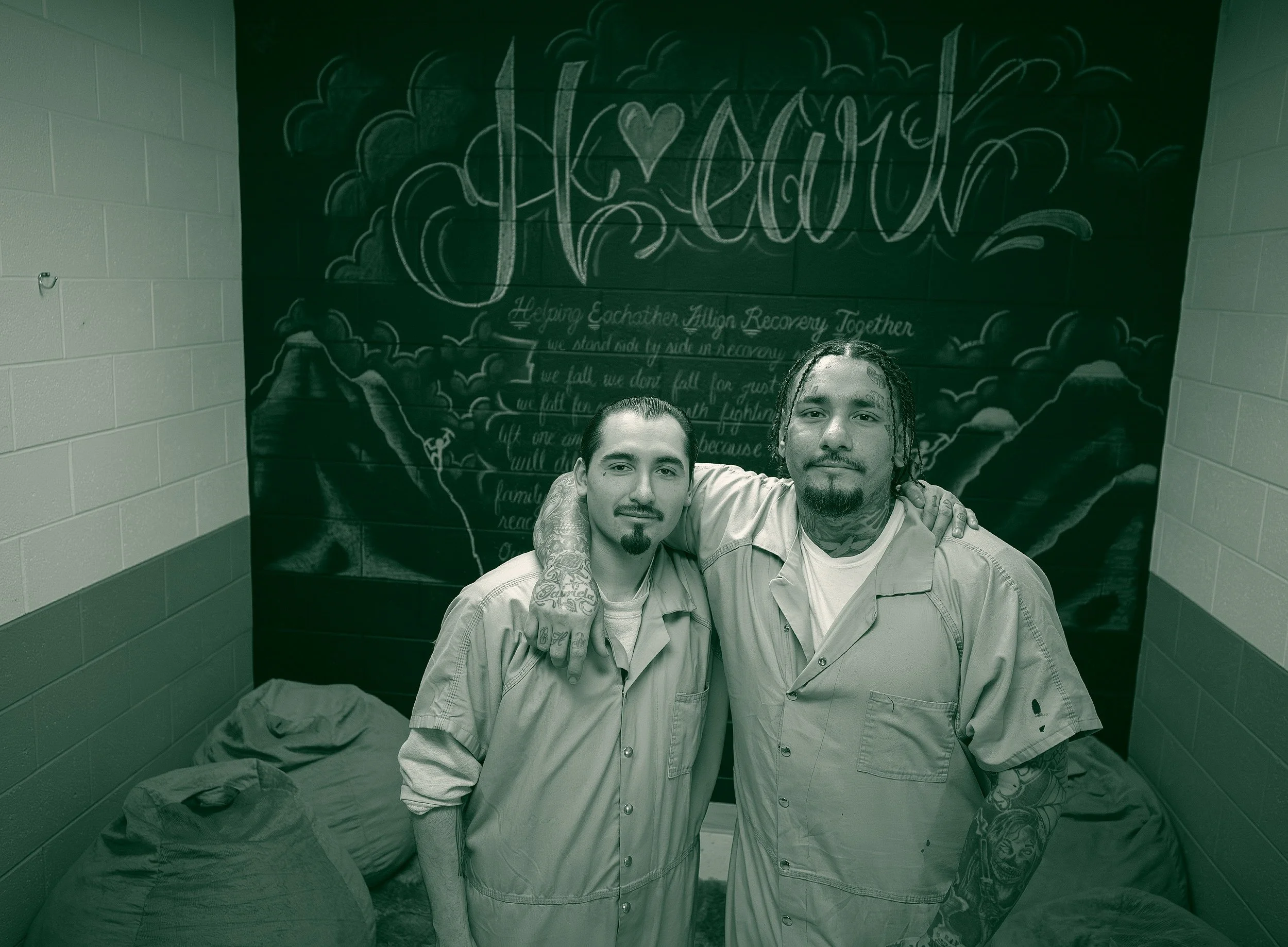
HEART: Treatment That Follows People Into Custody
37 people in a northwest Virginia regional jail keep their opioid medication from the day they are booked, with counseling, peer support and groups inside.
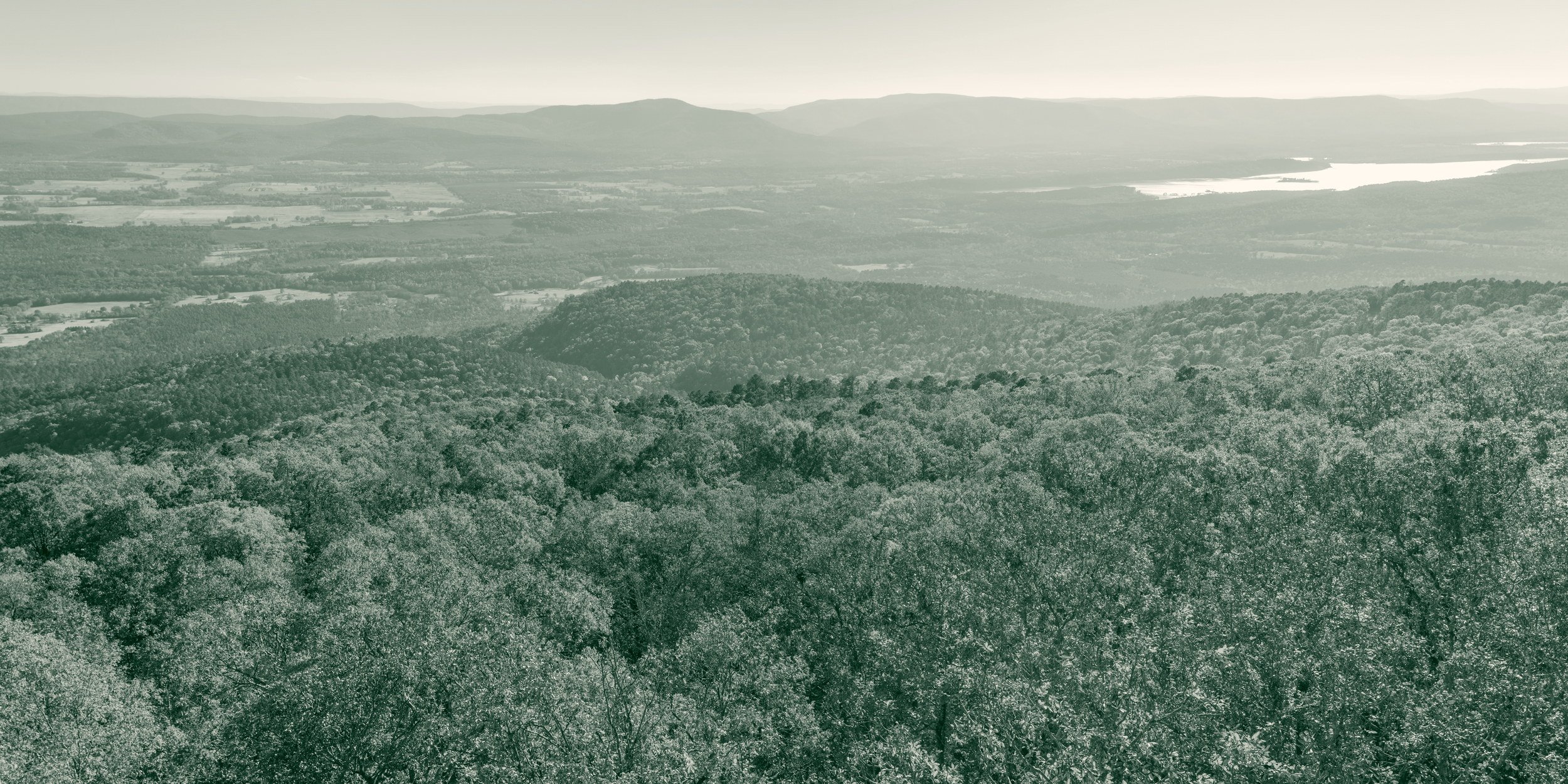
Converting a State Building into Rural Treatment Beds
A vacant state office building near Booneville, AR reopened as a licensed 24-bed residential treatment center on a one-time $738,903 settlement award.

Family Recovery Housing Preventing Foster Care Placement
Six townhomes in Lakewood, CO house whole families for a year of treatment and family therapy, keeping children out of foster care while a parent recovers.
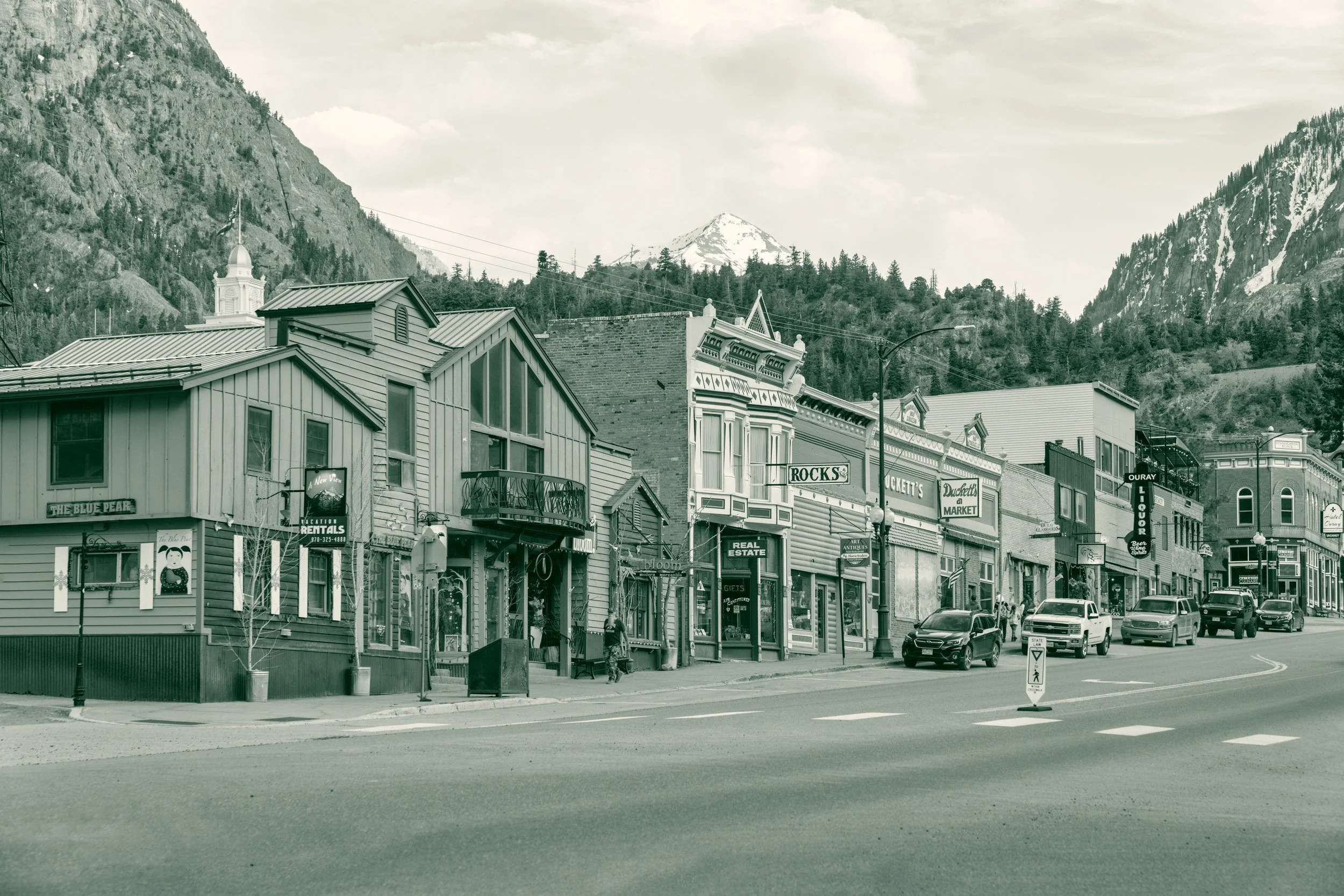
How Six Rural Counties Decide What to Fund
64 community interviews told six rural Colorado counties what to fund, and the resulting plan won a $1.2 million award on two part-time facilitator salaries.

Centralized Tracking for Multi-Department Settlement Spending
Santa Clara County, CA puts every internal request for its $89M in opioid settlement funds through a grant-style review, tracked in one shared system.

Gap Analysis and Competitive Bids for Settlement Funds
Sacramento County, CA asked residents where to spend, ran its own gap analysis, and put $1.86M in opioid settlement funds out to bid across ten programs.
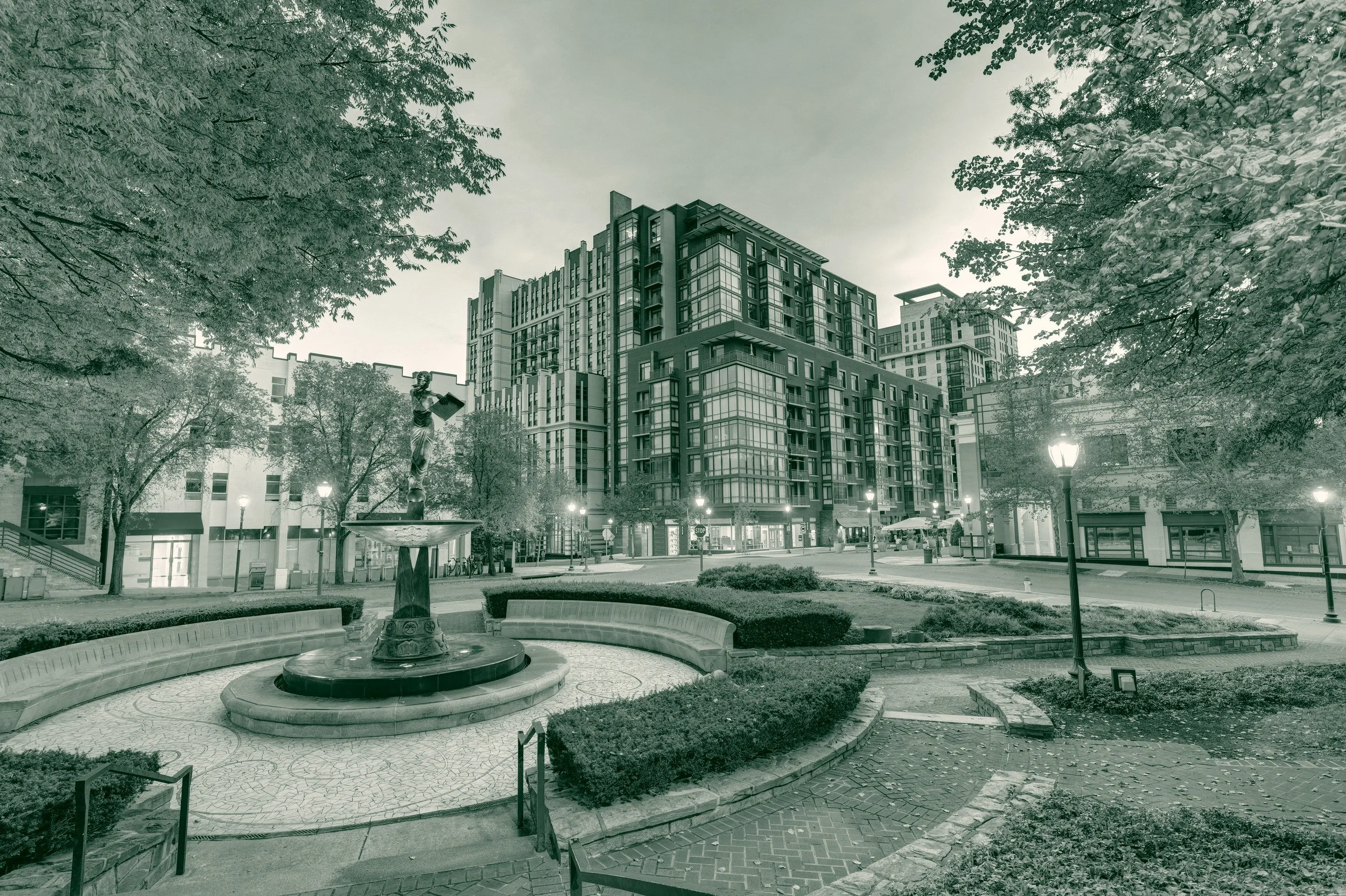
Community-Guided Opioid Settlement Administration
Montgomery County, MD built settlement spending to last: a dedicated division, three competitive grant cycles, and funding substantiated for at least 18 years.

Free Trauma Care Aimed at Veteran Substance Use
Sojourn Counseling uses Alabama settlement funds to treat combat and childhood trauma in veterans with EMDR and neurofeedback, at no cost to them.
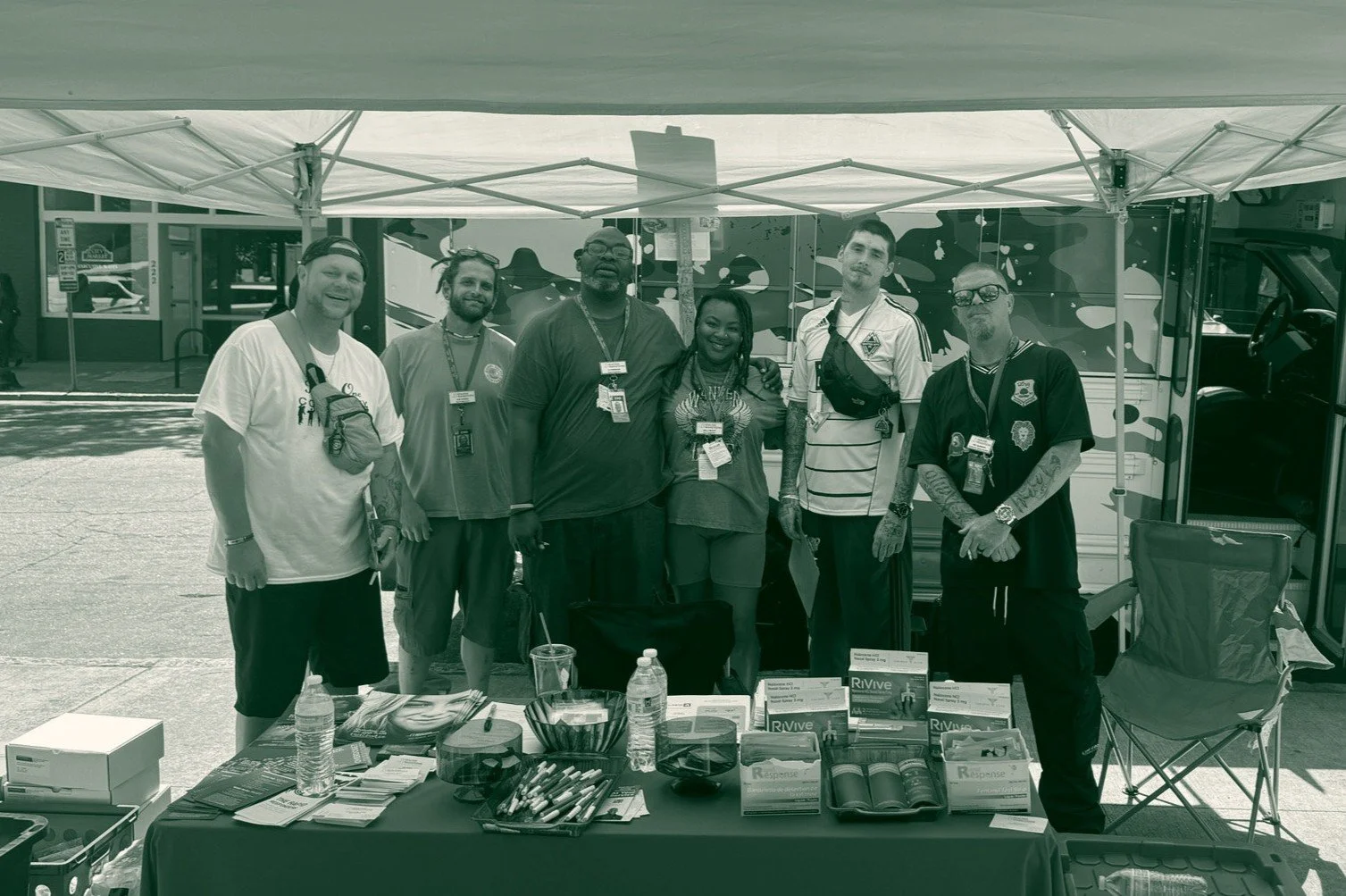
Rapid Responders & Community Programs Continuum
In Wake County, NC, Healing Transitions sends peer and EMS responders to overdose survivors within 24 to 72 hours, when re-engagement is most likely.
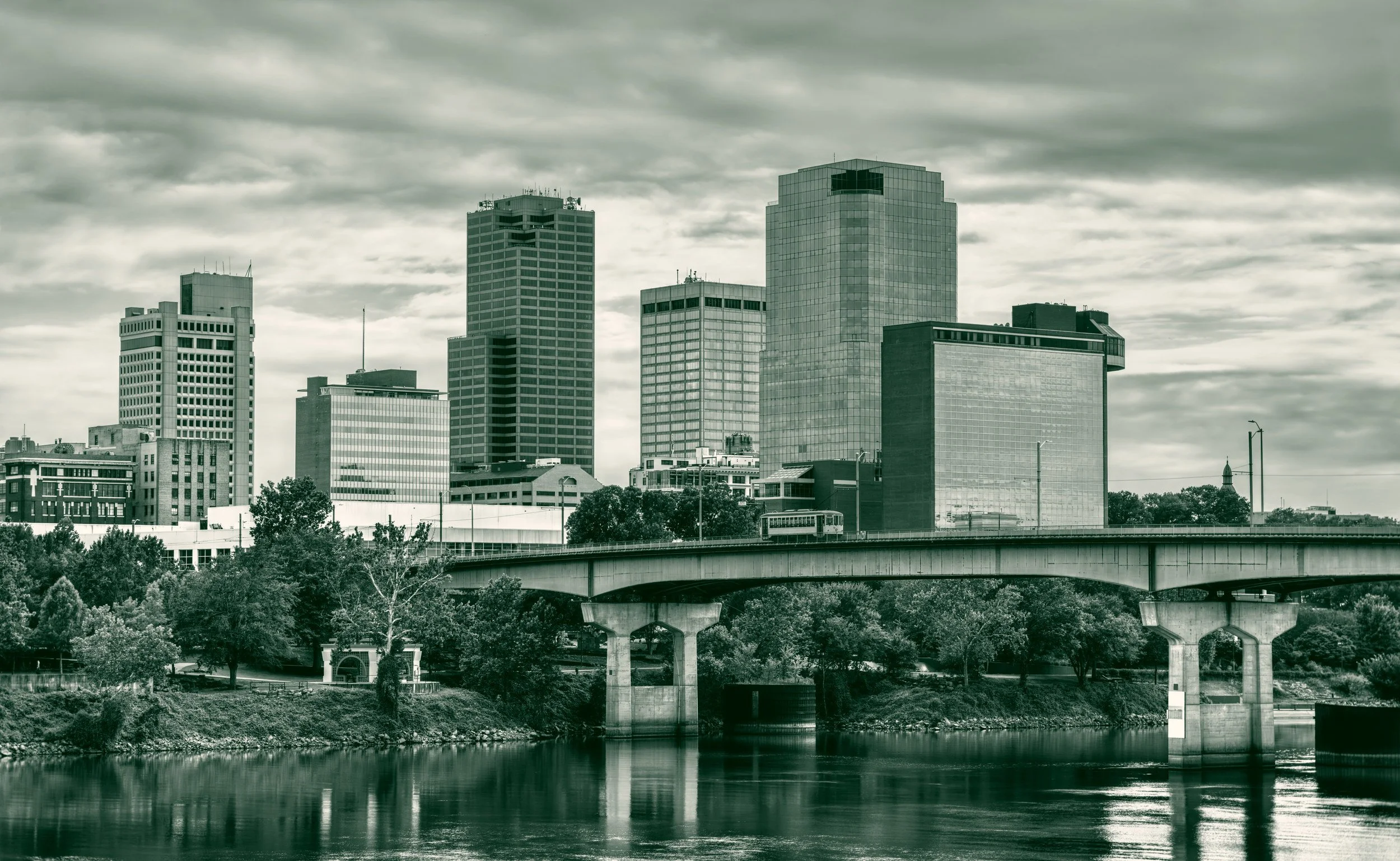
Youth Success Center for Prevention and Family Stabilization
Carter's Crew reached 5,000+ Arkansas youth in 2024 and is converting a 27,000-square-foot former school into a one-stop prevention and recovery hub for families.
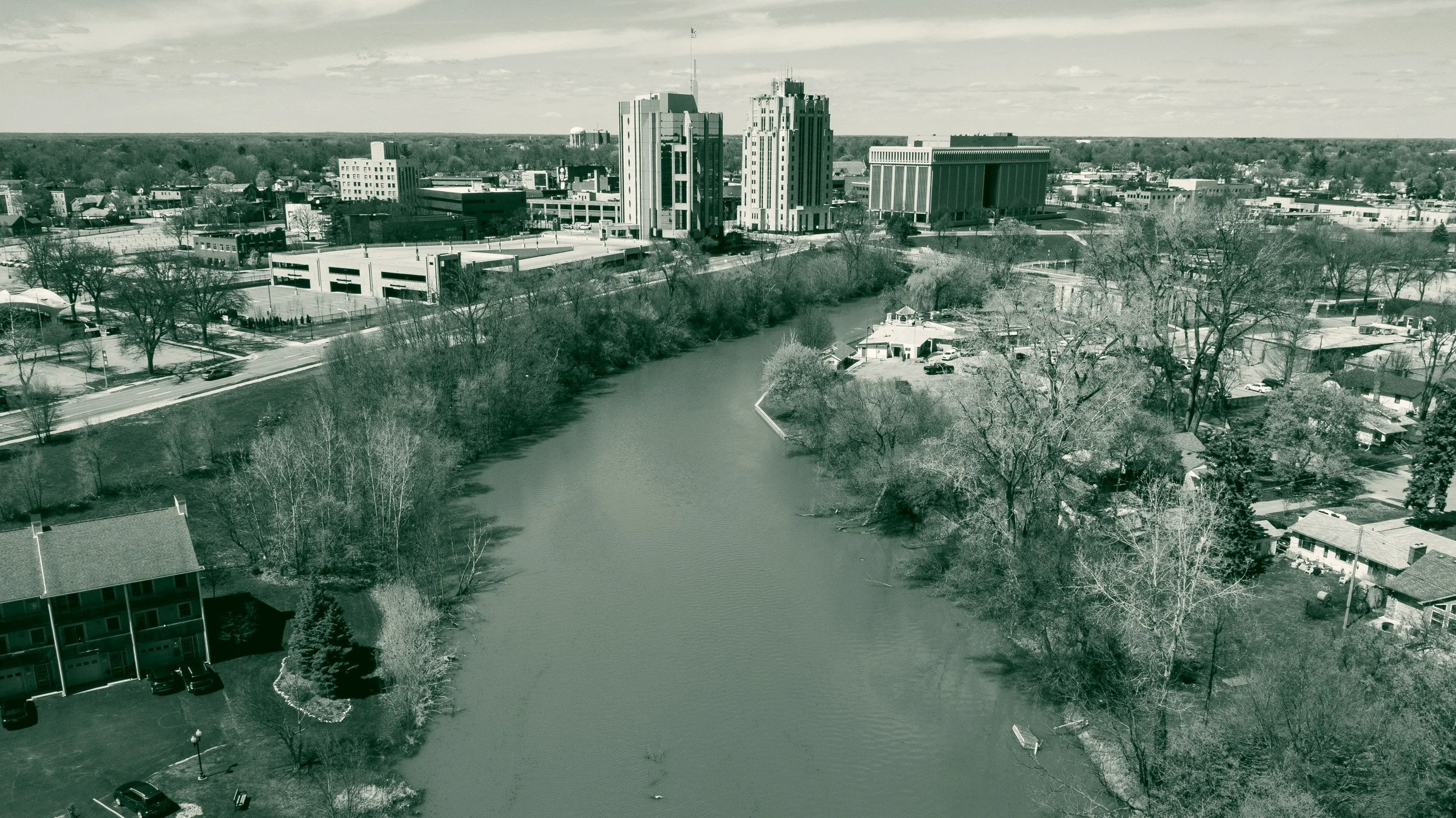
Safe and Healthy Macomb: Countywide Opioid Response
Macomb County, MI cut six-month recidivism 12% for jail MAT participants by steering $19.3M in opioid settlement funds to gaps across a countywide portfolio.
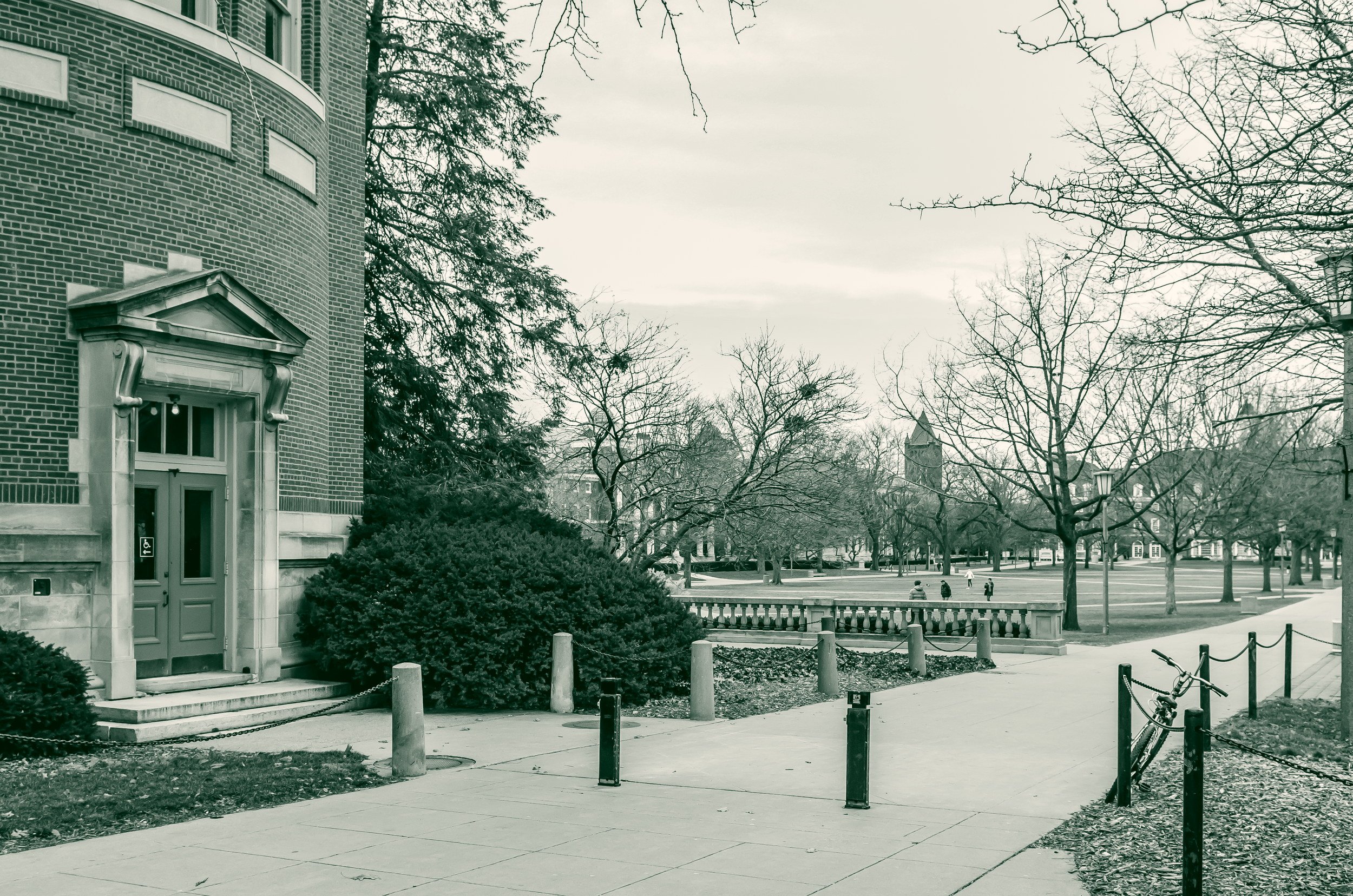
Pathways to Progress: Residential Recovery Expansion
In Champaign-Urbana, IL, a single renovation expanded entry-level recovery capacity 40% and reserved 10 of 26 beds for opioid-impacted adults, on a $580,000 settlement grant.