Converting a State Building into Rural Treatment Beds
A Rural Residential Model for Treatment Access
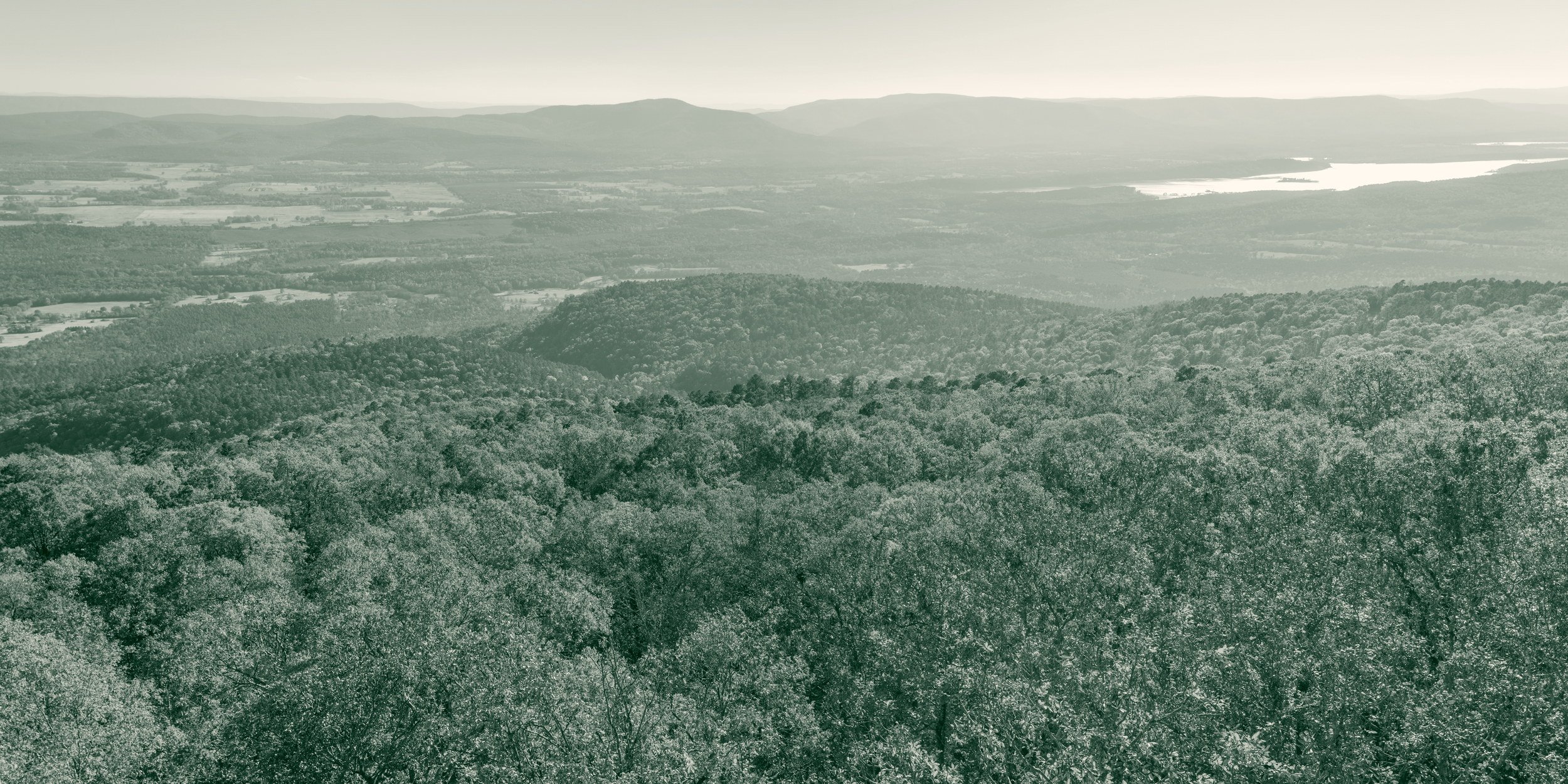
Horizon Renewal Center used a one-time opioid settlement award to convert a former government building into a licensed 24-bed residential substance use treatment center next door to an existing outpatient clinic, providing rural River Valley residents with a higher standard of residential care closer to home.
The Challenge They Were Addressing
Before Horizon opened, the rural River Valley area had limited residential treatment capacity, and people who needed residential-level care often had to travel far from home to find it. In a largely rural stretch of western Arkansas, that distance created a real barrier for people already facing transportation challenges, homelessness, chronic illness, and co-occurring mental health needs.
Access was especially thin for people who were uninsured or underinsured. The team also saw a need to raise the standard of residential care available close to home, so that people could stay connected to family and community while in treatment.
Western Arkansas Counseling and Guidance Center, a community mental health center that had provided substance use services in Arkansas since 1972, already operated an outpatient clinic in Logan County. What the community lacked was a residential option next to that clinic. Horizon was built to fill that gap: a licensed residential treatment center for rural people with substance use disorders and co-occurring mental health and medical needs.
What They Built
Horizon is a licensed residential treatment center placed directly next to the organization's existing outpatient clinic in Logan County. The team purchased a former Department of Human Services building and renovated it into a residential facility, so a new residential level of care now sits alongside outpatient services already serving the county. Most people stay 30 to 45 days.
Care starts before someone arrives. People call for a prescreening, where trained staff check eligibility and confirm that a caller is medically and psychiatrically stable enough for residential care rather than acute hospitalization or medical detox. Once a bed date and admission date are set, the person completes consent and intake paperwork. Staff are asked to treat that first day as a human conversation.
After admission, each person receives a biopsychosocial assessment, a substance use assessment, an ASAM level-of-care placement, and a mental health evaluation, which together shape an individualized treatment plan. Day-to-day support includes counseling, case management, peer support, coordination of primary care and psychiatric care, and drug monitoring. Because the team treats co-occurring medical and mental health conditions on site, people can address substance use, mental health, and physical health needs in one place. The program includes experiential activities such as equine therapy at a nearby farm, outdoor groups, and, when appropriate, hiking on Mount Magazine. These activities give people a chance to build healthy routines and try experiences many have not had before, alongside the clinical work.
Key Program Components
Who You Need at the Table
What made a willing partner essential vs. optional?
The partners a project truly needs are the ones without whom it cannot open or stay open. The opioid settlement award made the building possible, and local government sign-off from the mayor and the county judge was required to receive that award. On the operations side, state and federal contracts through DHS and DCFS, federal probation and parole, drug court and mental health court referrals, and insurer and Medicaid billing keep the doors open once construction is done.
Other partners expand reach and strengthen the program without being required on day one. A local hospital, churches, community leaders, and community coalitions all help build referral pathways and community support over time. The distinguishing feature of a required partner here is simple: the center could not have been funded, licensed, or sustained without them.
Budget Breakdown
What is the minimum viable budget to replicate this?
The one-time award covered the building and the startup capital. A team replicating this would need sufficient capital to purchase or renovate a suitable property that meets state licensure standards, which include easy-to-overlook items such as fire suppression, water infrastructure, a commercial kitchen, and the required number of showers, sinks, and toilets. Just as important, a replicating team needs operating reserves to cover staffing and operations for the first several months before billing revenue catches up.
What Worked and Why
Specific decisions or design features that drove success
Renovating a building right next to the organization's existing outpatient clinic was the decision that shaped everything else. It placed a new residential level of care beside services that already served the county, which made referrals, coordination, and staffing easier from the start and connected people to a continuum of care in one location.
Using the capital award for one-time startup kept the model sustainable. The settlement funds covered the building and renovation costs, and the program was planned from the beginning to sustain treatment through billing and contracts. That choice meant the center was not built to depend on a grant that would eventually end.
Building referral pipelines early gave the program a steady flow of admissions. Drug court, mental health court, probation and parole, federal courts, DHS and DCFS, hospitals, and other providers all became referral sources as they saw the program's results, which in turn kept the center full and financially stable.
A mission-oriented staff culture set the tone for care. Leadership looked for people who were there for the mission, not just the job, and asked staff to treat people with respect and dignity from the first phone call. The program's leadership credits that culture and staff compassion for the program's completion rate.
Integrated supports and planning for operating costs rounded out what worked. Medical, psychiatric, therapy, peer, case management, and experiential supports were built in together, and the team planned for operating costs before revenue arrived so that the center could run at full capacity while it built its brand and referral base.
Early outcomes and data
75% successful completion rate (program-reported): three of every four people who enter the program complete it successfully.
Reached full capacity within the first 4 to 5 months after launch.
About 10 admissions per month in the early months while the referral base was still building.
24 residential beds in operation (14 men, 10 women) after one planned bedroom was converted to office space.
A second modular building has been purchased for future expansion of bed capacity.
Lessons Learned
Put people before the building. The team's guiding phrase was people first, building second. When someone lacked insurance or a way to pay, staff worked to obtain reimbursement or cover the cost.
Plan for operating costs before revenue arrives. There was a period of several months during which the building was fully staffed and operating while the referral base was still growing. Planning for those operating costs kept the program stable through the ramp-up.
Use capital awards for one-time costs. Directing the settlement award to the building and startup, and sustaining treatment through billing and contracts, kept the model from depending on funding that would end.
Expect construction and licensure to take longer than planned. Waiting on parts for the rooms and completing the fire suppression system pushed the opening back. A realistic timeline accounts for delays, as in any other construction project.
Build the referral base as deliberately as the building. Knowing where referrals come from and building those relationships were as important as the renovation, and they are what kept the center full once it opened.