Opioid Settlement Case Studies: Real Programs, Budgets & Outcomes
This library documents how communities across the country are using opioid settlement and abatement funds to expand prevention, treatment, recovery, and overdose prevention services. Each case study profiles a single program in a single jurisdiction and details its funding, partners, design, and outcomes, from same-day buprenorphine care in Burlington, Vermont, to a rural walk-in recovery center in Walker County, Alabama.
Use the filters to sort by settlement category, service type, population served, community type, state, and budget range, then open any profile to review the budget, results, and lessons learned. Each model is presented as a reference point rather than a prescription, so you can adapt the elements that fit your community's needs and capacity.
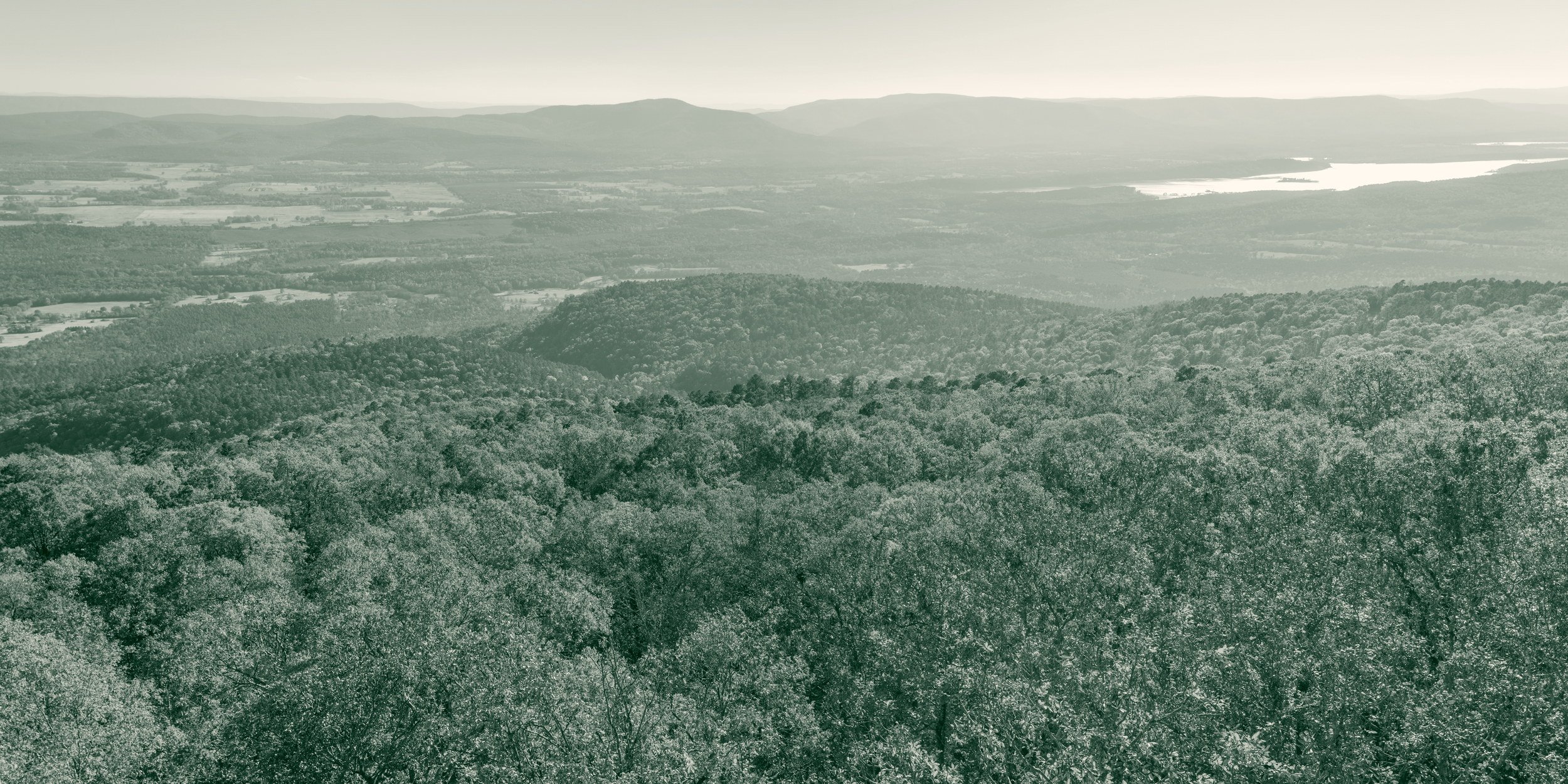
Converting a State Building into Rural Treatment Beds
A vacant state office building near Booneville, AR reopened as a licensed 24-bed residential treatment center on a one-time $738,903 settlement award.
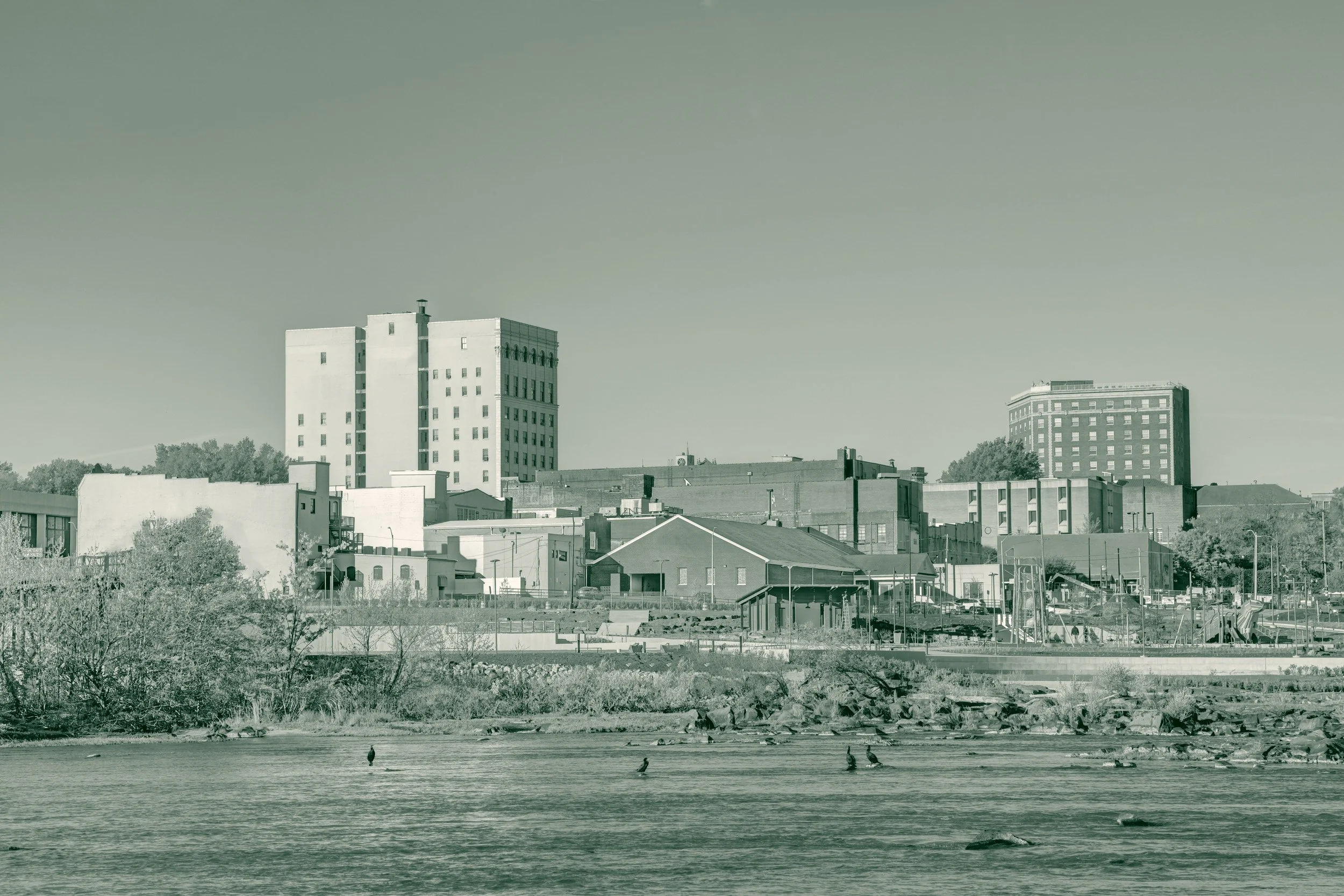
Rural Treatment Court Built on Existing County Capacity
Danville and Pittsylvania County, VA run a five-phase treatment court on $209,000 a year, using the court, probation and clinic capacity they already had.

Centralized Tracking for Multi-Department Settlement Spending
Santa Clara County, CA puts every internal request for its $89M in opioid settlement funds through a grant-style review, tracked in one shared system.
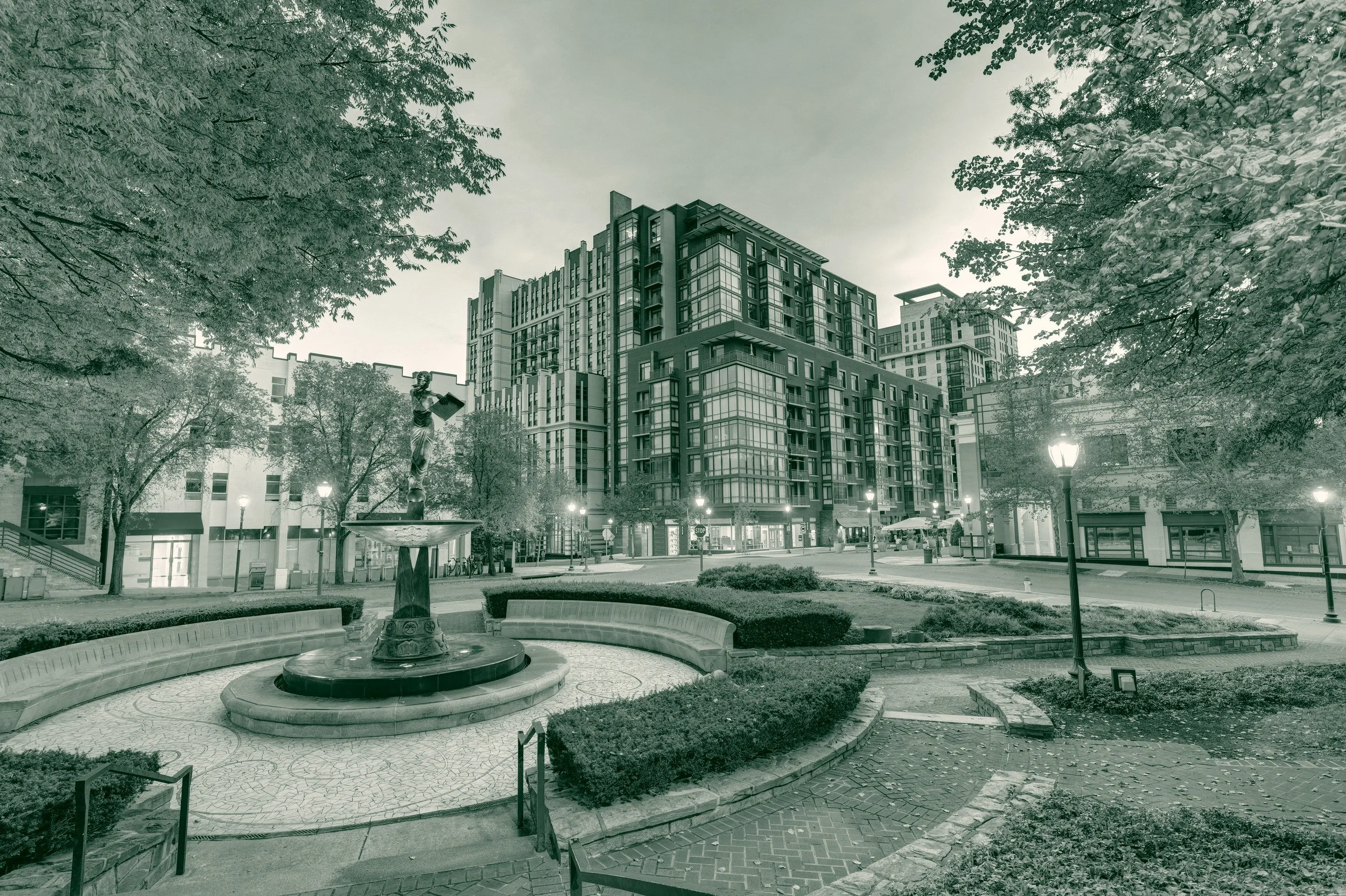
Community-Guided Opioid Settlement Administration
Montgomery County, MD built settlement spending to last: a dedicated division, three competitive grant cycles, and funding substantiated for at least 18 years.
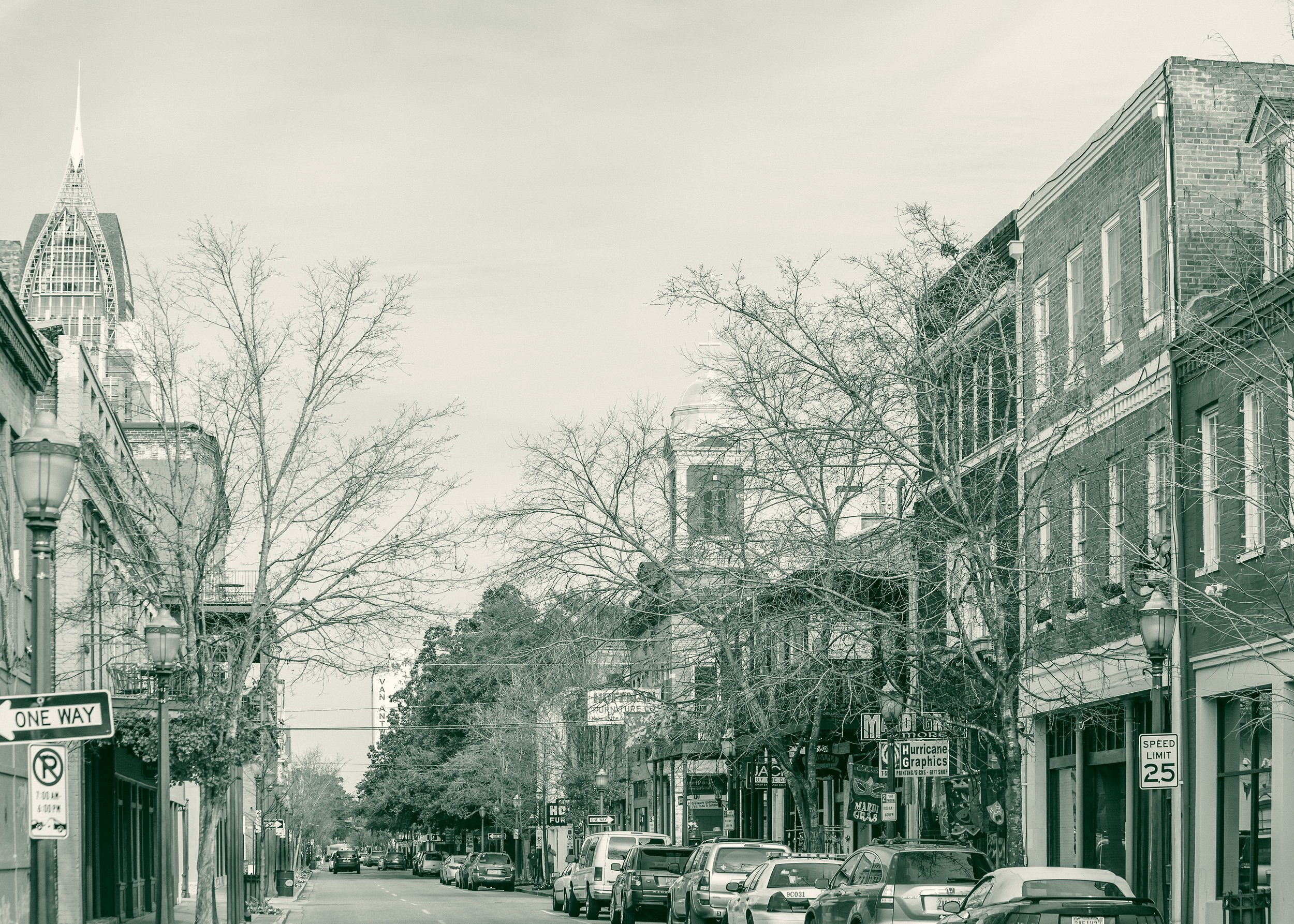
Continuum of Care Recovery for Justice-Involved Adults
The Shoulder runs an Alabama continuum that carries justice-involved adults from residential treatment through recovery, housing, and employment.
Pathways to Progress: Residential Recovery Expansion
In Champaign-Urbana, IL, a single renovation expanded entry-level recovery capacity 40% and reserved 10 of 26 beds for opioid-impacted adults, on a $580,000 settlement grant.