About Opioid Settlement Works
About This Project
Local experience, made useful
If your community is receiving opioid settlement funds, you are facing hard, practical questions. Which approaches actually work? Who do you need at the table? What does it cost? And does any of this translate to a community your size?
This project answers those questions using the experience of communities that have already done the work. Each profile documents a real local approach to prevention, treatment, and recovery support, written so you can decide whether it fits your context and take concrete steps toward replication.
The library is organized around the questions a county or city leader actually asks: who you need at the table, what it costs, what worked, what did not, and how to get started.
We select each featured community based on how it uses opioid settlement funds and its willingness to share specific details about implementation. We prioritize programs that are operational and can speak to real timelines, partnerships, and challenges.
We develop each profile through structured interviews with program staff, partners, and, where possible, the local leaders involved in funding decisions. Interviews focus on program design, budget, staffing, timelines, and lessons learned.
Before publication, we review each profile with the featured community to confirm accuracy. That way the information reflects how the program actually operates and can be used by others looking to replicate or adapt it.
Step 1
Interview
We conduct virtual interviews with up to five communities per state, along with state-level administrators, to understand how each program operates in practice.
Step 2
Document
We capture each community's approach using a standardized template covering the problem, the model, the partners, the budget, and lessons learned, with an eye toward programs others can adapt.
Step 3
Share
We publish every profile and make it searchable by state, service type, community size, and population served, so you can quickly find models that might work in your community.
Funded By
Opioid Response Network
This project is supported by the Opioid Response Network (ORN), a national coalition providing free training and education to address opioid, stimulant, and all substance use disorders. Led by the American Academy of Addiction Psychiatry in collaboration with SAMHSA, ORN works with government agencies, community organizations, and individual practitioners across all 50 states and territories.
ORN operates from a core belief that substance use disorders are treatable illnesses and that communities should have access to locally relevant, evidence-based support at no cost. Opioid Settlement Works was built in that same spirit: to help communities put their settlement resources to work with confidence.
Built By
Rulo Strategies
Rulo Strategies is a woman-owned firm that works with states, counties, and nonprofits on criminal justice and behavioral health programs. Since 2020, the firm has partnered with organizations in 32 states on program design, implementation, and evaluation.
The name is inspired by the Reuleaux triangle, the shape formed where three overlapping circles intersect. It reflects the intersection of ideas and collaboration across systems.
Meet the Rulo Team
-
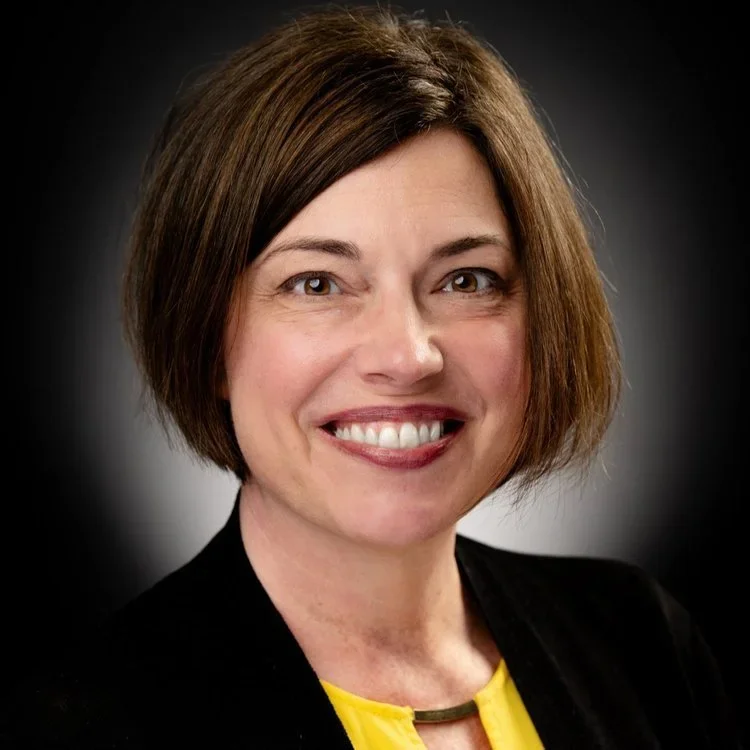
Tara Kunkel, MSW
Executive Director
-
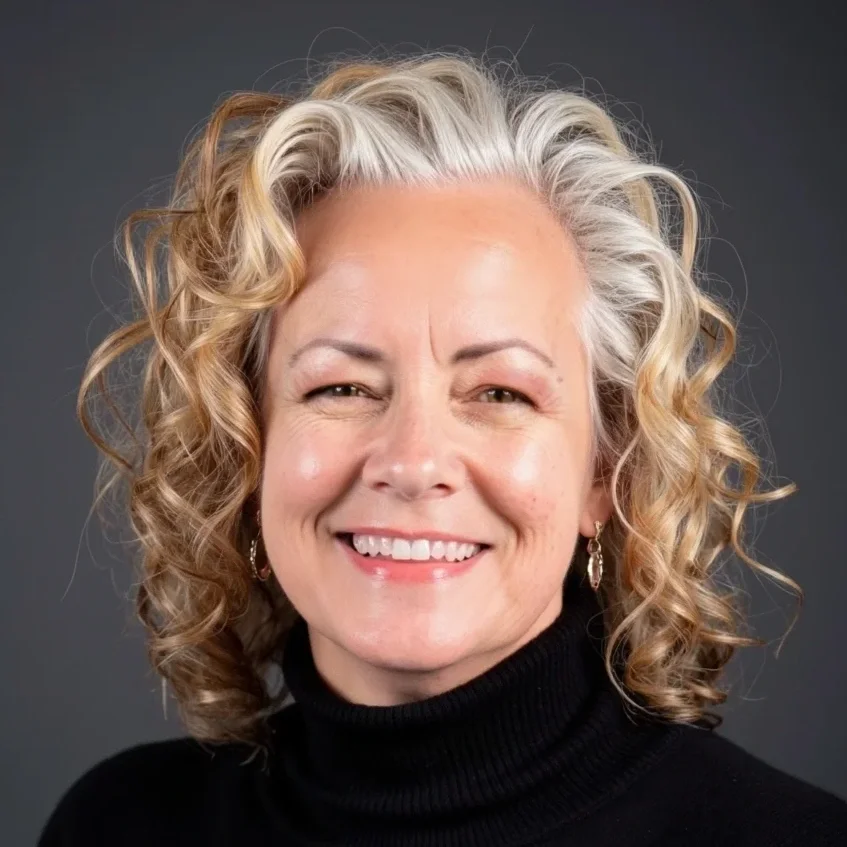
Kristina Bryant, MBA
Senior Director
-
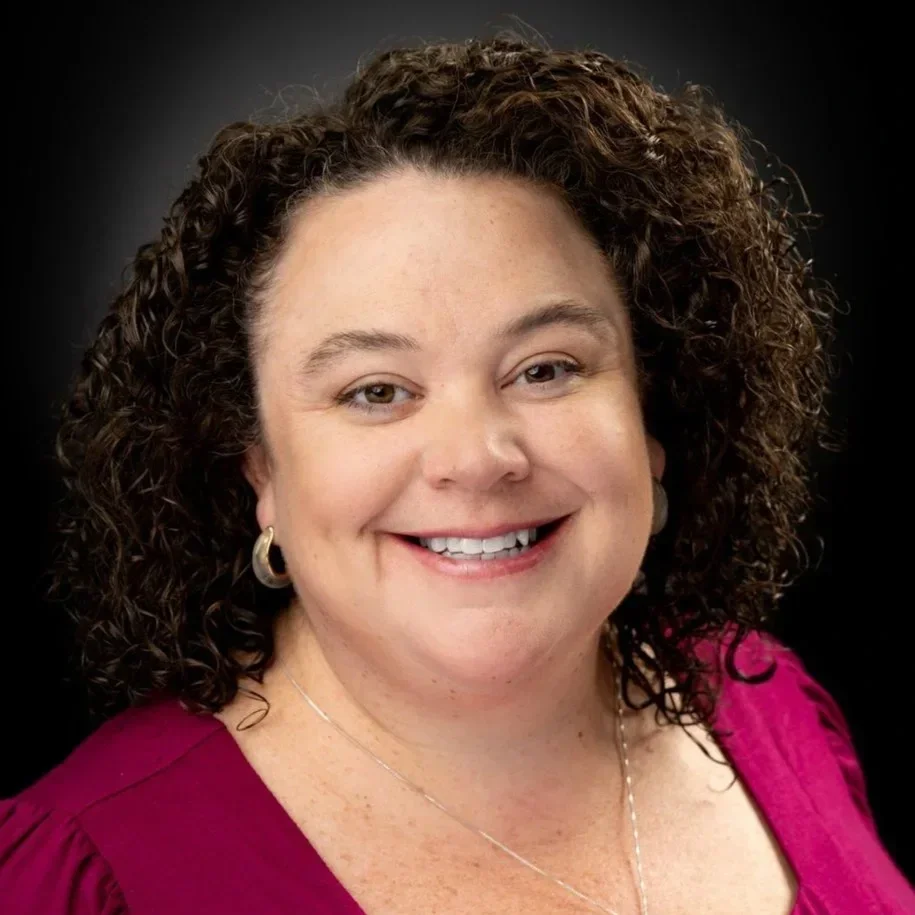
Rebecca Rose, MPA
Senior Director
Related Initiative
Justice & Behavioral Health Knowledge Exchange
The Justice Behavioral Health (JBH) Knowledge Exchange is a Rulo Strategies initiative focused on the intersection of criminal justice and behavioral health. In partnership with the U.S. Department of Justice’s Bureau of Justice Assistance, the JBH Knowledge Exchange supports communities in strengthening their response to substance use and public safety challenges through peer learning, training, and no-cost technical assistance.
While Opioid Settlement Works focuses specifically on how communities are deploying settlement funds, the JBH Knowledge Exchange addresses the broader landscape of justice-involved treatment, reentry support, and cross-system coordination. The two resources are designed to be used together.
Get in touch
Questions about the project, corrections to a case study, or interest in being profiled? We want to hear from you.