Opioid Settlement Case Studies: Real Programs, Budgets & Outcomes
This library documents how communities across the country are using opioid settlement and abatement funds to expand prevention, treatment, recovery, and overdose prevention services. Each case study profiles a single program in a single jurisdiction and details its funding, partners, design, and outcomes, from same-day buprenorphine care in Burlington, Vermont, to a rural walk-in recovery center in Walker County, Alabama.
Use the filters to sort by settlement category, service type, population served, community type, state, and budget range, then open any profile to review the budget, results, and lessons learned. Each model is presented as a reference point rather than a prescription, so you can adapt the elements that fit your community's needs and capacity.

Prenatal Care and Addiction Medicine on One Team
10 to 12 pregnant clients at a time get prenatal care, addiction medicine and peer support from one team in Reno, Nevada, on $445K a year in settlement funds.

Walk-In Recovery Centers Across Seven Rural Counties
More than 6,000 people walked into a Lee County, KY recovery center since 2022, and the model now runs across seven rural counties on $865K in settlement awards.
Student-Led Prevention on a Year-Round Rural Calendar
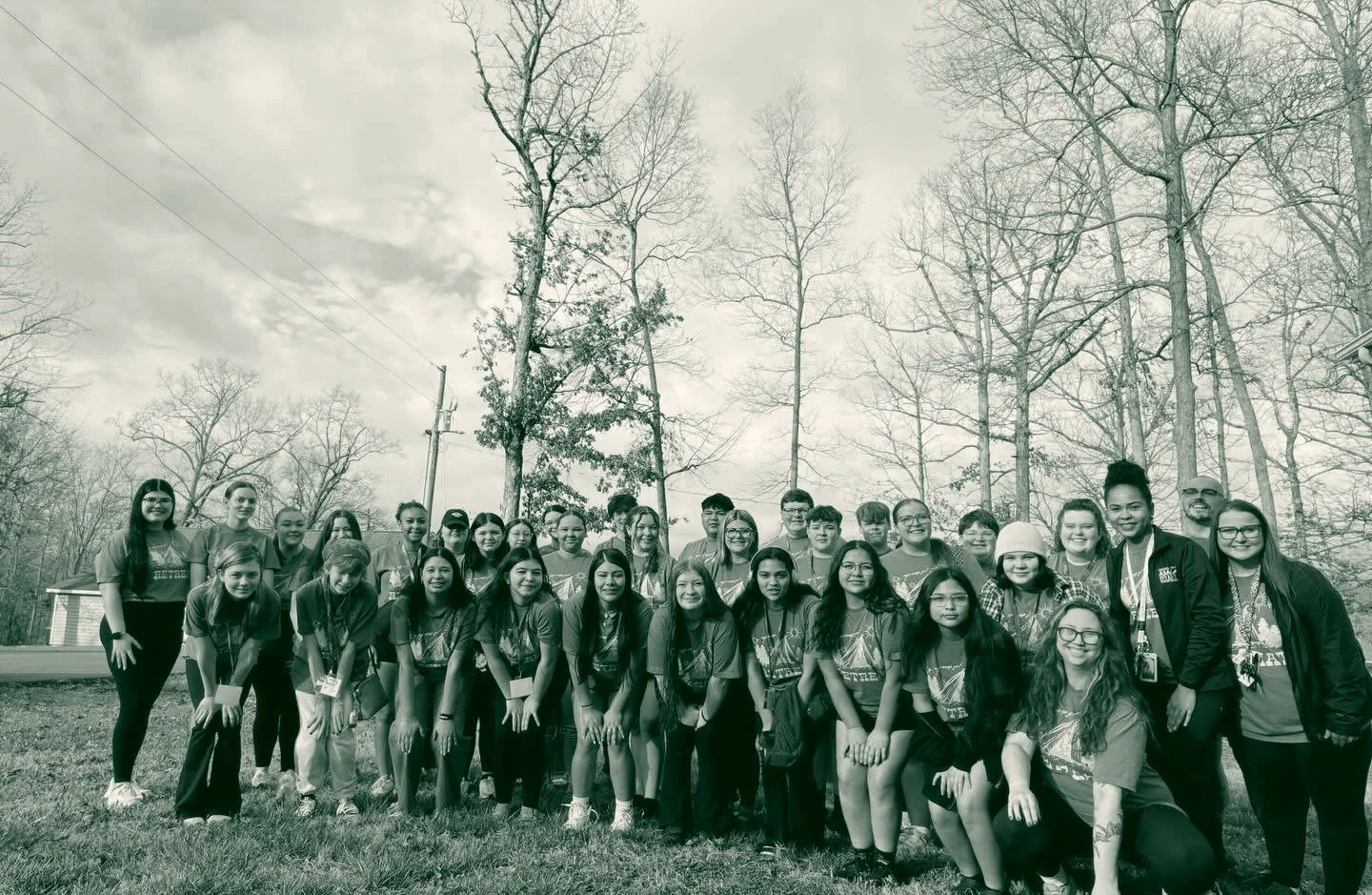
About 35 students in rural Graves County, KY plan and run a 12-month prevention calendar reaching four school systems, on a $90,200 state settlement award.
HEART: Treatment That Follows People Into Custody
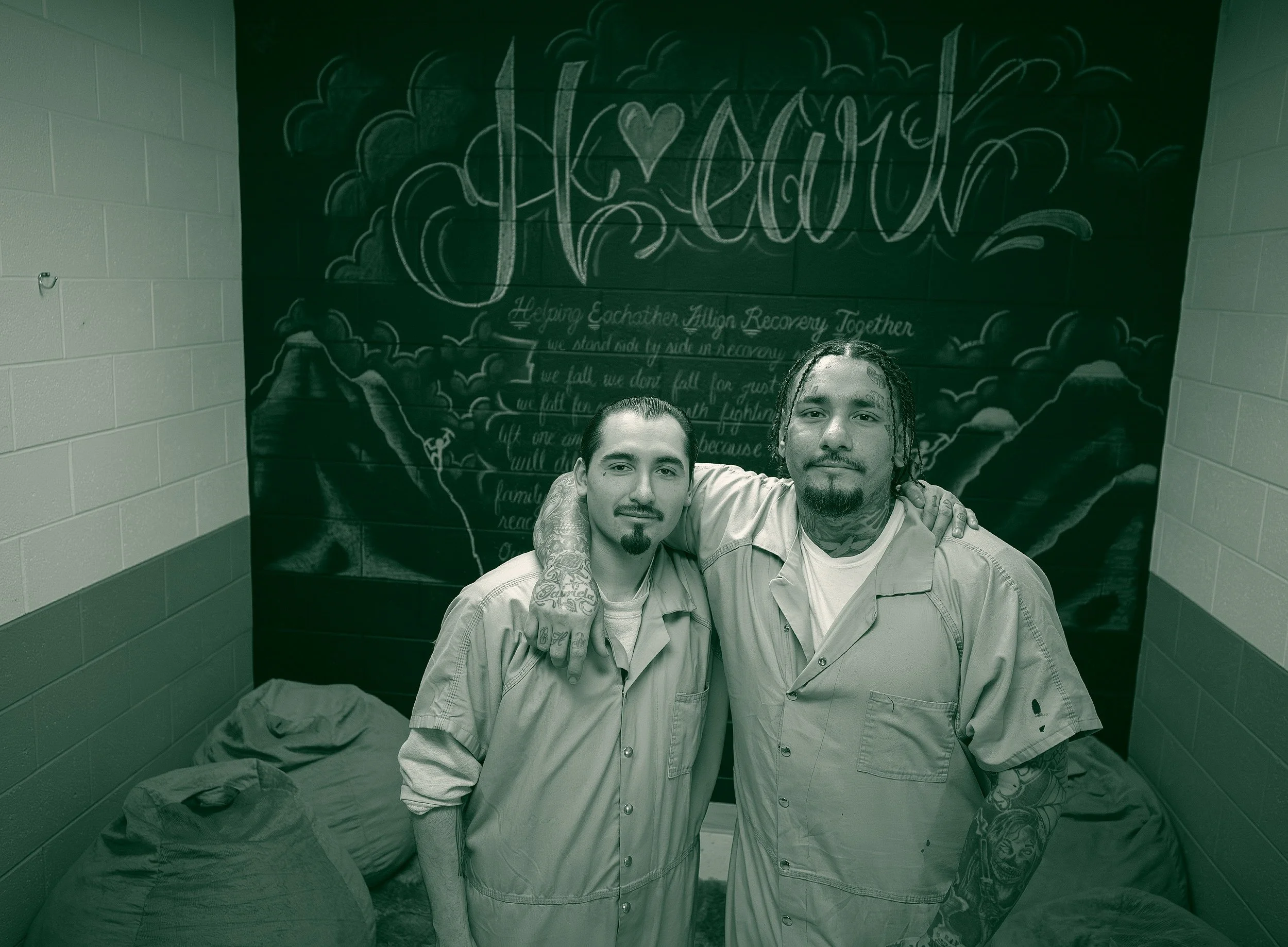
37 people in a northwest Virginia regional jail keep their opioid medication from the day they are booked, with counseling, peer support and groups inside.

Paid Therapy for a Rural County's Uninsured Workers
144 residents of Colorado's Gunnison County got 10 paid therapy sessions in 2025, each choosing their own therapist from a network of 57 local clinicians.

19 Local Governments Pooling Settlement Funds
Three Colorado counties pool settlement dollars from 19 local governments under one council, backed by the state's first fiscal-agency relationship policy.

EMPOWERED: Care From Pregnancy to Two Years Postpartum
117 women in Las Vegas got counseling, peer support, and care coordination through pregnancy and two years postpartum, not six weeks, on $594K in settlement funds.

Practical Needs First at a Peer-Run Recovery Hub
622 people reached detox, treatment and sober living in one year, sent by peers at a Jonesboro, AR drop-in center built on a $250,000 settlement award.
Converting a State Building into Rural Treatment Beds
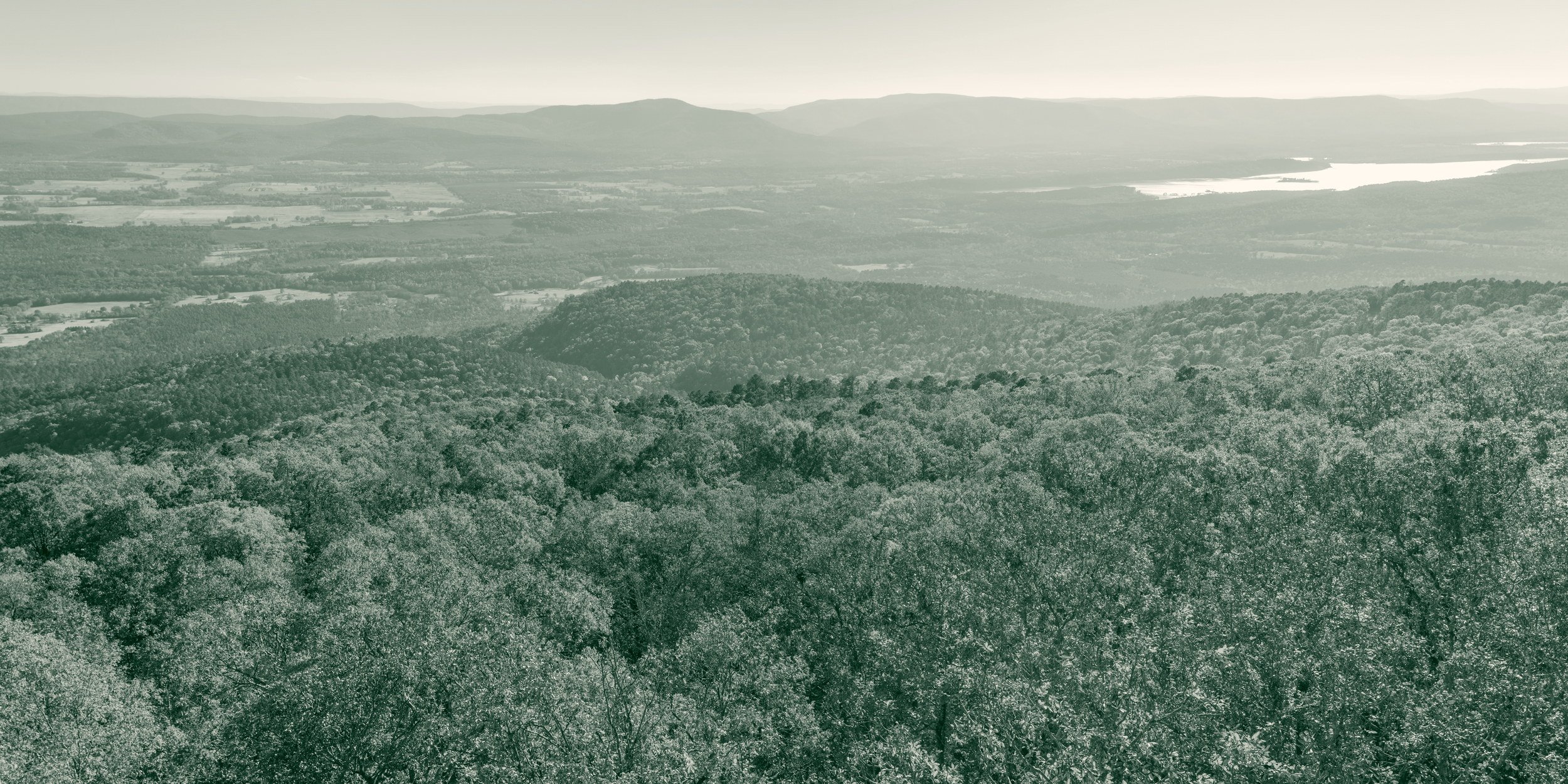
A vacant state office building near Booneville, AR reopened as a licensed 24-bed residential treatment center on a one-time $738,903 settlement award.

Family Recovery Housing Preventing Foster Care Placement
Six townhomes in Lakewood, CO house whole families for a year of treatment and family therapy, keeping children out of foster care while a parent recovers.
How Six Rural Counties Decide What to Fund
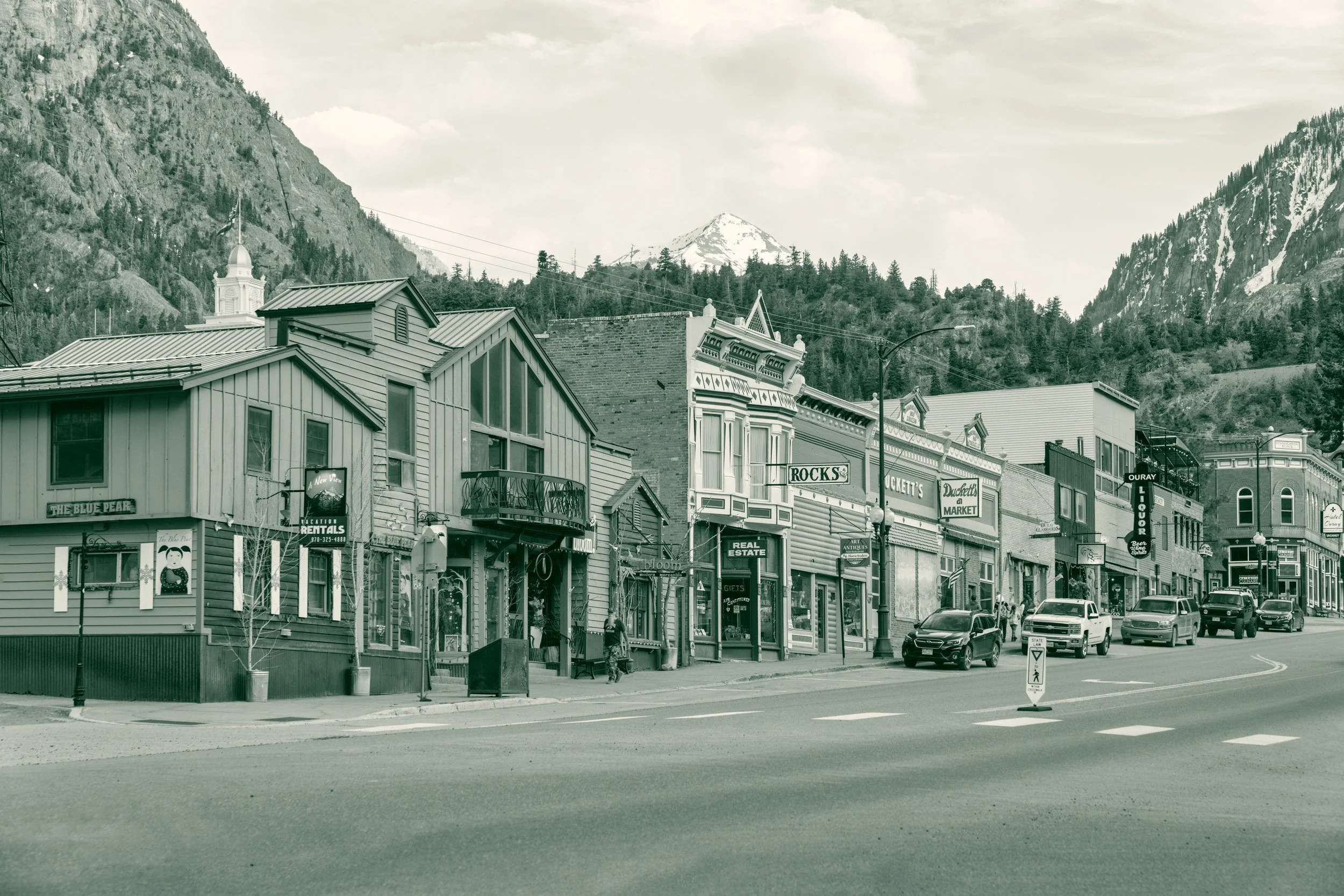
64 community interviews told six rural Colorado counties what to fund, and the resulting plan won a $1.2 million award on two part-time facilitator salaries.

Recovery-Friendly Workplace Certification for Employers
124 employers across 25 Colorado counties signed on to a recovery-friendly certification, built on a $500,000 opioid settlement infrastructure award.

Low-Barrier Therapy Scholarships for Rural Recovery
231 people in four rural Colorado counties applied for therapy scholarships that pay $125 a session and ask for no diagnosis and no proof of a problem.

Training Community Members for Frontline Behavioral Health Roles
Five cohorts drew trainees from 13 Kansas counties, teaching community health workers the mental health and addiction skills other courses leave out.
Rural Treatment Court Built on Existing County Capacity
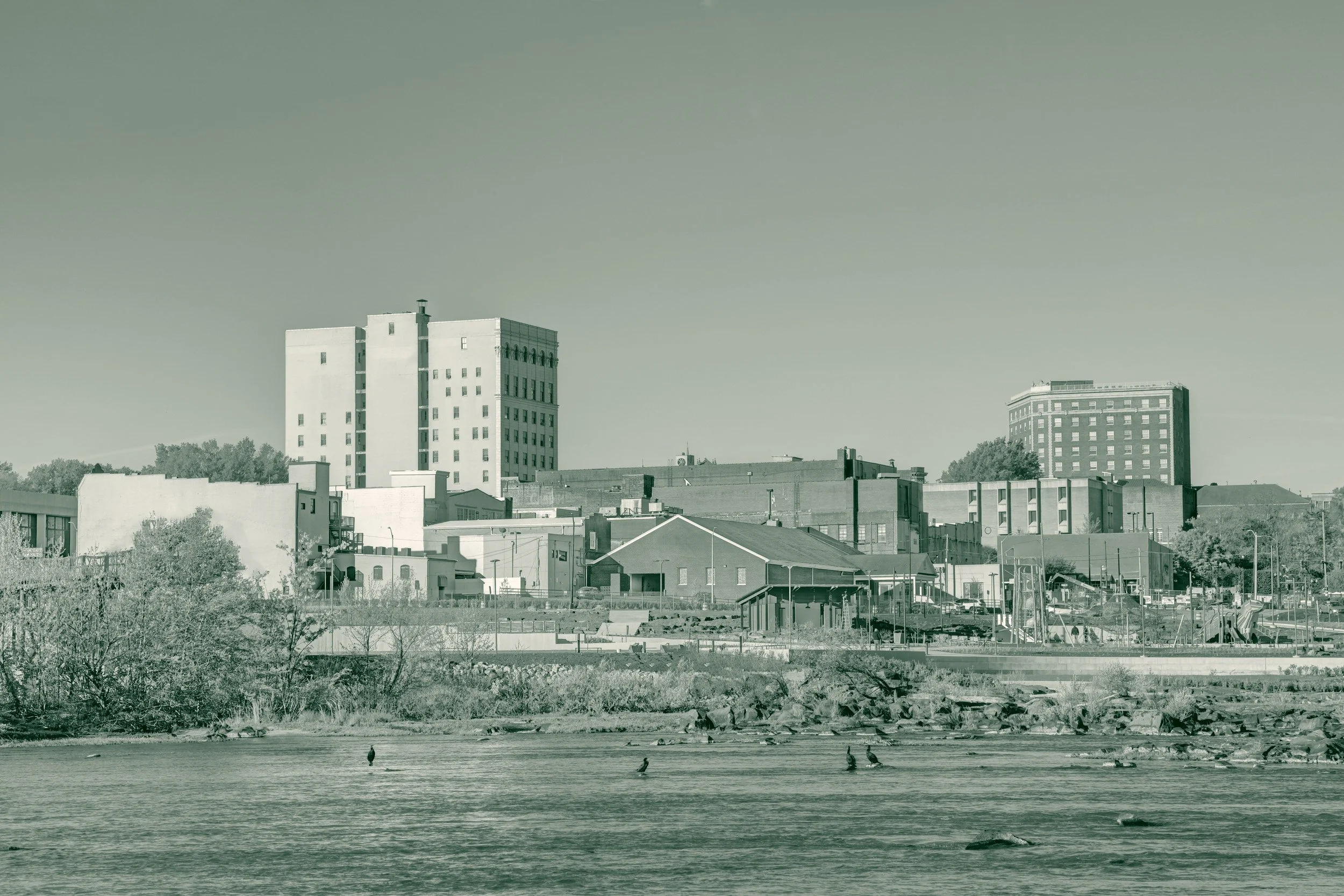
Danville and Pittsylvania County, VA run a five-phase treatment court on $209,000 a year, using the court, probation and clinic capacity they already had.
Peer Support Inside the Public Defender's Office
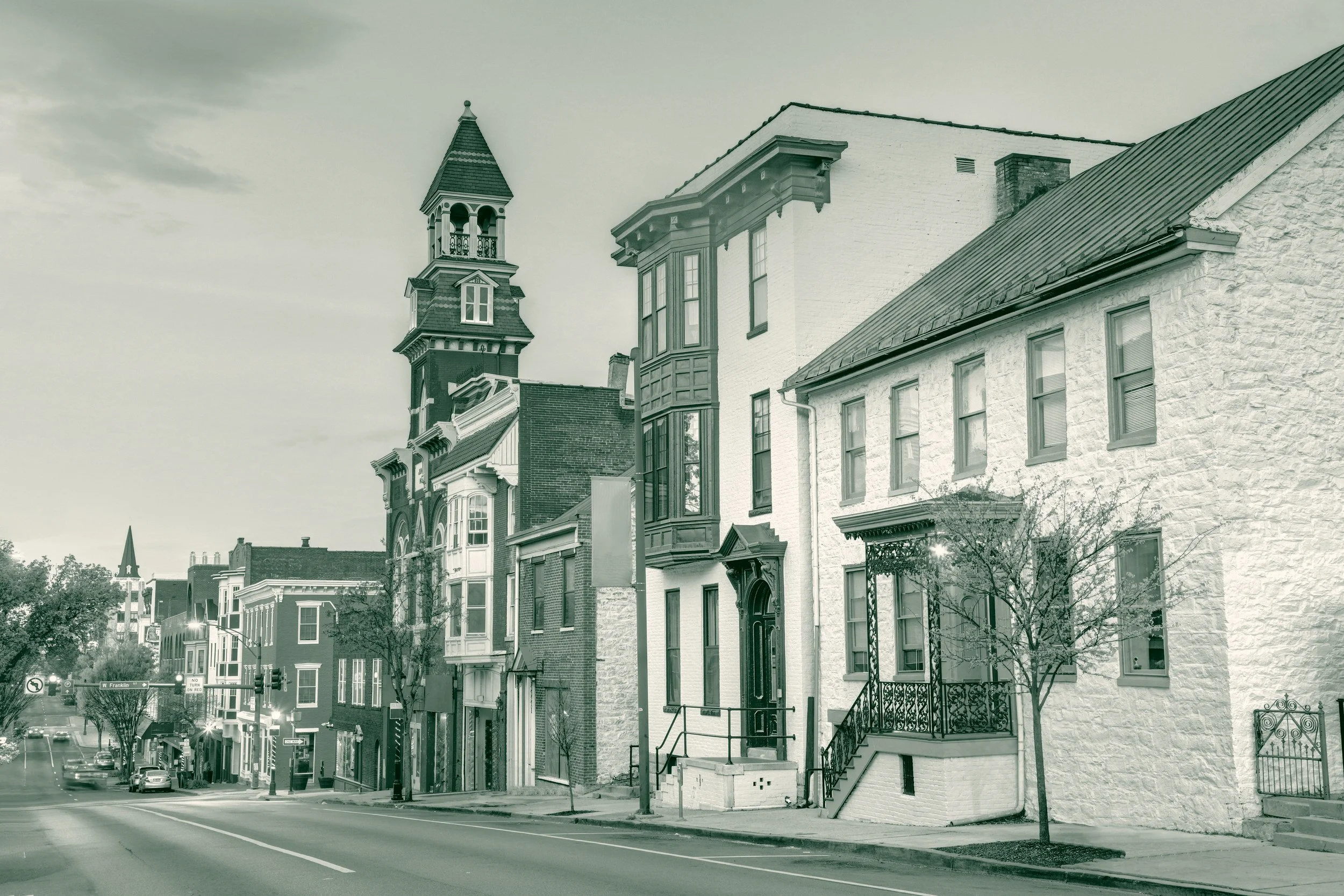
Six settlement-funded peers work inside Maryland's public defender offices, moving clients from jail into vetted treatment under attorney-client privilege.

Free Take-Home Naloxone at Emergency Departments
54 Virginia emergency departments now hand patients a free naloxone kit at discharge, with settlement funds covering the one cost no payer reimburses.

Preparing Physicians to Treat Addiction
A $199,929 grant asked 1,480 Wichita physicians what blocks addiction care, built the training they named, and opened Wichita's first addiction fellowship.
Youth Mentoring as Substance Use Prevention
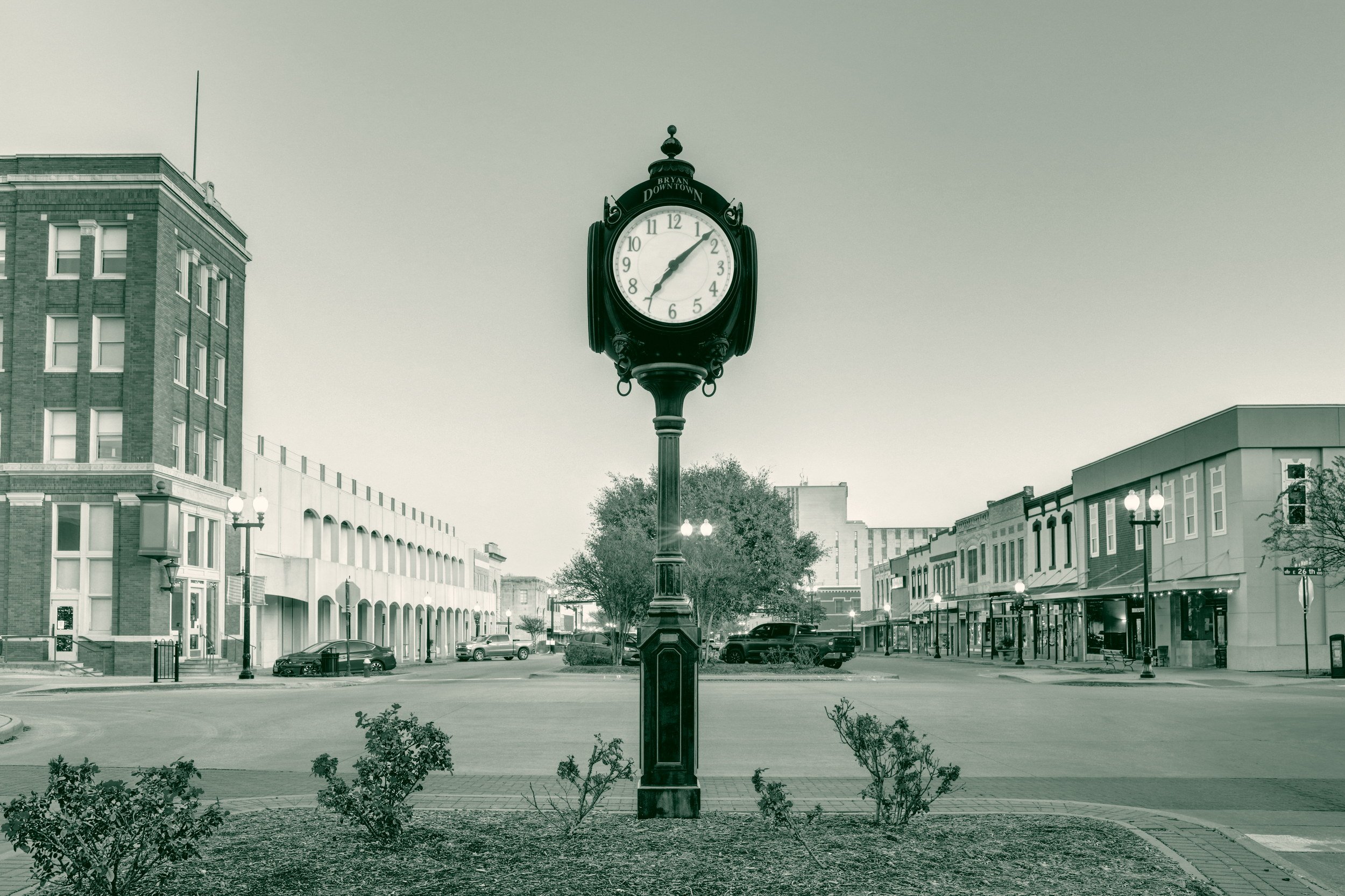
99% of referred children have an adverse experience; College Station, TX answered by steering a $95,000 settlement award into a proven mentoring model.

Peer Support Across Jails, Probation, and Recovery Courts
227 justice-involved people in New Hampshire got peer support in 2025 from staff who had lived recovery and incarceration, on $287K a year in settlement funds.