Recovery Village Pairing Certified Housing With Daily Rides
A Progressive, Neighborhood-Based Model for Sustained Recovery
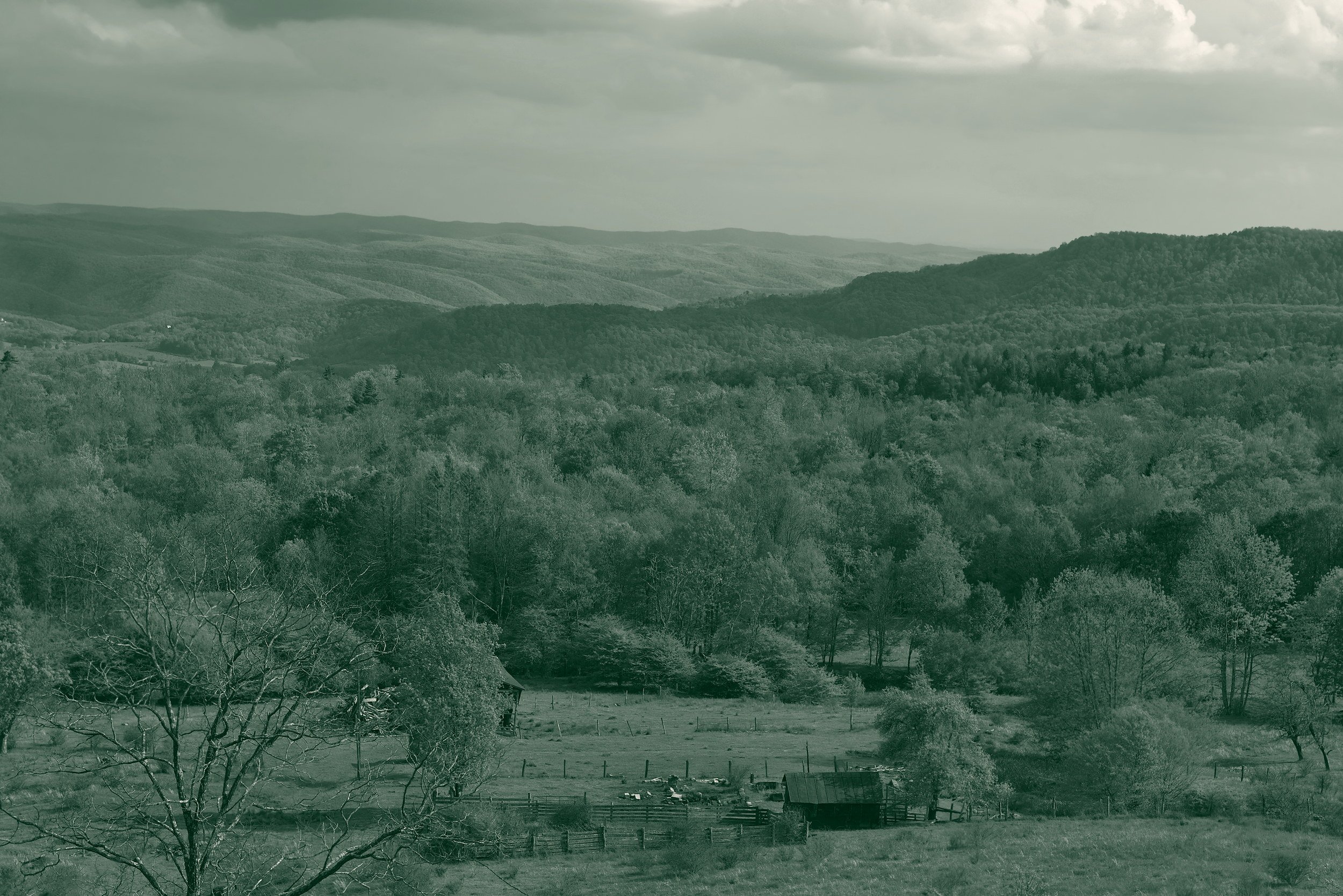
Semper Liberi opened a 48-bed recovery village in Berkeley County, West Virginia, in April 2025, combining certified recovery housing with daily rides to work, on-site staff, and job support. It now serves approximately 150 residents a year all while designing and planning for its next two phases of the village that will include apartments and townhomes.
The Challenge They Were Addressing
In 2018, the West Virginia Legislature created the Ryan Brown Fund to expand access to treatment. Dr. Jonathan Hartiens, a clinical psychologist, applied, received funding, and opened a residential treatment facility. While patients often left treatment motivated and equipped with recovery skills, within a few months, many returned after a recurrence of use. The team examined the post-treatment challenges and found that recovery housing in the area was scarce, and the cost of housing was also well beyond what a person in early recovery, often without stable employment or continued structured recovery support, could reasonably afford. Compounding the problem, they found that many available recovery houses were not West Virginia certified recovery residences, meaning they could not ensure an environment designed to support the recovery process in an evidence-based way. In addition to housing challenges, transportation was reported as a significant barrier for people leaving treatment. Many cannot drive because of license restrictions or unpaid fines and without reliable transportation options, getting to work and other responsibilities becomes difficult, and without employment, it is harder to pay car expenses, court-related costs, or other expenses needed to gain stability.
What They Built
Semper Liberi is a nonprofit led by a community board of varied persons from the local community including attorneys, contractors, builders, and elected officials, many of them personally affected by addiction. The idea came from Dr. Hartiens's own experience searching for a place to call home. When he and his wife moved to West Virginia with young children, they looked for a neighborhood where families shared similar values and sense of community. The experience led him to ask a simple but powerful question: Why couldn't a neighborhood be intentionally built around recovery?
From there the concept expanded beyond just providing housing. Dr. Hartiens envisioned a community designed around sobriety, stability, and connection, with the supports people often need as they move through the different stages of recovery. Rather than expecting someone to leave treatment and immediately navigate housing, employment, transportation, relationships, and long-term recovery on their own, the village would bring those supports together within a community built to help the residents establish stability and sustain recovery.
To begin, the organization used a grant from the West Virginia Department of Health and Human Services to buy 72 acres near Martinsburg in 2021. In 2022, congressionally directed spending secured through Senator Shelley Moore Capito provided the seed money for construction and a campus plan to house about 200 people and their families. But unfortunately, a funding gap paused construction in 2024, and work resumed late that year.
In April 2025, The Recovery Village opened its first three homes, creating 48 beds and earning Level 2 certification from the West Virginia Alliance of Recovery Residences. One 10-bedroom house is dedicated to men reentering the community after incarceration and can house up to 24 residents. A second home provides 12 beds for women, and a third offers 12 beds for veterans and other male residents. This first phase is designed as entry-level recovery housing for a resident's first year of sobriety, with on-site staff, regular drug screening, and required participation in recovery meetings. Dr. Hartiens compares it to a freshman dorm: a structured environment where residents are beginning to build independence but still have support close at hand. House managers who are further along in recovery live on site, oversee the homes after hours, and remain available to take residents' calls when staff are off campus.
Semper Liberi provides transportation alongside its housing services. Through a USDA grant, the organization purchased two 7-passenger minivans, followed by a 15-passenger van funded through a grant received from the Appalachian Regional Commission. As demand for transportation grew beyond the capacity of those vehicles, funding from the West Virginia First Foundation in 2025 allowed Semper Liberi to add three more vehicles to its fleet.
These vans start taking residents to work at 4:30 a.m. and cover about 300 miles per day. The vans also take residents to medical appointments, child visitation with Child Protective Services, and recreational outings during the week. Residents pay $200 per week, which covers the room, utilities, internet, support services, and transportation. Once their paychecks start, residents can pay their fees and begin paying off fines.
Applicants apply online through the Semper Liberi website. The community outreach coordinator, who holds a peer recovery credential and has been in recovery for seven years, works with probation and parole, WorkForce West Virginia, and medical providers to spread the word of the village and the application. Early signs of success can be seen in the steady flow of referrals and strong support from the courts, with some judges making residence at the Recovery Village a condition of probation. Applications arrive daily, demand exceeds available beds, and the Village maintains a waiting list.
The full campus will follow what Dr. Hartiens calls a progressive housing model. Phase II is a three-story apartment building for residents with a year of sobriety, and will include drug screens, but less monitoring, and limited Semper Liberi transportation. Design is underway, and construction is scheduled to begin in spring 2027. Phase III will add 50 to 100 three-bedroom townhomes, depending on a market analysis, for residents with two or more years of sobriety. The townhomes are designed for family reunification, and at least one member of each household must be in recovery. Townhome residents will mentor newcomers entering Phase I.
Who You Need at the Table
What made a willing partner essential vs. optional?
Semper Liberi describes its partnerships as a hub and spokes, with the village at the hub and eight spokes around it, including the courts, probation and parole, the day report centers that each West Virginia county operates, local, state, and federal officials, education and training partners, employers, medical and mental health providers, and workforce agencies. The essential partners are the ones that send residents to the village and the employers that give residents a paycheck.
The board drew members from many systems, and community support for the concept was in place years before the houses opened. About 150 guests attended the 2025 ribbon-cutting, including members of the West Virginia First Foundation and state legislators. They saw the houses in person, and Semper Liberi then submitted its settlement fund requests.
Budget Breakdown
What is the minimum viable budget to replicate this?
The Recovery Village's operating budget works out to about $13,000 per bed per year before resident fees are counted, for 48 to 50 residents and five vans.
At $200 per week, a full year of fees for one resident comes to $10,400. A county starting with a smaller sum can use those figures to size one house. Dr. Hartiens's advice for a community with about $150,000 is to spend it first on one person with grant-writing skill, people skills, and a commitment to the population who can build the coalition and assemble the larger funding package that housing and vans require.
What Worked and Why
Specific decisions or design features that drove success
Residents take pride in their well-designed, well-furnished homes and keep them clean. Every home has a porch or patio. In the evenings, those porches turn into informal Twelve Step meetings, and probation and parole officers stop by to talk.
Transportation launched with the housing. Residents can find jobs online, but in Berkeley County, getting to them is the hard part. Daily rides let residents start earning right away, pay their weekly fee, and pay down fines. Most residents who stay 6 to 8 months buy their own cars and no longer need the vans.
Staff summarize the village's expectations of residents as progress, accountability, and community connection. Residents are expected to keep moving forward in step work, building financial independence, family reconciliation, and continued education. When someone plateaus, staff talk with them about relapse risk and, if they no longer want to continue making progress, encourage them to find their own place in the community. Hartiens stresses that these conversations are expected by the village and carry no penalty. Residents also hold one another accountable. When someone starts to slip, housemates often bring it to staff because they want to protect the village.
In the village, supportive housing means staff support, and rent is not subsidized. A social worker is on campus daily, and residents bring her questions about relationships, cars, and job offers. Peer staff with living and lived experience of recovery and justice involvement work alongside her. Hartiens points to the on-site staff as the difference between the success of the village and peer-run houses without staff.
Noted as a key to their success, Semper Liberi has maintained a stable board that supported the long build that resulted in Phase I of the village. Many nonprofits lose staff and board members to better-paying work and spend years re-educating replacements. Semper Liberi's board has stayed consistent since before the land purchase, and that continuity carried the project through the 2024 construction pause.
Early outcomes and data
About 150 residents have been served per year since the village opened in April 2025.
48 to 50 residents in the houses at a time, with a waiting list.
The average length of stay has risen to 6 to 9 months, as residents who could move out choose to stay.
Most residents who stay 6 to 8 months buy their own vehicles.
6 beds added to the house for men leaving incarceration through a 2026 renovation.
A study with the West Virginia University Department of Economics is planned to measure the long-term economic impact of the state's funding.
Lessons Learned
Make the vision bigger than the resources. Settlement and grant funds are limited and come with paperwork, and frustration builds quickly. Hartiens did not expect, when he started in 2020, that completing the village would take until 2030 or 2032. He estimates the project is about halfway there.
Keep the board steady. A consistent board carried the project through a land purchase, a congressional appropriation, a construction pause, and an opening. Turnover would have meant starting the education process over each time.
Build buy-in at every level of government. Each level of government paid for a different piece. The state health department bought the land, a congressional appropriation started construction, USDA grants bought the vans, and the West Virginia First Foundation awarded the settlement grants. The village would not exist without all of them.
Hire people who care about the population. The work is slow and often frustrating. Dr. Hartiens has known some residents since they were sleeping in ditches and now sees them reconciling with family. He treats that commitment as a hiring requirement.
Plan the next phase before residents need it. Dr. Hartiens expected residents to leave once they had jobs and cars. Instead, many stay for the community, which has led to longer stays and made the Phase II apartments the next priority.