Opioid Settlement Case Studies: Real Programs, Budgets & Outcomes
This library documents how communities across the country are using opioid settlement and abatement funds to expand prevention, treatment, recovery, and overdose prevention services. Each case study profiles a single program in a single jurisdiction and details its funding, partners, design, and outcomes, from same-day buprenorphine care in Burlington, Vermont, to a rural walk-in recovery center in Walker County, Alabama.
Use the filters to sort by settlement category, service type, population served, community type, state, and budget range, then open any profile to review the budget, results, and lessons learned. Each model is presented as a reference point rather than a prescription, so you can adapt the elements that fit your community's needs and capacity.
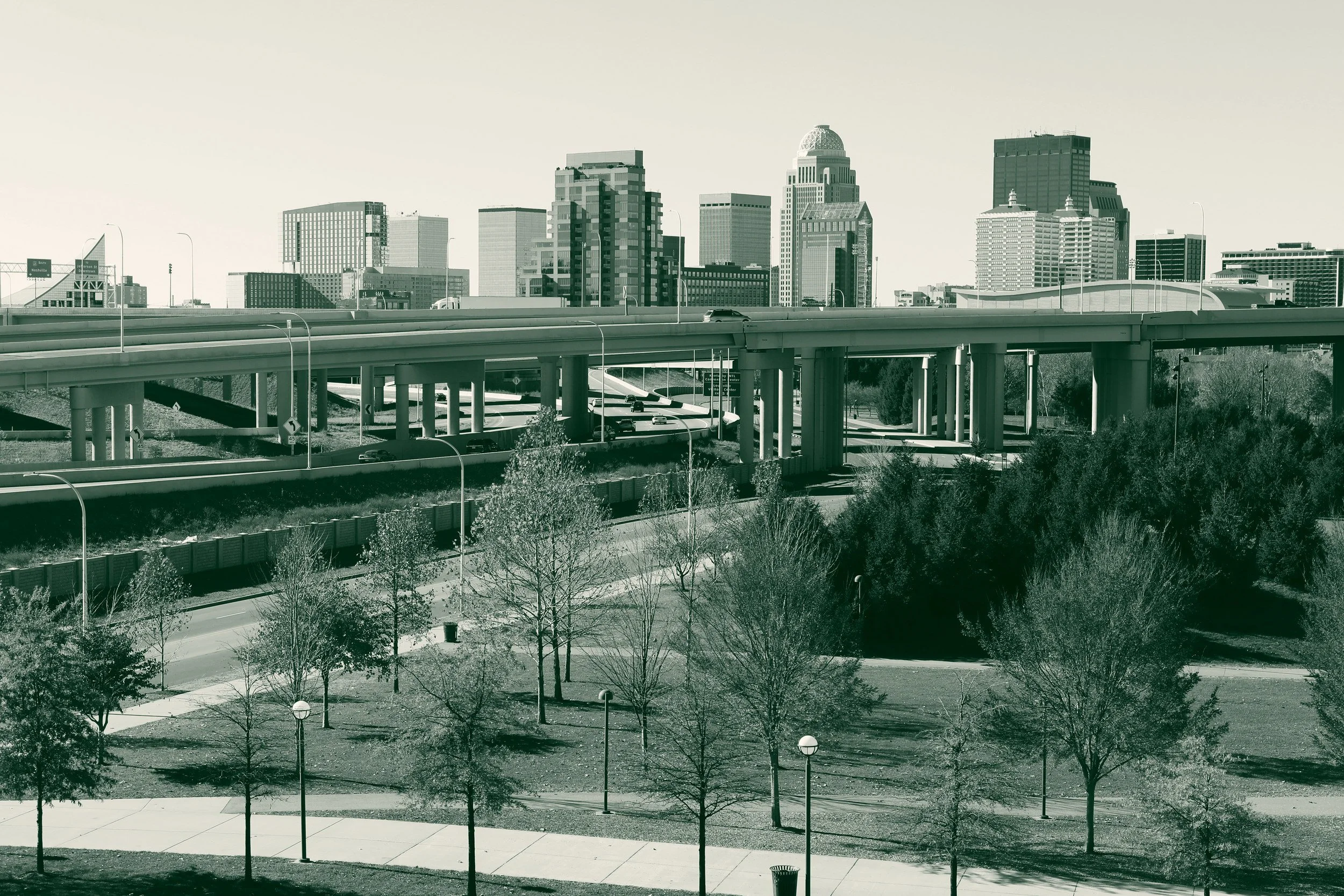
Volunteer-Run Recovery Fellowship Built on a Meal and a Ride
225 people gather each Friday at a south Louisville, KY church, where settlement funds cover the meal and the rides that bring newcomers back each week.
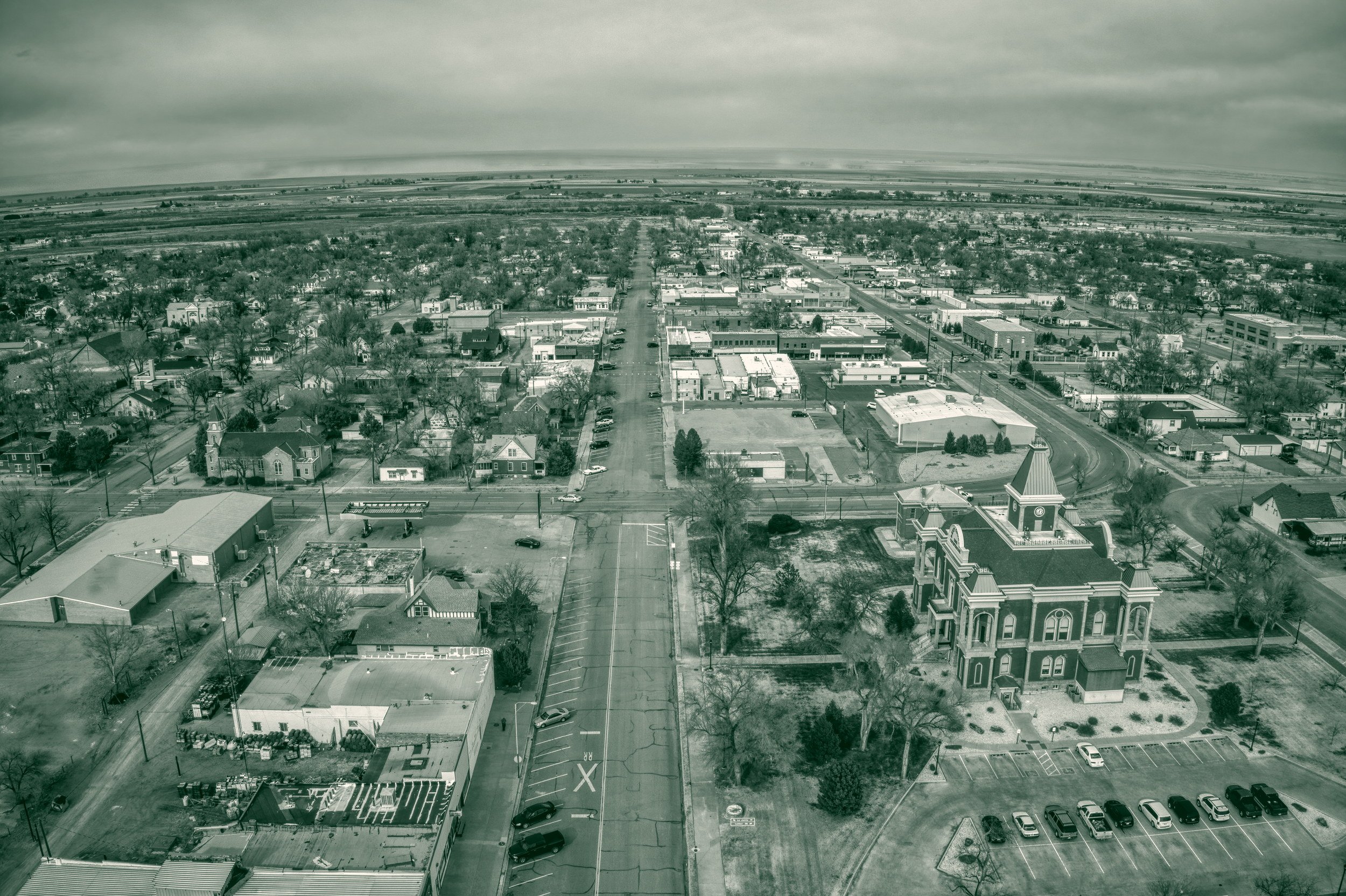
Fort Lyon: Statewide Recovery Housing on a Former Army Post and VA Campus
464 residents lived at The Fort in 2025, a peer-led campus in Bent County, CO where people can stay up to two years to rebuild IDs, income and housing.
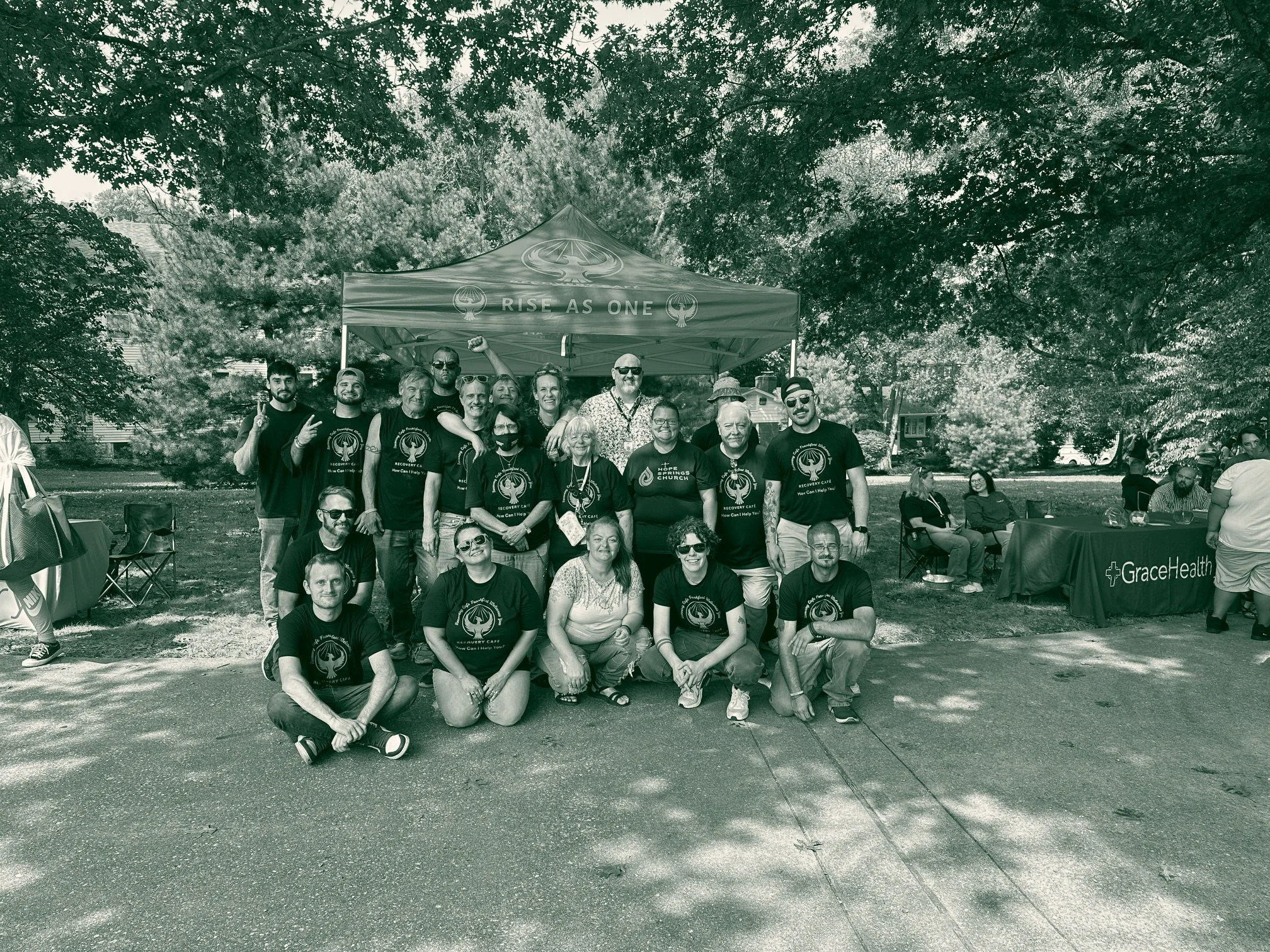
Membership Recovery Café Where Every Employee Is a Peer
10,166 Kentuckians came through a peer-led recovery café in Lexington since 2024, where every staff member is in recovery and members join a weekly circle.
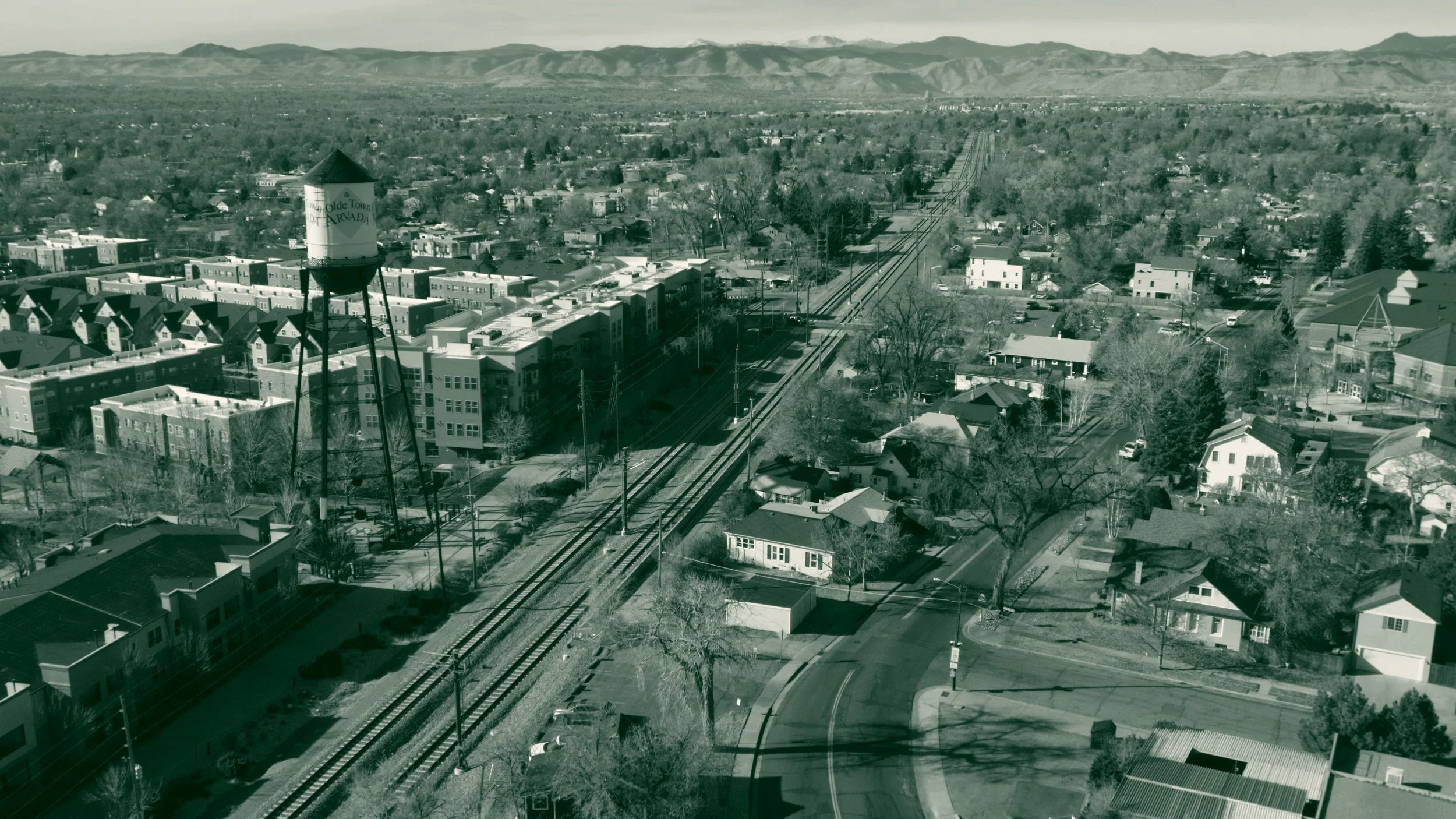
Monarch Sober House: Women's Recovery Housing
A $1.2 million capital purchase put an 11-bed women's recovery home in Wheat Ridge, CO under a 15-year contract that recaptures funds if the operator exits.
Walk-In Recovery Centers Across Seven Rural Counties
More than 6,000 people walked into a Lee County, KY recovery center since 2022, and the model now runs across seven rural counties on $865K in settlement awards.
Practical Needs First at a Peer-Run Recovery Hub
622 people reached detox, treatment and sober living in one year, sent by peers at a Jonesboro, AR drop-in center built on a $250,000 settlement award.

Family Recovery Housing Preventing Foster Care Placement
Six townhomes in Lakewood, CO house whole families for a year of treatment and family therapy, keeping children out of foster care while a parent recovers.
Recovery-Friendly Workplace Certification for Employers
124 employers across 25 Colorado counties signed on to a recovery-friendly certification, built on a $500,000 opioid settlement infrastructure award.
Peer Support Inside the Public Defender's Office
Six settlement-funded peers work inside Maryland's public defender offices, moving clients from jail into vetted treatment under attorney-client privilege.
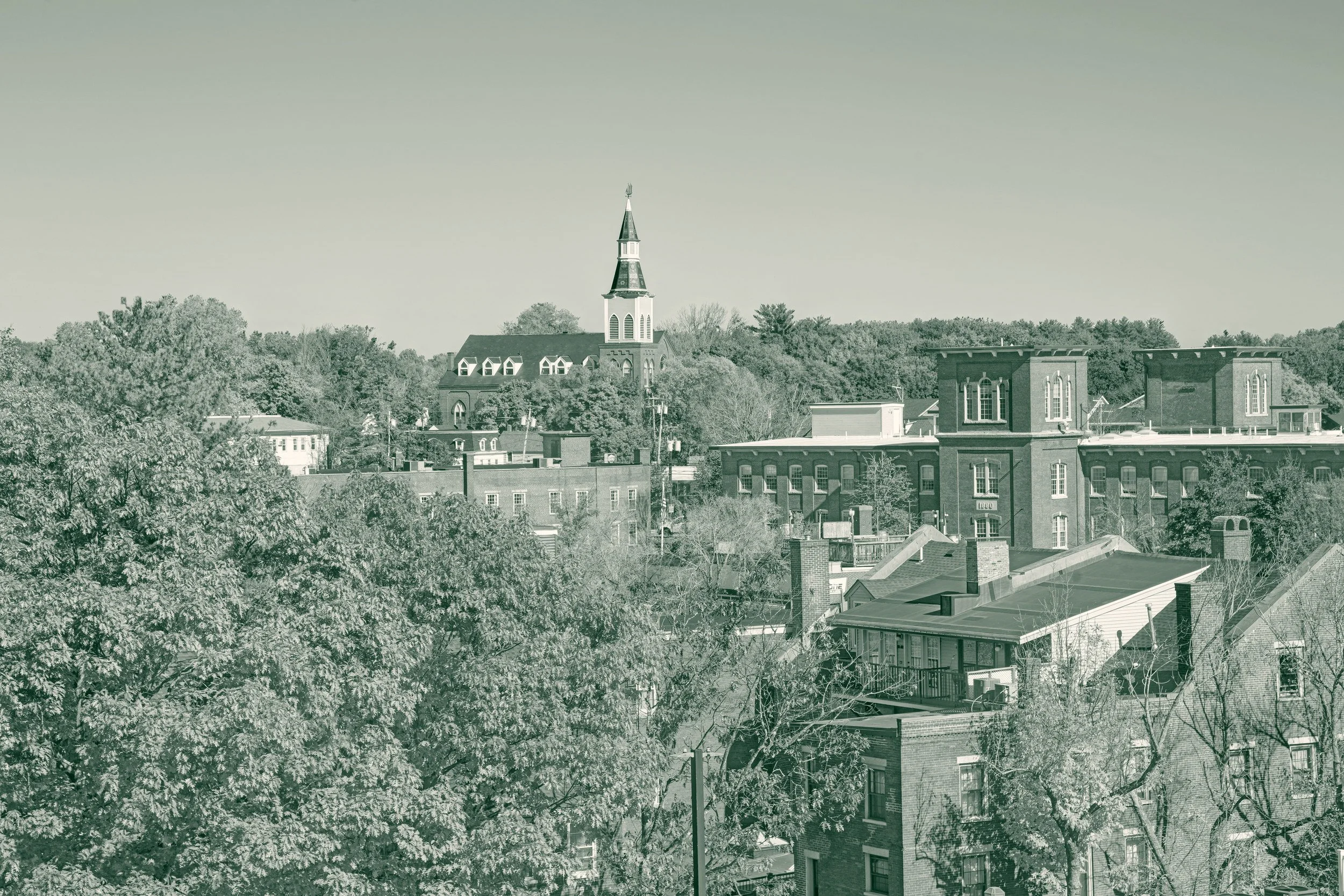
Peer Support Across Jails, Probation, and Recovery Courts
227 justice-involved people in New Hampshire got peer support in 2025 from staff who had lived recovery and incarceration, on $287K a year in settlement funds.
Peer-Led Jail Recovery with Free Outpatient Handoff
80% of participants in a rural northwest Kansas jail class were still in recovery a year later, on $500,000 in opioid settlement awards across two cycles.
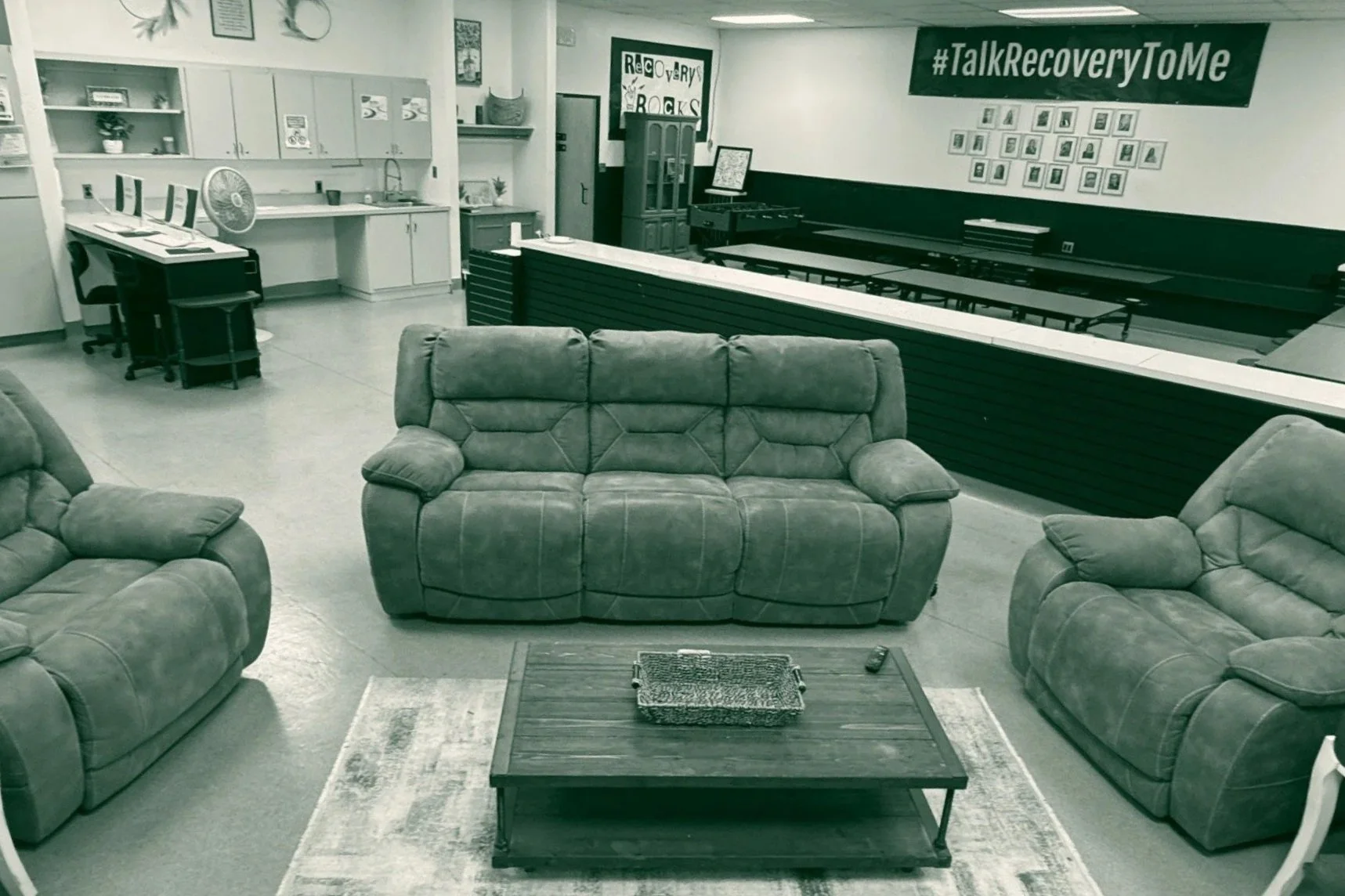
The Recovery Den: Rural Walk-In Center
Peer mentors in Walker County, AL logged 2,498 service visits in 2025 at a walk-in recovery center that runs on a $150K settlement award, no appointment needed.

Rise Recovery: Youth Addiction Services
Rise Recovery has served 1,538 participants this grant period across a Bexar County, TX youth continuum of school-based recovery, treatment, and peer support.
Barrier Reduction for Homelessness
836 people leaving treatment moved into sober living homes across 20 Kansas counties through Mirror, Inc.'s weekly move-in assistance, all on a $280K award.
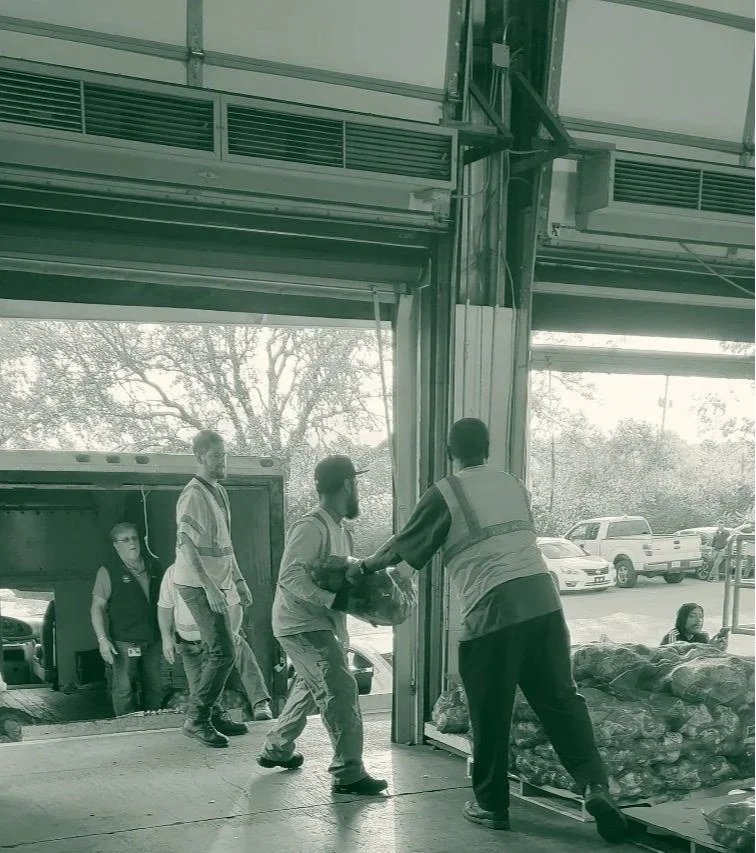
Center for Employment Opportunities: Transitional Work and Peer Support
One dedicated peer specialist doubled job success for people in recovery in Louisville, KY, from 15% to over 30%, on a $255K settlement award.
Pathways to Progress: Residential Recovery Expansion
In Champaign-Urbana, IL, a single renovation expanded entry-level recovery capacity 40% and reserved 10 of 26 beds for opioid-impacted adults, on a $580,000 settlement grant.