Center for Employment Opportunities: Transitional Work and Peer Support
A Strong Buffer Between Release and Work for Justice‑Impacted People with OUD
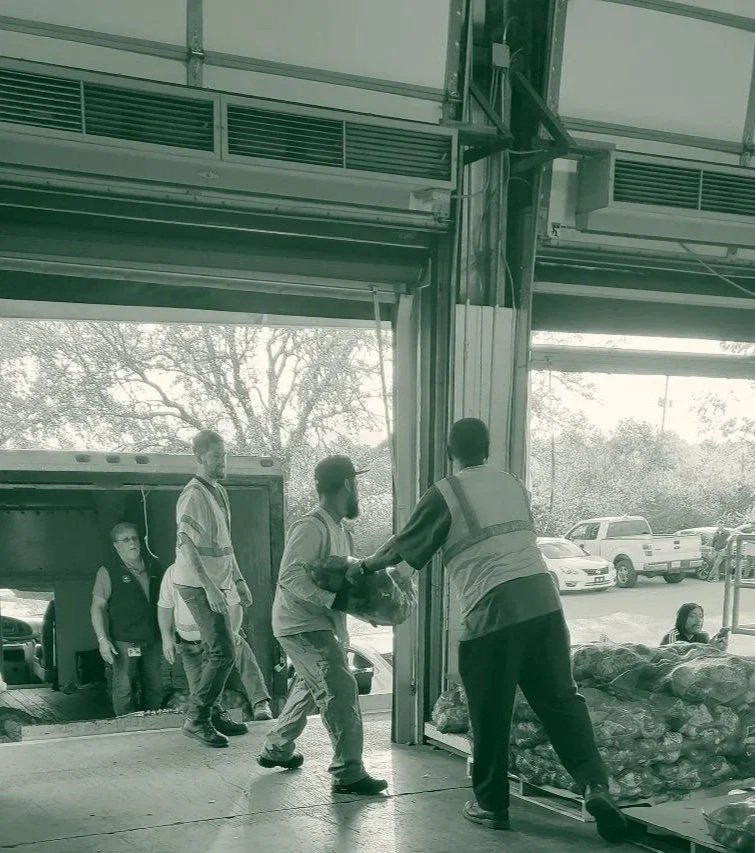
CEO used Kentucky opioid settlement funding to add a dedicated peer support specialist and a new transitional work crew for justice-impacted people with opioid use disorder in Louisville, moving beyond a referral-only approach to provide direct, ongoing support with warm hand-offs to treatment. Success rates for participants with substance use histories more than doubled in the first year, from 15 percent to over 30 percent.
The Challenge They Were Addressing
Before this funding arrived, CEO Louisville was already serving justice-impacted adults through its national transitional employment model: paid transitional work crews, job coaching, and placement services for people recently released from incarceration. What the site could not do well, at the scale the need demanded, was the recovery support that many of those participants required. Roughly a third of people served at the Louisville site were struggling with substance use, typically opioid use disorder, and the site's team of four was stretched across every step of the employment pathway.
The practical result was a referral-only pattern. A job coach would identify that a participant was struggling with OUD, point them to a treatment provider, and move on to the next barrier. Follow-up with the provider was ad hoc. Handoffs were not tracked. Success rates told the story: participants with substance use histories were succeeding at roughly 15 percent, well below site averages. People coming out of incarceration with OUD need their first weeks of reentry to hold, and a referral note was not enough to make that happen.
When Kentucky opioid settlement funding opened up in 2025, CEO applied with a specific, narrow ask: add a dedicated peer support specialist focused only on participants with OUD, and subsidize a new transitional work crew partnership so more of these participants could get paid work while that support took hold. The Kentucky Opioid Abatement Advisory Commission, advised by the Attorney General's office, awarded $255,000 over one year, with a renewal application now under review.
What They Built
Participants reach the program on release from jail or prison. Most arrive through referrals from Kentucky Probation and Parole, through sober living homes and three-quarter houses in the Louisville area, and through word of mouth or walk-ins. The first step is a referral form and intake, followed by a two-day paid orientation that covers CEO's model and the realities of the current job market. Only after orientation does a participant begin the formal services: a risk and needs assessment, and work with an assigned job coach.
Participants work four days a week on a CEO transitional work crew, paid at twelve dollars per hour, well above the Kentucky minimum. In Louisville, the anchor crew is with the Kentucky Transportation Cabinet, doing litter abatement, storm and disaster cleanup, landscaping, and roadside maintenance on state highways and state-owned land. A CEO site supervisor, often a former program participant, rides with the crew in a CEO van from a central pickup point to the work site, stays on the job, and signals to the partner that the program, not the employer, holds the operational risk and the workers comp coverage.
On the fifth day of each week, participants meet their job coach for specialized services: resume building, digital skills, advanced training such as Commercial Drivers License (CDL) or welding certifications, and the Emerging Leaders Program for participants ready to move into vocational or supervisory roles. The team also helps participants secure vital documents they lost during incarceration, including state ID, Social Security cards, and birth certificates, and supports GED completion when needed. Once a participant is assessed as job-start ready, they transition to the business accounts manager, who matches them with an employer based on skill set, experience, and interests.
Settlement funding added the piece that was missing. A dedicated peer support specialist, both a certified peer recovery specialist and a person with lived justice experience, works only with the cohort of roughly 40 OUD participants a year. That specialist handles direct and intentional handoffs to substance use treatment providers, follows up after the handoff, and stays in contact with the participant through the full arc of the program rather than closing the loop at referral. The same dollars also subsidized the first year of a new transitional work crew partnership, letting CEO demonstrate the crew's value to a partner before that partner took on the full cost.
Key Program Components
Who You Need at the Table
What made a willing partner essential vs. optional?
A required partner is one without whom the program literally cannot run. The transitional work crew partner is the clearest example. Paid transitional work requires a willing employer that has a real workforce need and allows CEO to bring a crew onto the property. The Kentucky Transportation Cabinet became that anchor in Louisville because the work is consistent, the contracts run at least a year, and the agency is willing to take on large numbers of justice-impacted participants. Sober living homes are required because they produce the steady referral stream for the OUD cohort. State-level political champions are required at entry because the work does not happen without them opening the right doors.
Helpful partners strengthen the model but are substitutable. Probation and parole referrals are valuable, but outreach can run through sober living homes, NA meetings, and walk-ins if the corrections relationship is thin. Additional transitional work crew partners broaden the skills participants build but are not required in Year 1. Workforce development boards and community treatment providers add capacity and credibility without being prerequisites for launch.
Budget Breakdown
What is the minimum viable budget to replicate this?
The honest minimum viable version is one or two dedicated peer support specialists tied to a strong network of community treatment providers. At $75,000 a county could fund one full-time peer support specialist, or split the role into two part-time positions that together hold the direct-handoff and follow-up function. That buys the recovery support piece, but not the transitional work crew. A transitional crew only works with a willing employer that has real workforce need and a site supervisor to run it. In a rural county, the right move is often to build the peer support capacity first, show measurable outcomes, and use that evidence to bring in an employer partner who funds the crew wages directly without additional grant dollars.
What Worked and Why
Specific decisions or design features that drove success
Dedicating a single staff member only to the OUD cohort is the decision that moved the numbers. Before the grant, the Louisville team of four was spread across every moving part of reentry employment, and OUD support kept losing out to whichever crisis was most immediate that morning. Pulling that work into one person's portfolio, with a clear caseload of around 40 participants a year, turned ad hoc referrals into direct and intentional handoffs. The success rate for participants with substance use histories moved from roughly 15 percent to over 30 percent in the first year.
Replacing referrals with soft handoffs is the operational reason the numbers changed. A referral in the old pattern was a name, a phone number, and a goodbye. A soft handoff is a warm introduction to a specific person at a specific provider, followed by a check-in a week later and another the week after that. Participants stay engaged because the peer stays engaged, and the treatment provider gets a partner in the case rather than a one-way handoff.
Building the cohort around paid transitional work, not volunteer or stipended work, is what keeps participants showing up. Twelve dollars an hour, four days a week, matters. Kentucky's minimum wage is $7.25. A paycheck that clears rent and recovery costs is what makes it possible for a participant to stay engaged with the work, the treatment, and the job-readiness training all at once.
Hiring former participants into supervisor roles is the quieter decision that carries outsize weight. Both full-time crew supervisors in Louisville came up through the program. That lived experience is what lets the supervisor read a crew member who is about to slip, head off a problem before it becomes one, and make the case internally that the model works. CEO's organizational commitment, at roughly 40 percent justice-impacted staff, sets the expectation that lived experience is a qualification, not a barrier.
Structuring the crew with CEO as the risk holder, not the partner, is what gets partners to the table in the first place. Employers worry about safety, about turnover, about liability. The CEO model answers each of those with a staffed site supervisor, workers comp coverage, and a shadowing period during which the supervisor learns the job before the crew starts. The partner gets a crew that fills a real workforce need without training burden or risk exposure.
Early outcomes and data
Success rate for participants with substance use histories more than doubled in the first year, from approximately 15 percent to over 30 percent.
Approximately 40 OUD-specific participants served per year through the settlement-funded cohort, embedded within a total site caseload of around 120 per year.
New transitional work crew partnership launched and subsidized through the grant, expanding paid work options for OUD participants.
Peer support specialist position established and operational, providing direct handoffs and follow-up with community treatment providers.
Kentucky Transportation Cabinet partnership maintained on multi-year contracts, including litter abatement, storm cleanup, and state-highway maintenance work.
Former program participants promoted into both full-time crew supervisor roles at the Louisville site.
Renewal application for continued settlement funding submitted and currently under review.
Lessons Learned
Hire the dedicated peer specialist first. A single full-time person focused only on OUD participants, running direct handoffs and follow-up, is what moved the success rate from 15 percent to over 30 percent. Every other decision follows from this one. Without a dedicated line, the work gets absorbed into someone else's portfolio and the gains flatten.
Widen the mix of work crew partners sooner. Starting with a single anchor partner like the Kentucky Transportation Cabinet is sensible, but waiting to add a second and third crew partner narrows the skill sets participants can build. In hindsight, adding a food bank or warehouse crew alongside the DOT crew in Year 1 would have given participants more direct pathways to permanent full-time roles.
Start political lobbying from day one. Program entry into Louisville leaned on state-level lobbyists who would champion the work. That lobbying opened doors faster than any single grant could. Budget time and relationship energy for legislative and executive-branch conversations, not only for operations.
Track outcomes tightly around the grant cohort. Success rates, handoff completion, and long-term employment outcomes should be measured specifically for the OUD cohort, separate from the broader caseload. That separation is what made it possible to show funders that the additional investment produced a measurable shift, and it is what a renewal application has to demonstrate.
Hire from within whenever possible. Promoting former participants into crew supervisor roles reinforces the model internally and externally. Internally, participants see a path that does not end at placement. Externally, the supervisor's lived experience is a form of credibility that agency partners and employers recognize immediately.