Turning a $25K Planning Grant Into a Federal Prevention Award
A Rural Coalition-Readiness Model for Prevention Funding
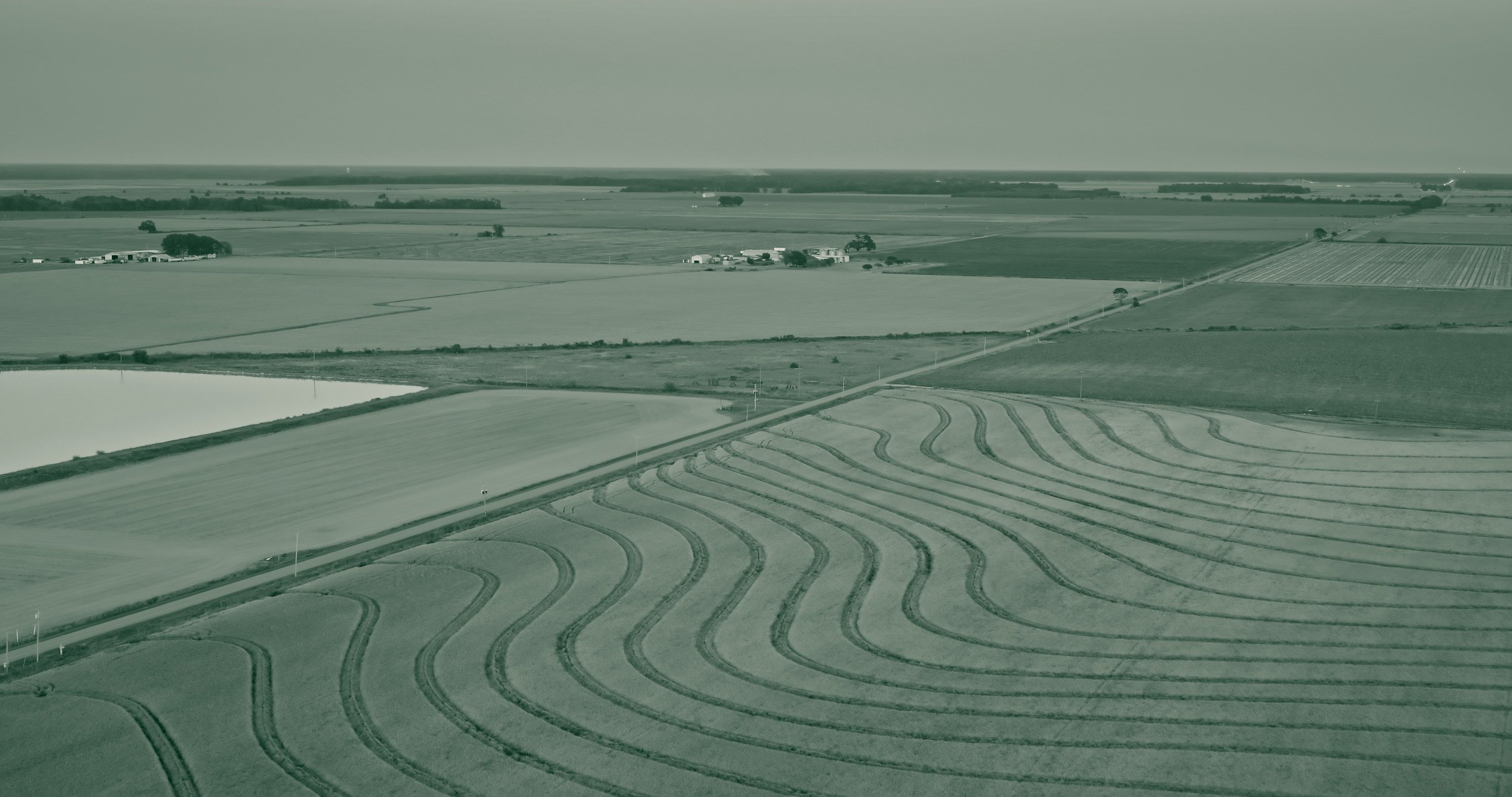
C.H.A.N.G.E. used a $25,000 opioid settlement-funded COPE award to build the training, nonprofit, data, and grant-writing capacity needed to pursue Drug-Free Communities funding.
The Challenge They Were Addressing
C.H.A.N.G.E. was working in a small rural community where substance use prevention had to reach youth, families, schools, faith leaders, and residents at different points along the prevention, treatment, and recovery continuum. The organization already had deep prevention experience through faith-based work, school-based prevention, and prior Partnership for Success activity. However, the path from local buy-in to a competitive Drug-Free Communities application still required more structure.
The project lead described seeing the same warning signs across schools, community settings, and the correctional system. That experience raised a practical prevention question: how could the coalition reach young people earlier, use local data, and develop a community plan before substance use progressed further along the continuum?
The gap was not interest. The gap was readiness. C.H.A.N.G.E. needed a clearer logic model, stronger data practices, youth involvement in planning, a way to organize the 12 community sectors required for coalition work, and the administrative footing to apply without relying on a fiscal agent.
What They Built
The COPE award gave C.H.A.N.G.E. a planning-year bridge from prevention experience to DFC readiness. The award paid for training, coaching, and application support so the coalition could move from a locally committed group to an organization prepared to apply for federal prevention funding and manage the work if awarded.
The core activity was participation in CADCA training, including the Opioid Academy, the Forum, and the Mid-Year Training Institute. Those training experiences clarified how to use a logic model, connect community assessment to goals and outcomes, and ground a prevention plan in data from the people and neighborhoods the coalition serves.
The award also supported the coalition's administrative readiness. C.H.A.N.G.E. obtained its own 501(c)(3) status, which reduced the need for a fiscal agent, and set aside $4,000 for grant-writing support. The coalition selected support by looking for someone with a record of success with DFC applications.
Operationally, the model is a capacity-building project rather than a direct-service program. It helps a rural coalition learn how to gather data, bring youth and sector representatives into planning, document spending through quarterly reports, and use settlement dollars as a launchpad for a larger, longer-term prevention strategy.
Who You Need at the Table
What made a willing partner essential vs. optional?
A required partner gives the coalition either authority, access, training, or application capacity. ARORP made the planning-year award possible. CADCA supplied the structured training pathway. The school system is essential because a youth-focused prevention coalition cannot plan effectively without youth, counselors, school leaders, and school-based data. Grant-writing support was also required because the award's purpose was to prepare the coalition to apply for the next funding opportunity.
Helpful partners expand reach and local acceptance. City and county leaders, faith leaders, families, businesses, and representatives from other sectors help the coalition understand what will work in England rather than importing a plan from elsewhere. For a rural community, those relationships matter because people respond differently when the message comes through someone they already know and trust.
Budget Breakdown
What is the minimum viable budget to replicate this?
The minimum viable version is a planning grant that pays for three things: structured coalition training, application support, and the practical costs of getting the right people to the table. For a community that already has a committed coalition and local leadership, a $25,000 award can be enough to complete training, finance targeted grant-writing support, organize the 12 sectors, and prepare a larger DFC application. If training travel costs are lower, remaining funds should be returned or redirected only through approved funder channels, not spent to exhaust the award.
What Worked and Why
Specific decisions or design features that drove success
The project paired training with an immediate funding target. C.H.A.N.G.E. was not attending training in the abstract. The coalition was learning what it needed to apply for and operate a DFC grant, which made the logic model, data, sector engagement, and youth participation content immediately useful.
The award helped the coalition move away from dependence on a fiscal agent. Obtaining 501(c)(3) status was a practical readiness milestone because it positioned C.H.A.N.G.E. to apply for funding in its own name and manage future coalition dollars with more independence.
The training changed how the coalition thought about youth involvement. The interviewee described the youth-focused sessions as an eye-opening moment because adult-led planning alone would not produce youth buy-in. The coalition left with a clearer understanding that youth voices belong at the planning table before goals and activities are set.
The grant-writing set-aside was specific and practical. Rather than treating grant writing as a general technical task, the coalition sought someone with a proven track record in DFC, a decision that aligned with the award's purpose: to prepare the coalition for the next funding step.
Quarterly reporting gave the coalition practice with funder accountability. The project required receipts, budget tracking, and milestone reporting. Returning unused funds, including unused hotel funds, reinforced that stewardship mattered as much as spending the award down.
Early outcomes and data
C.H.A.N.G.E. completed the planning-year COPE activities tied to CADCA training and DFC readiness.
The coalition applied for Drug-Free Communities funding and was later awarded the DFC grant.
C.H.A.N.G.E. obtained its own 501(c)(3) status, reducing the need for a fiscal agent.
$4,000 of the planning award was reserved for grant-writing support.
The coalition strengthened its understanding of logic models, community assessment, youth involvement, and the 12-sector coalition structure.
Unused hotel funds were returned rather than spent unnecessarily.
Lessons Learned
Start with the people being served. C.H.A.N.G.E.'s training reinforced that prevention planning has to include youth and families from the beginning. Their ideas affect what goals are realistic and what activities will be accepted.
Use training to clarify the logic model. The academy helped turn a confusing planning tool into a practical way to connect community needs, activities, outcomes, and data. That clarity matters before a coalition applies for larger funding.
Get the administrative base ready before the next award. Nonprofit status, grant-writing support, reporting habits, and receipt tracking are not paperwork extras. They are what allow a coalition to manage a larger grant responsibly.
Know the community's culture and language. The interviewee emphasized that even within a small town, people may respond differently depending on who brings the message and how it is framed. Local fit is part of replication.
Return what you do not need. The project treated unused travel funds as dollars that could serve another community need rather than money to be spent at the end of the award period.