Opioid Settlement Case Studies: Real Programs, Budgets & Outcomes
This library documents how communities across the country are using opioid settlement and abatement funds to expand prevention, treatment, recovery, and overdose prevention services. Each case study profiles a single program in a single jurisdiction and details its funding, partners, design, and outcomes, from same-day buprenorphine care in Burlington, Vermont, to a rural walk-in recovery center in Walker County, Alabama.
Use the filters to sort by settlement category, service type, population served, community type, state, and budget range, then open any profile to review the budget, results, and lessons learned. Each model is presented as a reference point rather than a prescription, so you can adapt the elements that fit your community's needs and capacity.
Practical Needs First at a Peer-Run Recovery Hub
622 people reached detox, treatment and sober living in one year, sent by peers at a Jonesboro, AR drop-in center built on a $250,000 settlement award.
Converting a State Building into Rural Treatment Beds
A vacant state office building near Booneville, AR reopened as a licensed 24-bed residential treatment center on a one-time $738,903 settlement award.
Free App for Naloxone Response and Overdose Reporting
A free Arkansas app walks bystanders through naloxone in English, Spanish, and Marshallese and logs the save, built for $296,000 and $8,750 a year to run.
Shared Overdose Response Team for Small Police Agencies
Pulaski County, AR shares one overdose team with five small police agencies, pairing a source investigator with a peer, on a $369,824 settlement award.
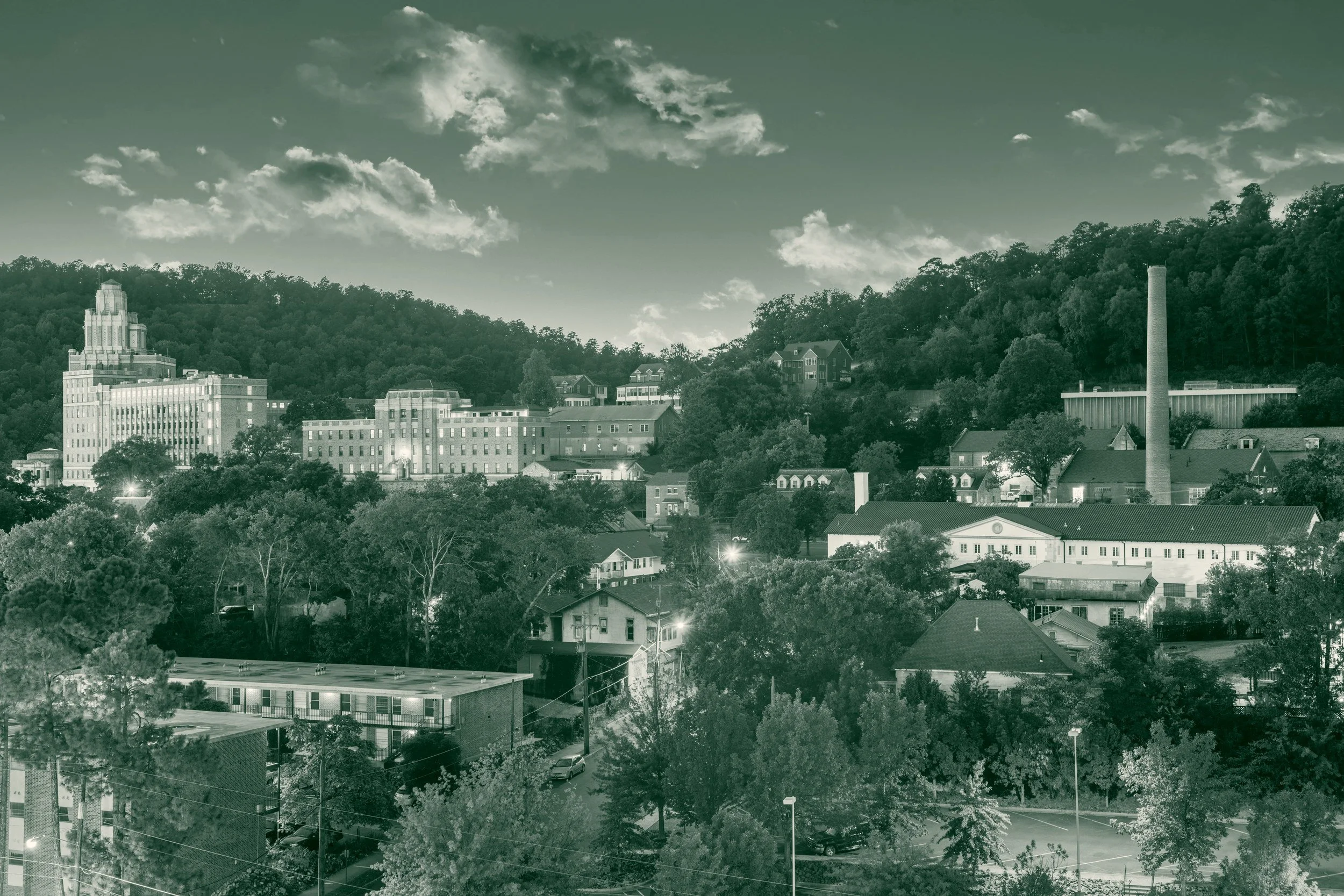
Police + Peer Post Overdose Response Team
In Hot Springs, AR, a peer specialist and a police investigator visit overdose survivors together, reaching people in the hours when they are most open to help.

Youth Success Center for Prevention and Family Stabilization
Carter's Crew reached 5,000+ Arkansas youth in 2024 and is converting a 27,000-square-foot former school into a one-stop prevention and recovery hub for families.
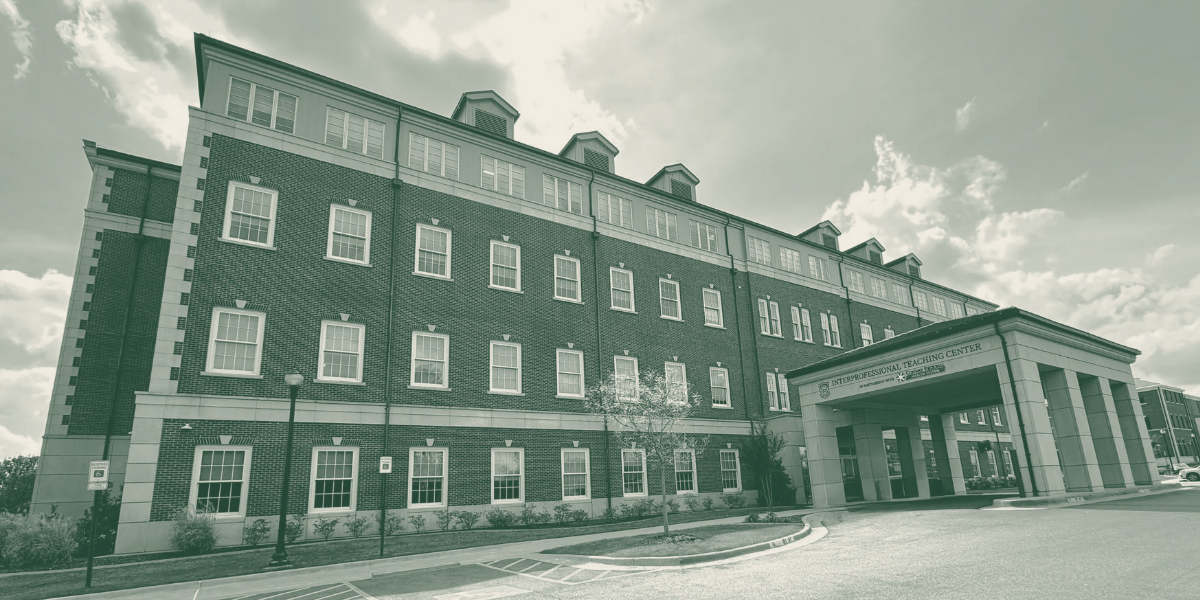
Campus Naloxone Training and Peer Recovery Model
In two years, the University of Central Arkansas trained 874 people in overdose response and served 294 through peer recovery, on a $202K settlement award.
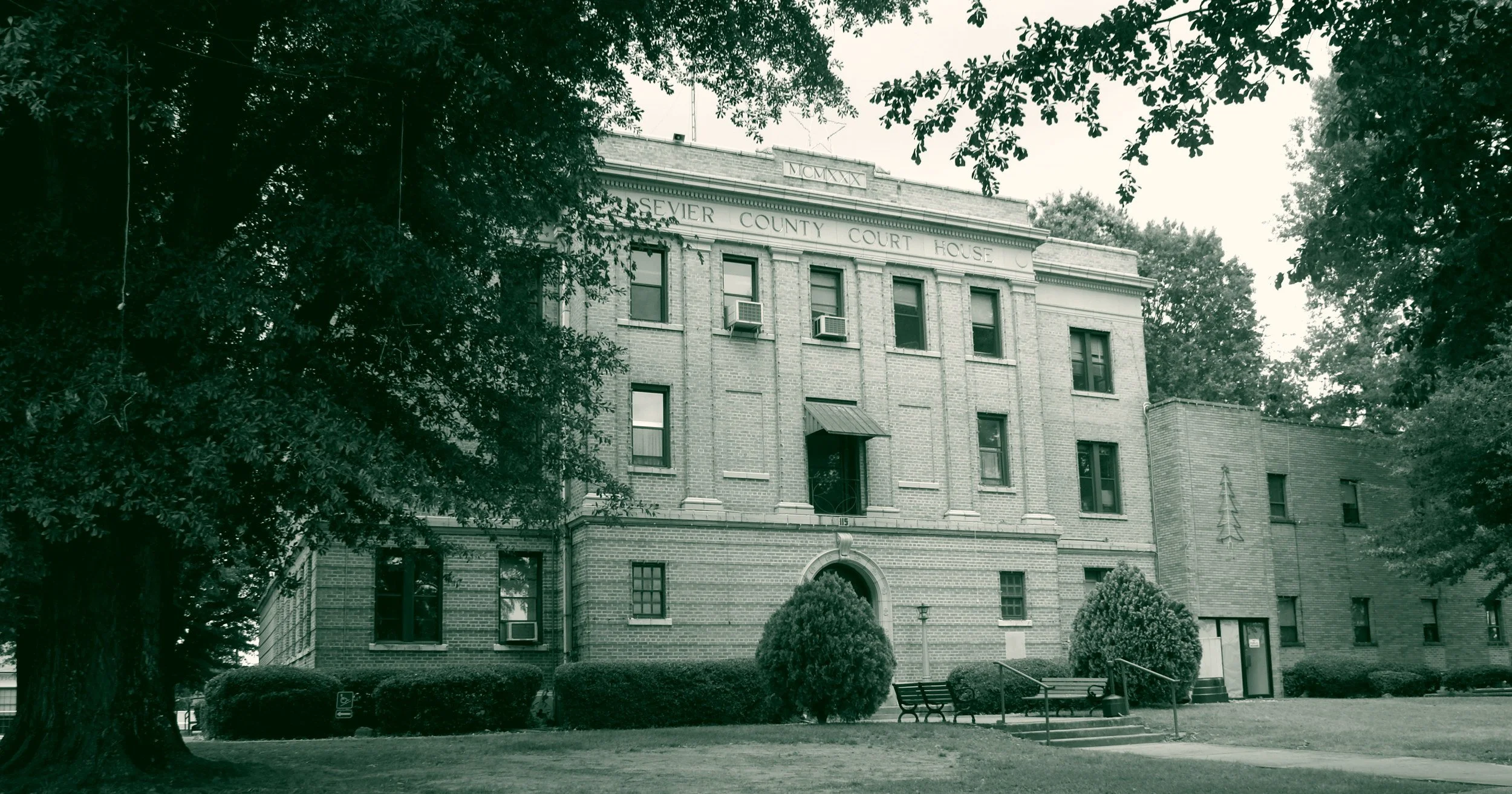
Jail-Based Recovery and Reentry Program
Recidivism sits near 18% for Sevier County, AR's sheriff-led RSAT program, against a roughly 42% state average, on about $372K a year in settlement funds.
Coalition Building for Prevention Funding
7 of 13 rural Arkansas coalitions won federal Drug Free Communities grants worth $13.1 million, all built on a $325,000 opioid settlement investment.