Jail-Based Recovery and Reentry Program
A Sheriff-Led, Faith-Anchored Substance Use Program with an 18-Month Aftercare Backbone
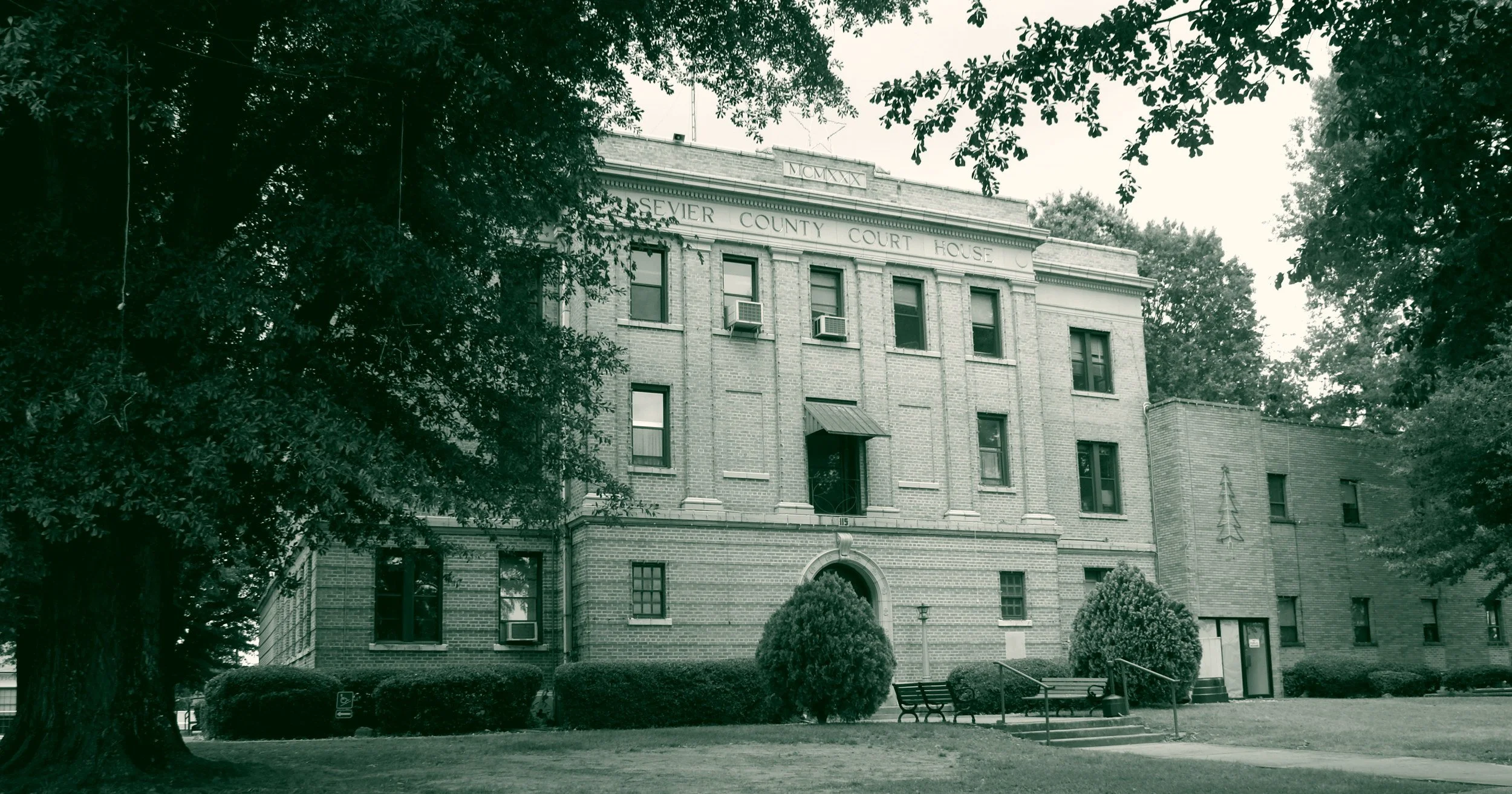
The Sevier County Sheriff's Office operates a jail-based substance use program that combines three months of in-custody programming with fifteen months of structured aftercare, delivered by two program coordinators, three peer recovery specialists, a contracted substance use educator, and a network of more than fifty community volunteers, serving 367 enrolled participants across ten years with a recidivism rate of roughly 18 percent, compared with an Arkansas Department of Corrections rate of 42 to 52 percent.
The Challenge They Were Addressing
Before this program existed, the Sevier County jail held people with substance use disorder the same way it held everyone else: classified by charge category, separated misdemeanor from felony, and released back to the community at the end of a sentence with no treatment, no aftercare, and no structured pathway to recovery. The sheriff had spent his early career in a regional drug task force and had watched the same people cycle through the jail every two or three months on petty theft and drug charges, each booking costing the county roughly sixty-seven dollars a day. None of it interrupted the underlying disorder.
Two early influences shifted the picture. A respiratory therapist arrested for methamphetamine manufacturing during the sheriff's task force years had asked, after release, for someone who would still answer the phone. The sheriff did. That single relationship became the model. Years later, when the sheriff was elected, a local pastor pressed him to allow a Celebrate Recovery team into the jail. Two of the volunteers the pastor wanted to bring were people the sheriff himself had arrested years earlier for methamphetamine manufacturing. These people had served their time, were now in long-term recovery, and wanted to give back to the community they had once harmed. The sheriff agreed to let them in.
From that decision, the program grew. Bible studies opened the door. AA and NA meetings followed. A certified substance use educator from the local mental health provider made the program eligible for a federal Residential Substance Abuse Treatment (RSAT) grant from the Arkansas Department of Finance and Administration, which funded the work for several years, with a 25% county match. When federal shutdowns made that funding unreliable, the sheriff approached the Arkansas Opioid Recovery Partnership (ARORP). In 2023, ARORP approved roughly $372,400 per year for 3 years, totaling just over $1.1 million, fully funded by the opioid settlement. The program kept its original RSAT name to preserve the brand the community already trusted.
What They Built
The program serves participants who have been court-ordered into it by the local prosecuting attorney and circuit judges, typically on a Class D felony drug charge carrying up to 6 years of suspended prison time, pending completion. People apply to the program from inside the jail. A peer recovery specialist conducts an interview, then forwards the application to the prosecutor for the final admissions decision. People with prior sex-offense or violent-offense convictions are not eligible, in part to protect the safety of the largely volunteer workforce that delivers programming inside the facility.
They are housed under a Northpointe-based classification model that groups people who are incarcerated by criminal history and institutional behavior, which creates a minimum-custody population eligible for full participation in programming and work assignments. A classroom located outside the housing unit allowed mixed-gender classes to run safely, with a program coordinator present at all times.
Mandatory programming inside the jail includes substance use education, anger management, parenting classes, criminal thinking, and GED preparation, delivered by a contracted certified substance use educator and a roster of registered volunteers, more than fifty at peak. Faith-based programming, including Celebrate Recovery, AA, and NA, runs alongside the clinical curriculum. Mental health services are contracted with a local provider for both RSAT participants and, under a separate jail line item, any incarcerated person in the facility who needs them.
After ninety days in custody, participants begin fifteen months of structured aftercare in the community. They are required to attend three recovery meetings per week, including one mandatory RSAT meeting offered both mornings and evenings to accommodate work schedules. They are subject to random drug testing seven days a week. They meet one-on-one with a peer recovery specialist, who is available outside business hours for crisis support and handles practical needs that determine whether recovery sticks: rides to job interviews, help finding long-term residential treatment when needed, benefits navigation, and family reunification with the Department of Human Services. Graduated sanctions structure aftercare accountability: a first violation now triggers 15 days in jail; a second, 30 days or a long-term residential placement; and a third, a suspended sentence and a warrant for arrest.
Key Program Components
Who You Need at the Table
What made a willing partner essential vs. optional?
The required partners in this model are not interchangeable. Without the prosecuting attorney holding admissions authority, the program loses its accountability level. Without the circuit court behind the suspended sentence, the sanctions structure collapses. Without a credentialed substance use educator, the in-custody curriculum cannot be delivered, which was the original gating factor on RSAT grant eligibility and remains the gating factor on quality. Without ARORP funding, the personnel base that carries the model would not exist. And without the quorum court, the local match and the gap-year appropriation that kept aftercare running between grant cycles would not have happened.
The deeper structural insight is that the program's foundation is not a contract or a curriculum; it is the volunteer base in local churches and recovery communities. The sheriff describes the program as "we," not "me," and points to roughly 50 registered volunteers as the operating reality behind that language. Helpful partners, including the extension office, the local college, individual tradespeople, and long-term residential providers, expand what the program can offer without being essential to day-one operation.
Establishing the partner network was not easy. The local police department was initially opposed, the general public pushed back over multiple election cycles, and even some deputies inside the sheriff's own department disagreed. The sheriff did not argue with critics. He let the program's outcomes change the conversation: petty theft bookings were down roughly 7% in the first years of operation, and individual graduates were visibly stable in the community over months and years.
Budget Breakdown
What is the minimum viable budget to replicate this?
A rural county with $75,000 cannot replicate the full program, but it can build the floor. The non-negotiable line is a credentialed substance use educator, on contract from a local mental health provider, who can deliver the in-custody curriculum and satisfy state grant eligibility down the road. A single program coordinator from the sheriff's existing staff can handle the day-to-day operations. AA, NA, and Celebrate Recovery meetings can be held entirely by volunteers. Drug testing supplies are inexpensive. The most expensive missing piece in a lean version is the peer recovery specialist function, and that work is what makes the difference between a program that runs and a program that holds. A county that cannot fund a peer specialist should be honest about that limitation and look for a local recovery community organization to partner with.
What Worked and Why
Specific decisions or design features that drove success
Building the program inside the jail, under the sheriff's authority, rather than as a community-only intervention, gave the model a structural backbone the courts could trust. The suspended Class D felony sentence is the lever that holds participants accountable across 18 months of programming, and it exists because the jail is the entry point. A community-only model would have lacked that consequence and, the sheriff believes, would have struggled to hold participants through the difficult middle months of aftercare.
The decision to listen to participants about what they actually needed, rather than designing curriculum from the outside, drove engagement upward. Early on, the program offered what staff assumed people needed. Once the program began asking participants what they wanted to learn, requests like welding, financial literacy, and basic work skills surfaced, and community volunteers stepped forward to teach them. One graduate worked with an incarcerated person to build a smoker from donated materials and cooked 125 pounds of leg quarters for the community. Several participants now work at a local propane company through volunteer-led work skills training.
Building the eighteen-month program structure was a direct response to participant feedback. The original program ran nine months total (three in, six out), then expanded to a year, then to eighteen months once participants began reporting that they relapsed shortly after losing the external accountability of meetings and drug testing. Treating relapse as an expected feature of recovery, not a disqualifying failure, and building an extension pathway through long-term residential treatment kept participants in the program who would otherwise have washed out.
Letting the data speak to the community changed the political climate. Petty theft bookings dropped by roughly 7% in the early years. Drug violation bookings declined. Mothers and fathers regained custody of children from the Department of Human Services, left public assistance, and began paying taxes. In a community of fifteen thousand people where most know each other, individual graduates who had stayed clean for three or five years served as their own evidence. The sheriff was re-elected twice, including against an opponent whose entire platform was ending the program.
Early outcomes and data
367 participants enrolled to date; 207 completed; 41 currently in aftercare (as of May 19, 2026).
Recidivism rate of approximately 18 percent, compared with an Arkansas Department of Corrections rate ranging from roughly 42 to 52 percent over the same period.
Petty theft bookings in Sevier County declined by approximately 7% in the early years of program operation compared with the prior two years.
Drug violation bookings in Sevier County have declined over the program's ten-year operating window.
Multiple participants have regained custody of children previously placed with the Department of Human Services and transitioned off public assistance.
AA and NA meeting access in the community expanded from one meeting per week to seven, with attendance drawing in participants from neighboring counties.
Sevier County Quorum Court voted to appropriate local funds to sustain aftercare during the 18-month gap between ARORP grant cycles, reflecting the court's confidence in the model.
Lessons Learned
Assume the public will resist before the data exists to defend you. The sheriff almost lost re-election once and faced an opponent whose entire platform was ending the program. Plan for that. Surface graduates as ambassadors. Publish booking and recidivism trends alongside individual stories. The data eventually changes how community members view the program, but it takes years.
Build the volunteer base before you need the budget. Roughly fifty registered community volunteers, anchored in local churches and recovery groups, are the operating reality behind a grant-funded structure. Volunteers will hold the program through any funding gap that the quorum court does not cover. Start that recruitment in the first month, not the first year.
Treat aftercare as part of the program, not an appendix. Most recovery work occurs after release. Drug testing seven days a week, three required meetings, peer specialist contact, and graduated sanctions are not extras layered onto a jail program; they are the program. Counties that fund the in-custody phase but underfund aftercare should expect their outcomes to resemble those of the in-custody phase alone.
Plan for medication-assisted treatment access, even if you do not provide induction. Sevier County does not currently provide medication for opioid use disorder inside the jail, but Arkansas requires continued treatment for incarcerated people who arrive there. The Americans with Disabilities Act framework around medication access continues to evolve, and replicating counties should design for it now rather than retrofit later.
Build the sustainability conversation with the quorum court from the start. ARORP rules require an eighteen-month gap before reapplication. The Sevier County Quorum Court appropriated local funds to sustain aftercare through that gap. That outcome was earned by years of court-facing data on bookings, recidivism, and county jail costs. Counties replicating this program should be presenting fiscal data to their county appropriators every year, not just when they need money.
Barbara Franco