Opioid Settlement Case Studies: Real Programs, Budgets & Outcomes
This library documents how communities across the country are using opioid settlement and abatement funds to expand prevention, treatment, recovery, and overdose prevention services. Each case study profiles a single program in a single jurisdiction and details its funding, partners, design, and outcomes, from same-day buprenorphine care in Burlington, Vermont, to a rural walk-in recovery center in Walker County, Alabama.
Use the filters to sort by settlement category, service type, population served, community type, state, and budget range, then open any profile to review the budget, results, and lessons learned. Each model is presented as a reference point rather than a prescription, so you can adapt the elements that fit your community's needs and capacity.
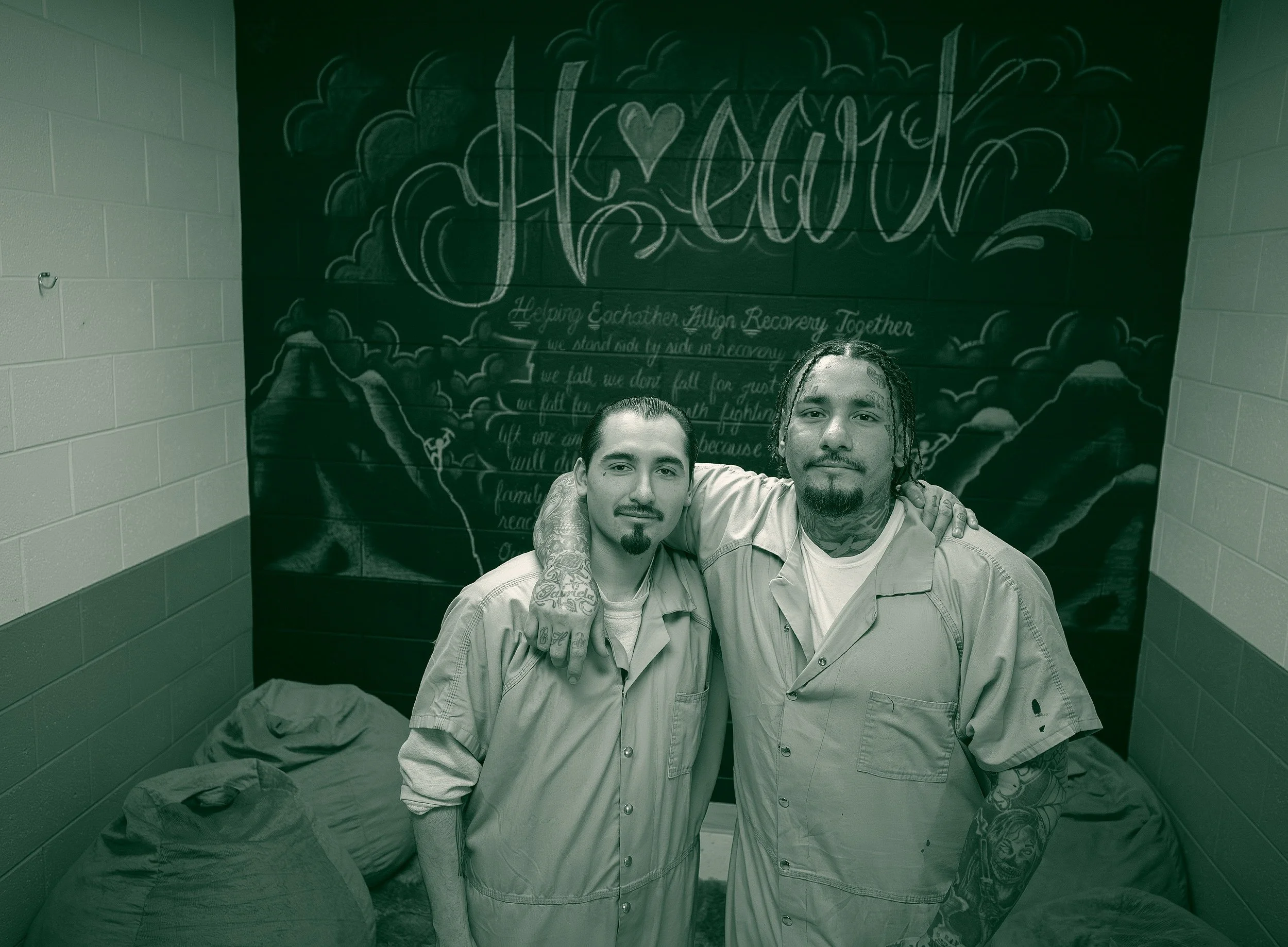
HEART: Treatment That Follows People Into Custody
37 people in a northwest Virginia regional jail keep their opioid medication from the day they are booked, with counseling, peer support and groups inside.

Centralized Tracking for Multi-Department Settlement Spending
Santa Clara County, CA puts every internal request for its $89M in opioid settlement funds through a grant-style review, tracked in one shared system.
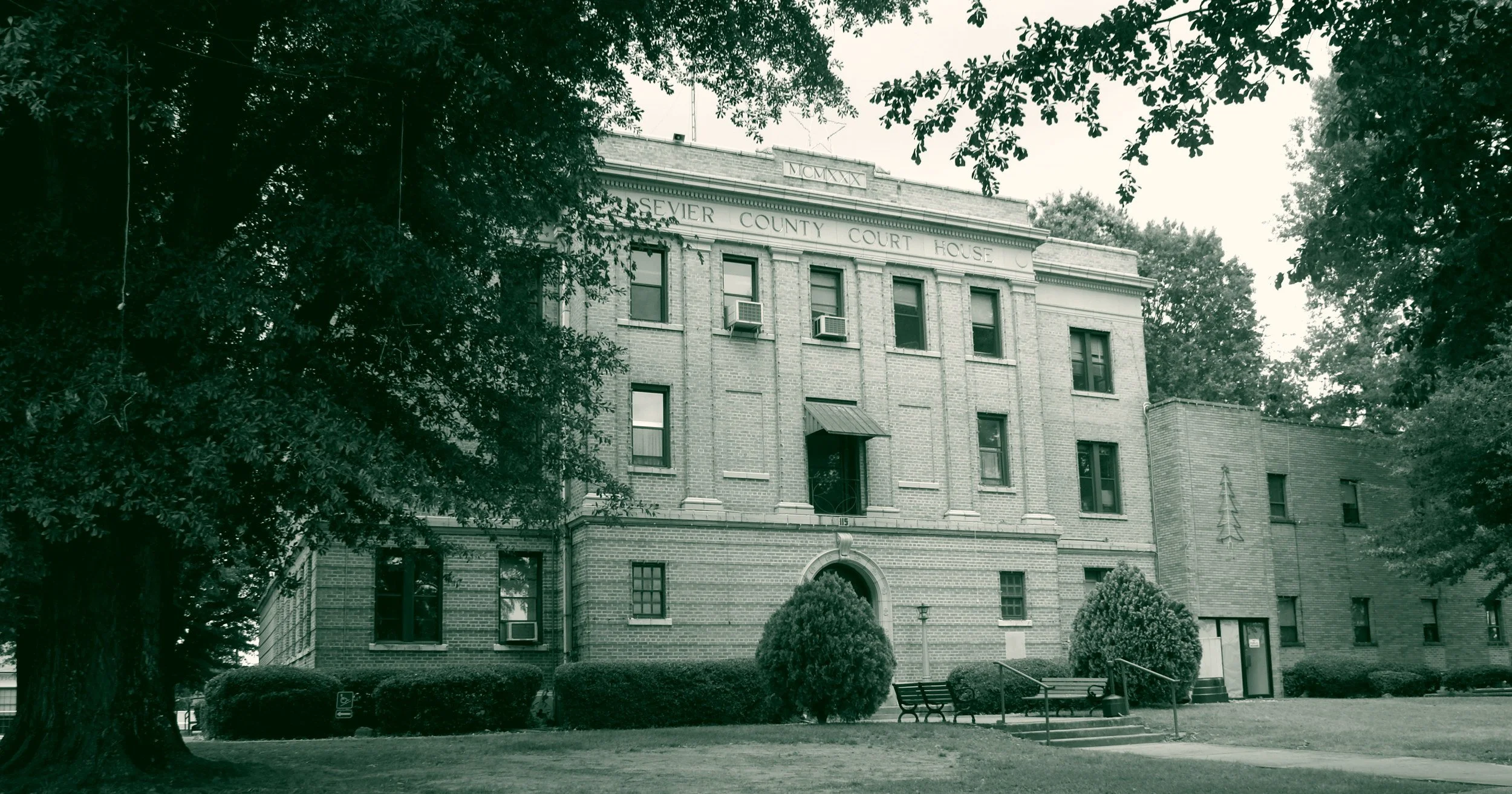
Jail-Based Recovery and Reentry Program
Recidivism sits near 18% for Sevier County, AR's sheriff-led RSAT program, against a roughly 42% state average, on about $372K a year in settlement funds.

Safe and Healthy Macomb: Countywide Opioid Response
Macomb County, MI cut six-month recidivism 12% for jail MAT participants by steering $19.3M in opioid settlement funds to gaps across a countywide portfolio.
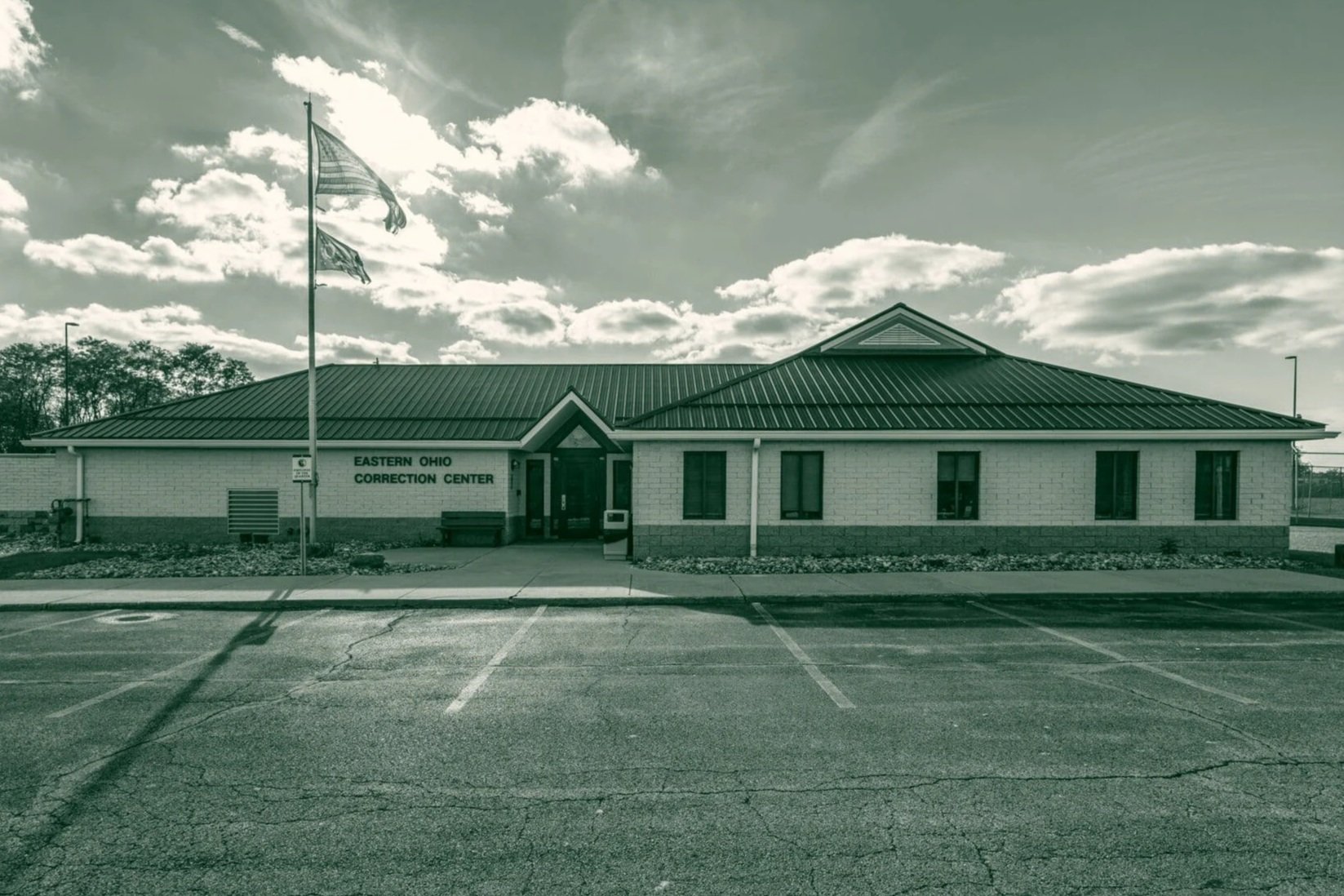
Eastern Ohio Correction Center: MAT & Aftercare
Eastern Ohio Correction Center launched MAT and aftercare for ~340 incarcerated people a year across nine Appalachian counties for $199,721.