Opioid Settlement Case Studies: Real Programs, Budgets & Outcomes
This library documents how communities across the country are using opioid settlement and abatement funds to expand prevention, treatment, recovery, and overdose prevention services. Each case study profiles a single program in a single jurisdiction and details its funding, partners, design, and outcomes, from same-day buprenorphine care in Burlington, Vermont, to a rural walk-in recovery center in Walker County, Alabama.
Use the filters to sort by settlement category, service type, population served, community type, state, and budget range, then open any profile to review the budget, results, and lessons learned. Each model is presented as a reference point rather than a prescription, so you can adapt the elements that fit your community's needs and capacity.

Prenatal Care and Addiction Medicine on One Team
10 to 12 pregnant clients at a time get prenatal care, addiction medicine and peer support from one team in Reno, Nevada, on $445K a year in settlement funds.
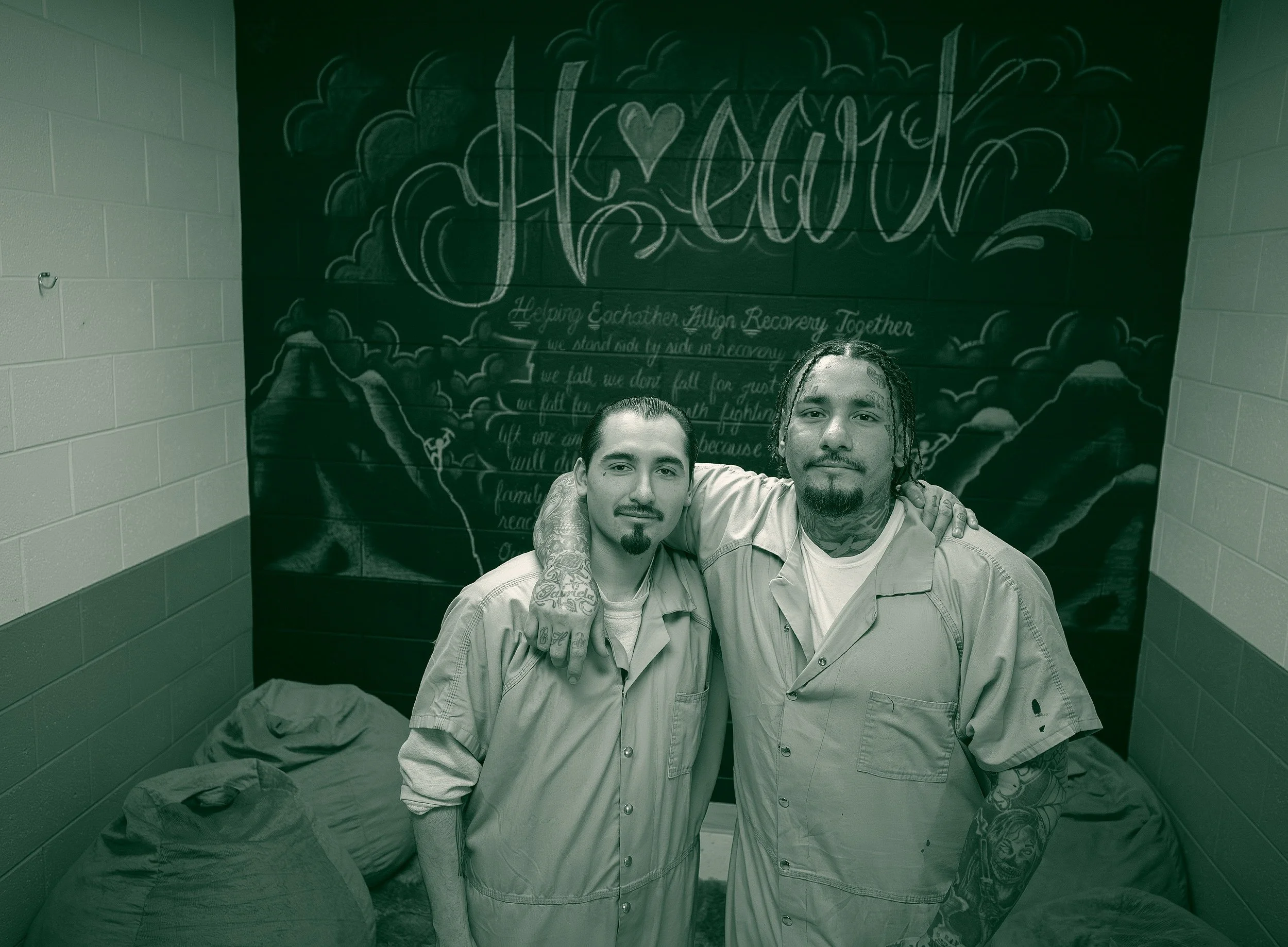
HEART: Treatment That Follows People Into Custody
37 people in a northwest Virginia regional jail keep their opioid medication from the day they are booked, with counseling, peer support and groups inside.

Family Recovery Housing Preventing Foster Care Placement
Six townhomes in Lakewood, CO house whole families for a year of treatment and family therapy, keeping children out of foster care while a parent recovers.

Continuum of Care Recovery for Justice-Involved Adults
The Shoulder runs an Alabama continuum that carries justice-involved adults from residential treatment through recovery, housing, and employment.
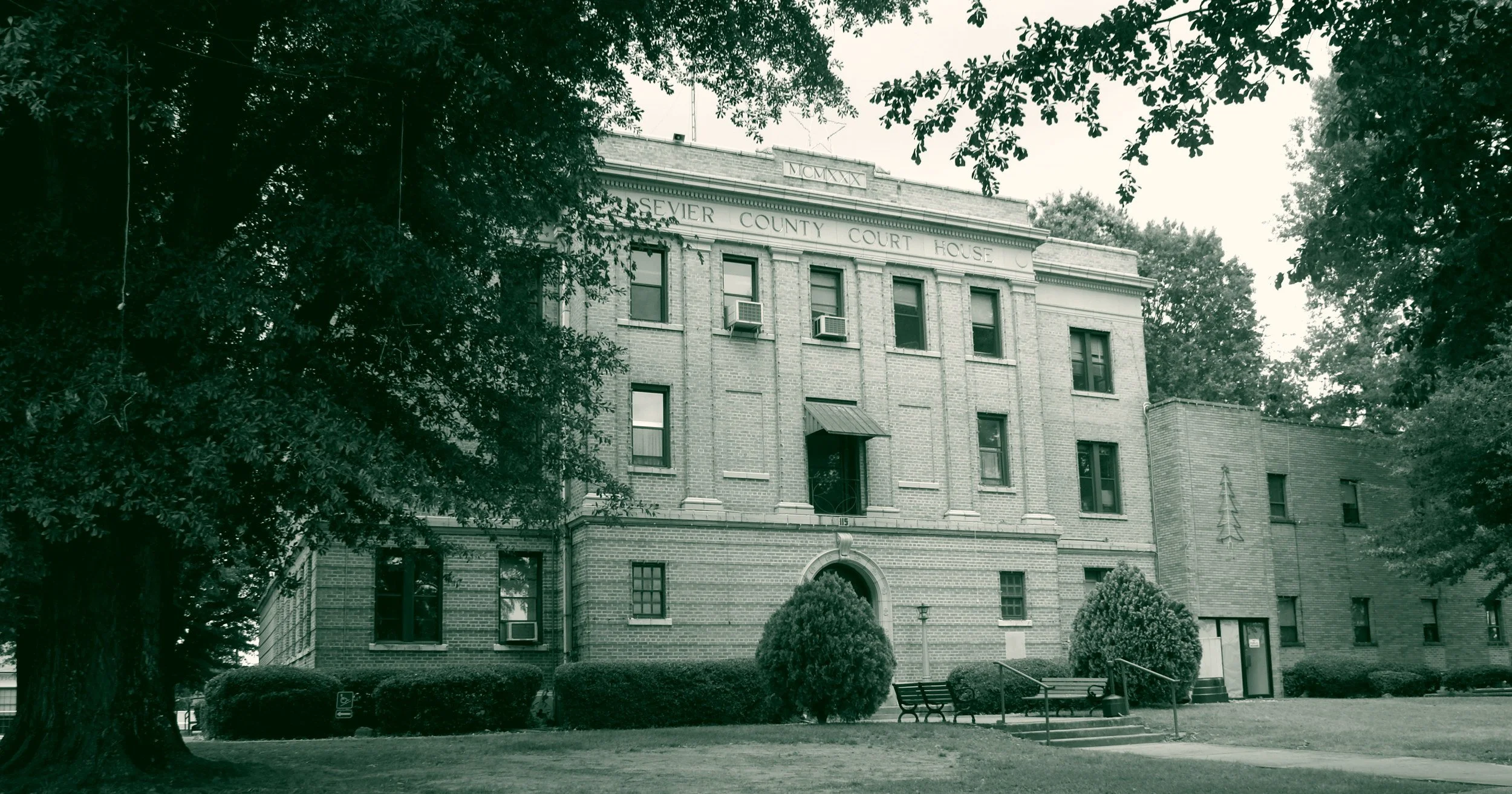
Jail-Based Recovery and Reentry Program
Recidivism sits near 18% for Sevier County, AR's sheriff-led RSAT program, against a roughly 42% state average, on about $372K a year in settlement funds.

Barrier Reduction for Homelessness
836 people leaving treatment moved into sober living homes across 20 Kansas counties through Mirror, Inc.'s weekly move-in assistance, all on a $280K award.
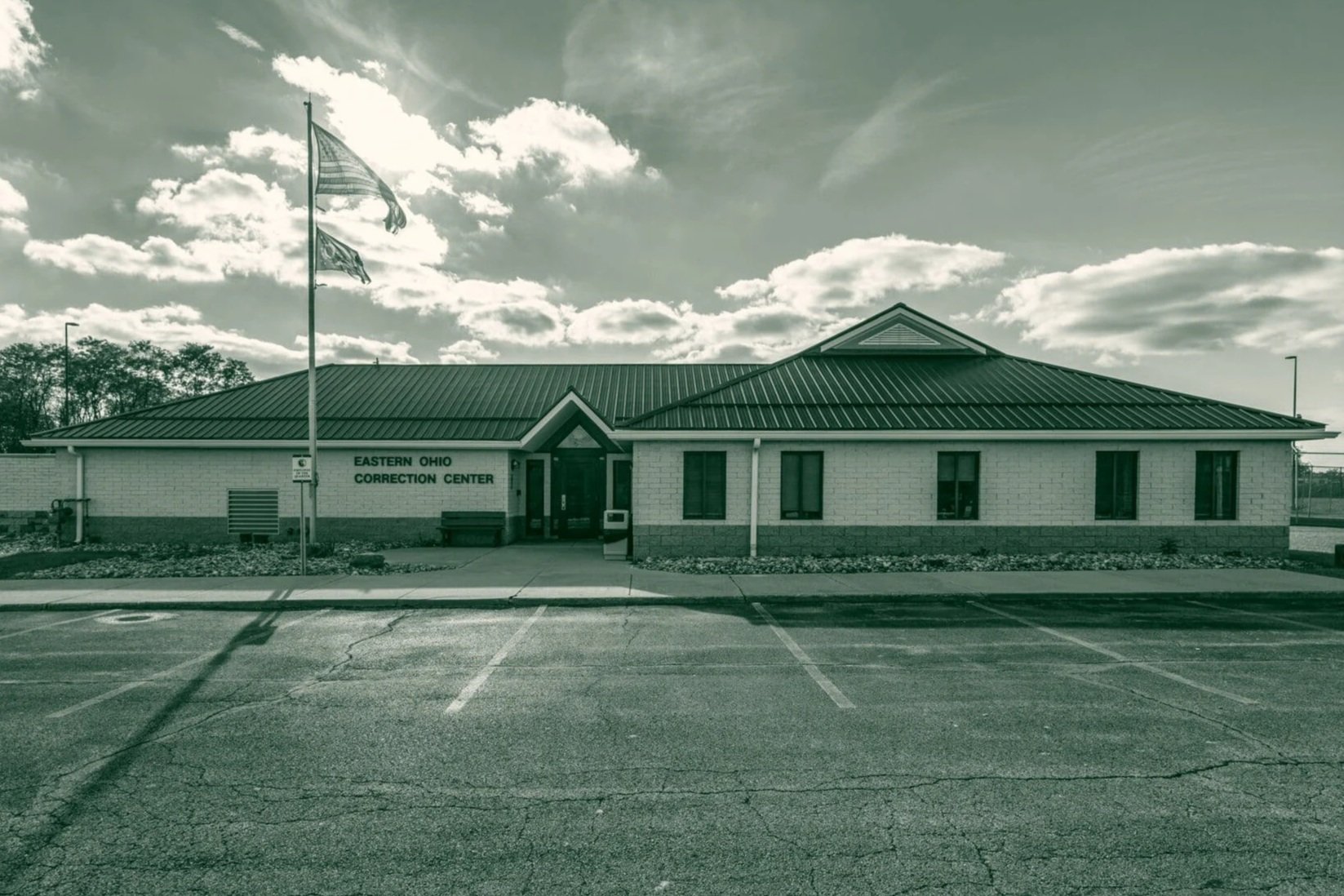
Eastern Ohio Correction Center: MAT & Aftercare
Eastern Ohio Correction Center launched MAT and aftercare for ~340 incarcerated people a year across nine Appalachian counties for $199,721.
Pathways to Progress: Residential Recovery Expansion
In Champaign-Urbana, IL, a single renovation expanded entry-level recovery capacity 40% and reserved 10 of 26 beds for opioid-impacted adults, on a $580,000 settlement grant.
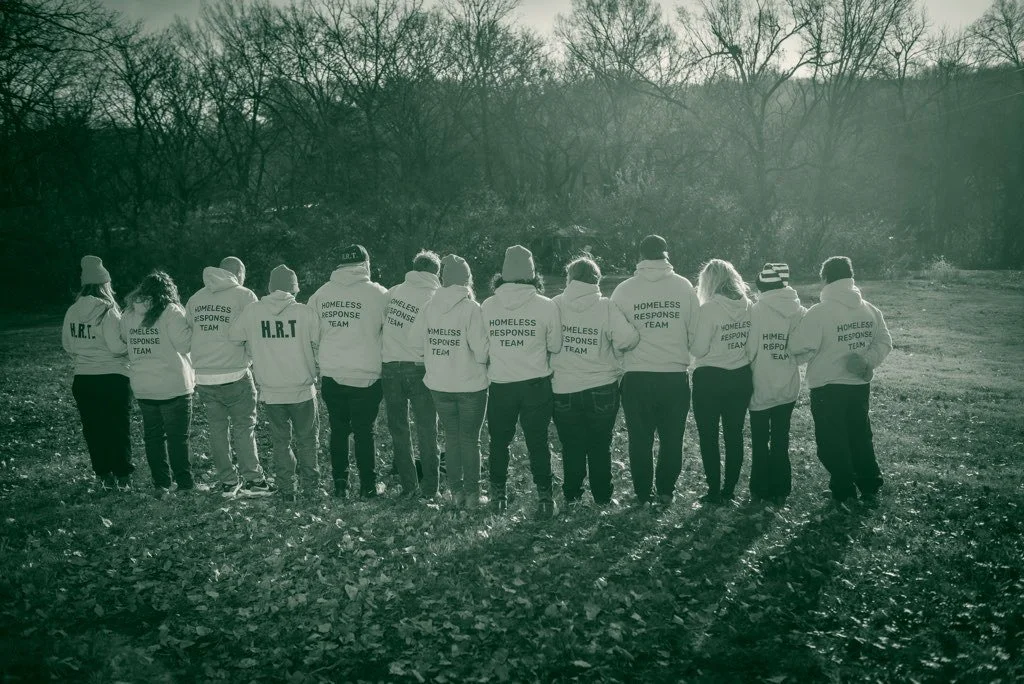
Multidisciplinary Homeless Response Team
Lawrence, KS cut unsheltered homelessness from 200+ to under 20 with a six-person peer-led street outreach team, catalyzed by a $200K opioid settlement award.