Opioid Settlement Case Studies: Real Programs, Budgets & Outcomes
This library documents how communities across the country are using opioid settlement and abatement funds to expand prevention, treatment, recovery, and overdose prevention services. Each case study profiles a single program in a single jurisdiction and details its funding, partners, design, and outcomes, from same-day buprenorphine care in Burlington, Vermont, to a rural walk-in recovery center in Walker County, Alabama.
Use the filters to sort by settlement category, service type, population served, community type, state, and budget range, then open any profile to review the budget, results, and lessons learned. Each model is presented as a reference point rather than a prescription, so you can adapt the elements that fit your community's needs and capacity.

Walk-In Recovery Centers Across Seven Rural Counties
More than 6,000 people walked into a Lee County, KY recovery center since 2022, and the model now runs across seven rural counties on $865K in settlement awards.

Practical Needs First at a Peer-Run Recovery Hub
622 people reached detox, treatment and sober living in one year, sent by peers at a Jonesboro, AR drop-in center built on a $250,000 settlement award.
Recovery-Friendly Workplace Certification for Employers
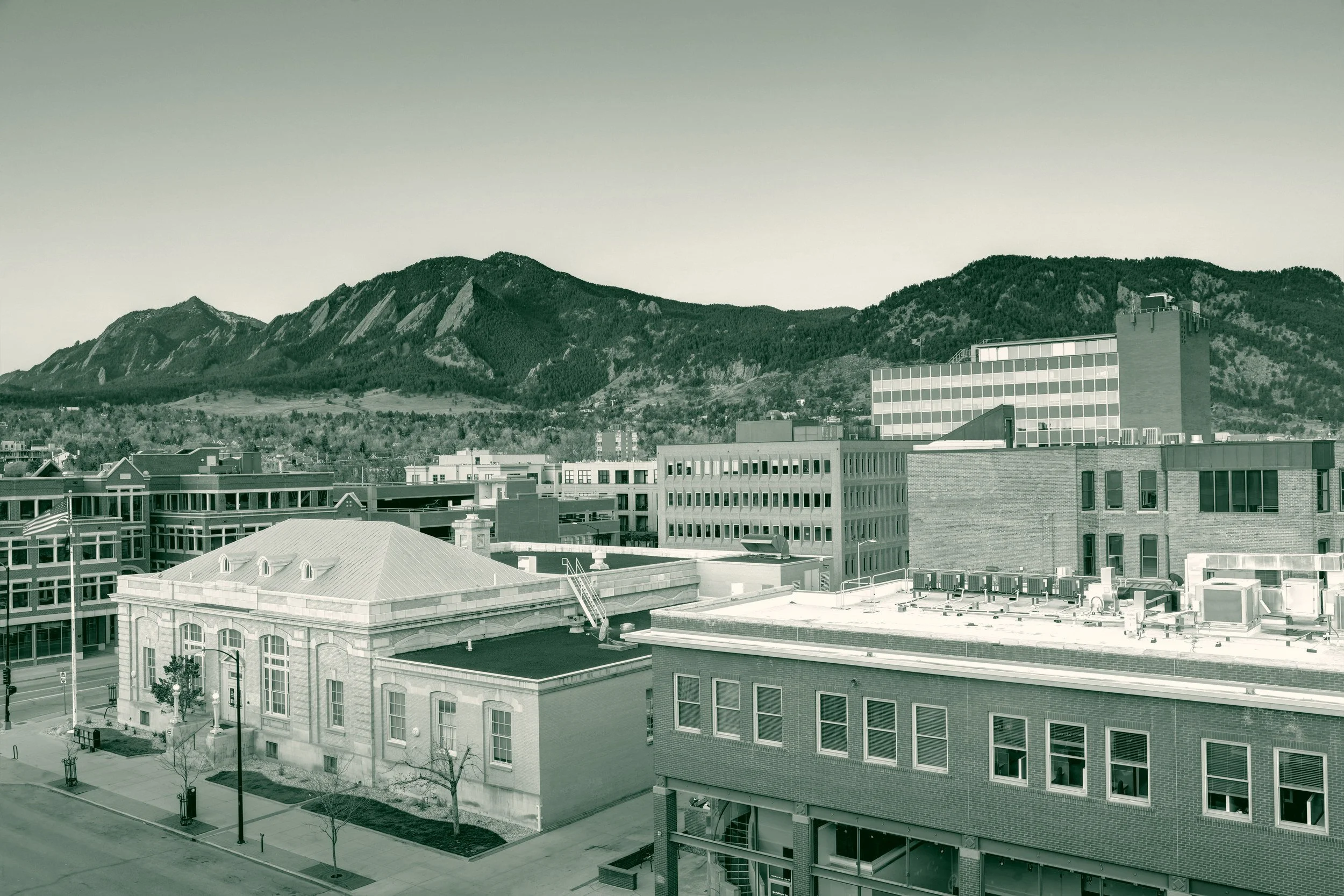
124 employers across 25 Colorado counties signed on to a recovery-friendly certification, built on a $500,000 opioid settlement infrastructure award.

Free Take-Home Naloxone at Emergency Departments
54 Virginia emergency departments now hand patients a free naloxone kit at discharge, with settlement funds covering the one cost no payer reimburses.

Peer-Led Jail Recovery with Free Outpatient Handoff
80% of participants in a rural northwest Kansas jail class were still in recovery a year later, on $500,000 in opioid settlement awards across two cycles.

Centralized Tracking for Multi-Department Settlement Spending
Santa Clara County, CA puts every internal request for its $89M in opioid settlement funds through a grant-style review, tracked in one shared system.
Free App for Naloxone Response and Overdose Reporting
A free Arkansas app walks bystanders through naloxone in English, Spanish, and Marshallese and logs the save, built for $296,000 and $8,750 a year to run.
Shared Overdose Response Team for Small Police Agencies
Pulaski County, AR shares one overdose team with five small police agencies, pairing a source investigator with a peer, on a $369,824 settlement award.
The Recovery Den: Rural Walk-In Center
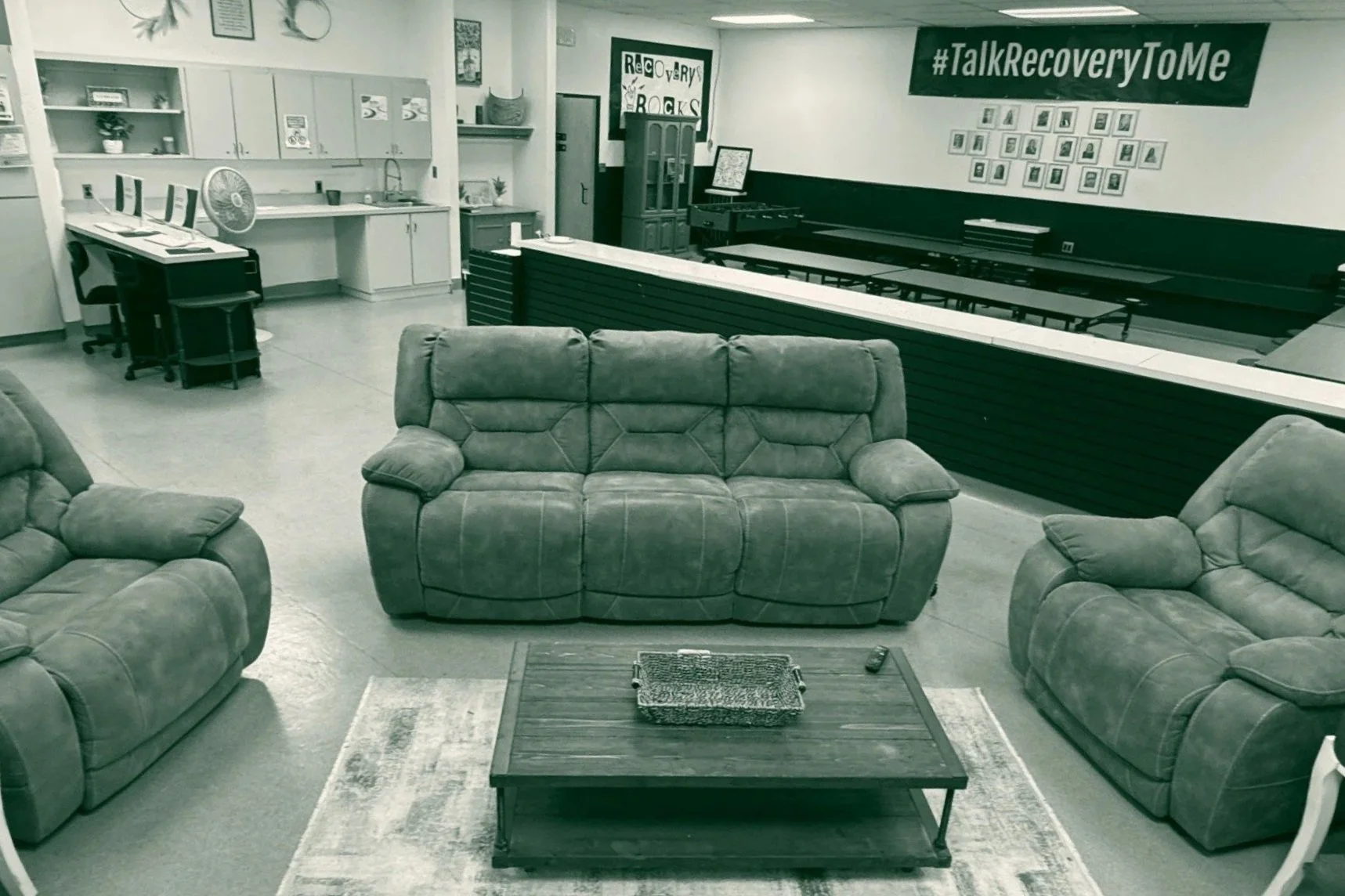
Peer mentors in Walker County, AL logged 2,498 service visits in 2025 at a walk-in recovery center that runs on a $150K settlement award, no appointment needed.

Police-Led Youth Drug Prevention Curriculum
27 of 28 Virginia Beach school resource officers now teach the LEAD drug prevention curriculum in local classrooms, funded entirely by a $140K settlement award.
Community-Guided Opioid Settlement Administration
Montgomery County, MD built settlement spending to last: a dedicated division, three competitive grant cycles, and funding substantiated for at least 18 years.
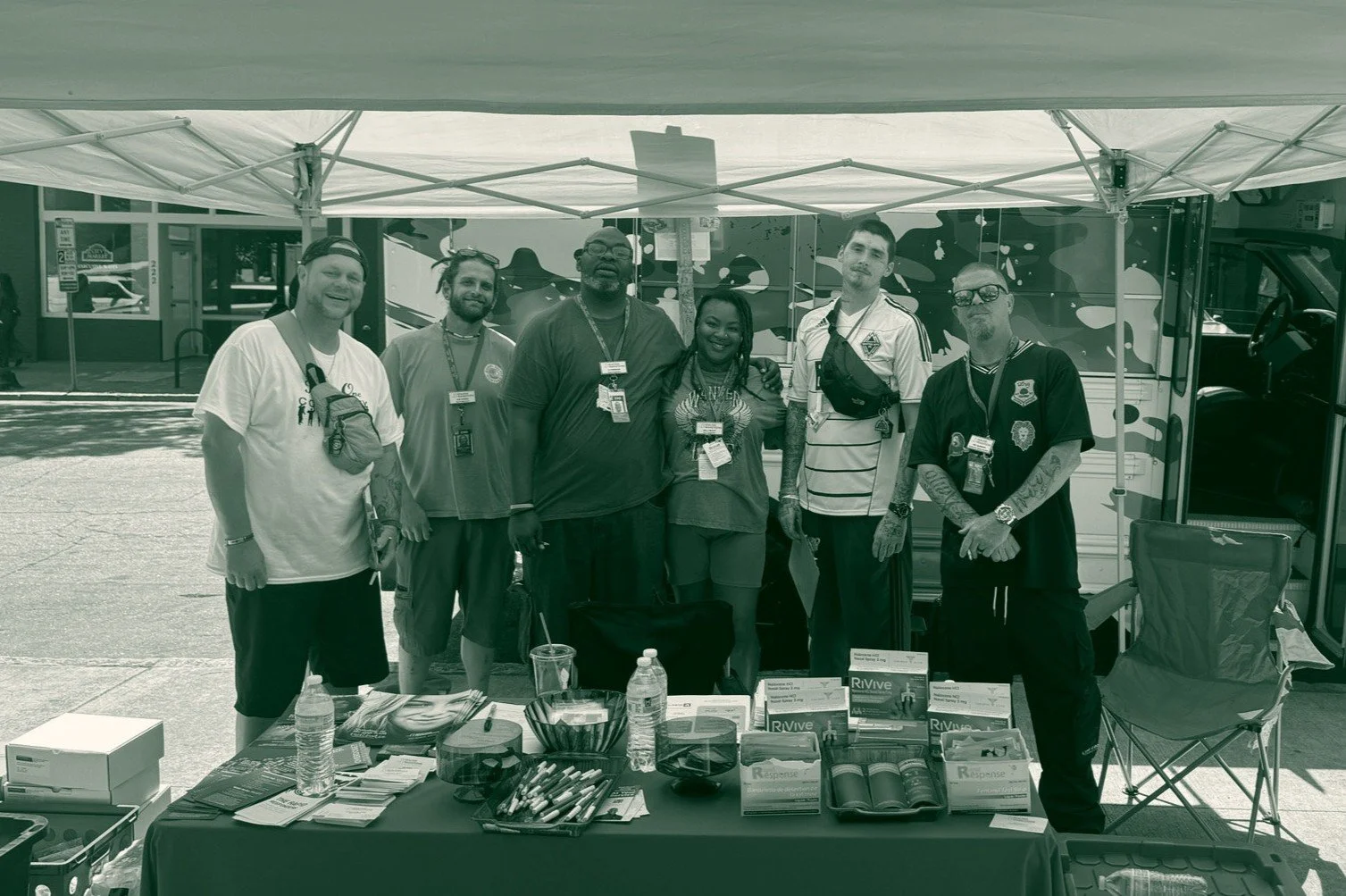
Rapid Responders & Community Programs Continuum
In Wake County, NC, Healing Transitions sends peer and EMS responders to overdose survivors within 24 to 72 hours, when re-engagement is most likely.
Campus Naloxone Training and Peer Recovery Model
In two years, the University of Central Arkansas trained 874 people in overdose response and served 294 through peer recovery, on a $202K settlement award.
Safe and Healthy Macomb: Countywide Opioid Response
Macomb County, MI cut six-month recidivism 12% for jail MAT participants by steering $19.3M in opioid settlement funds to gaps across a countywide portfolio.
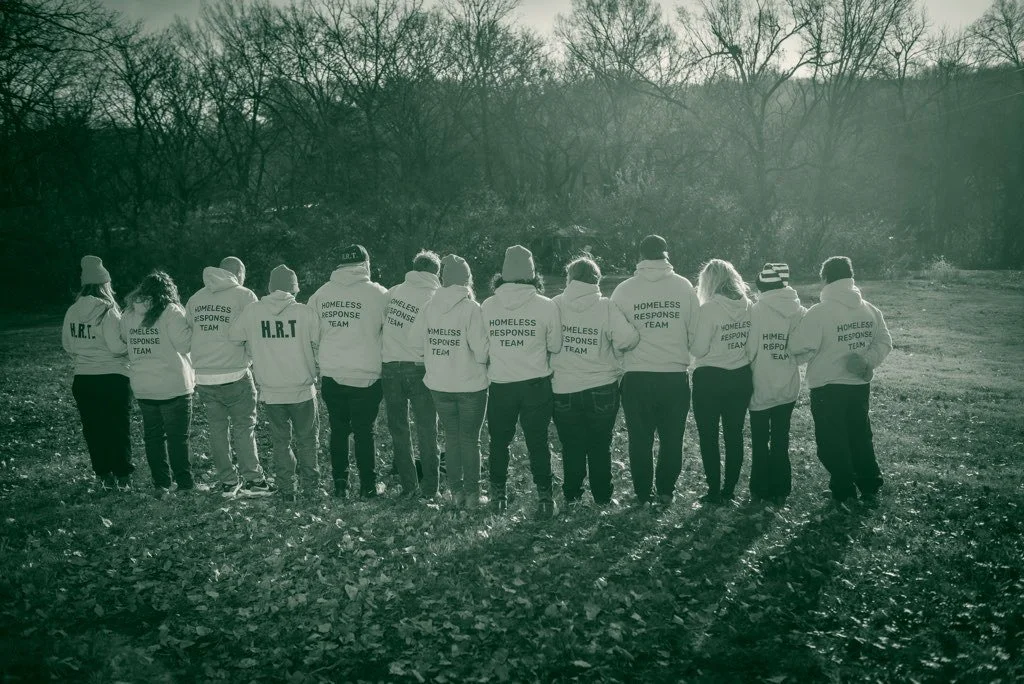
Multidisciplinary Homeless Response Team
Lawrence, KS cut unsheltered homelessness from 200+ to under 20 with a six-person peer-led street outreach team, catalyzed by a $200K opioid settlement award.