Opioid Settlement Case Studies: Real Programs, Budgets & Outcomes
This library documents how communities across the country are using opioid settlement and abatement funds to expand prevention, treatment, recovery, and overdose prevention services. Each case study profiles a single program in a single jurisdiction and details its funding, partners, design, and outcomes, from same-day buprenorphine care in Burlington, Vermont, to a rural walk-in recovery center in Walker County, Alabama.
Use the filters to sort by settlement category, service type, population served, community type, state, and budget range, then open any profile to review the budget, results, and lessons learned. Each model is presented as a reference point rather than a prescription, so you can adapt the elements that fit your community's needs and capacity.

Training Community Members for Frontline Behavioral Health Roles
Five cohorts drew trainees from 13 Kansas counties, teaching community health workers the mental health and addiction skills other courses leave out.
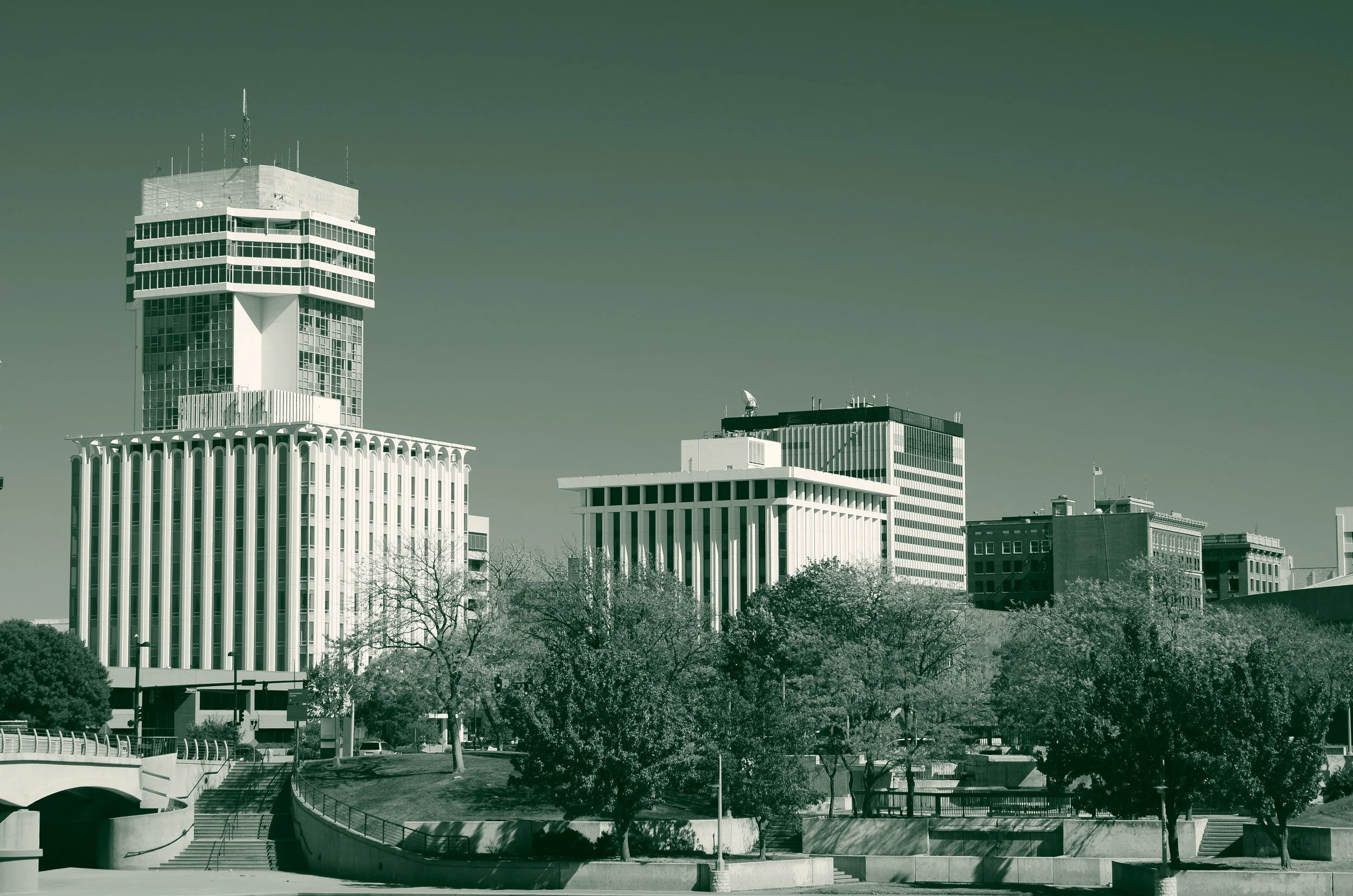
Preparing Physicians to Treat Addiction
A $199,929 grant asked 1,480 Wichita physicians what blocks addiction care, built the training they named, and opened Wichita's first addiction fellowship.
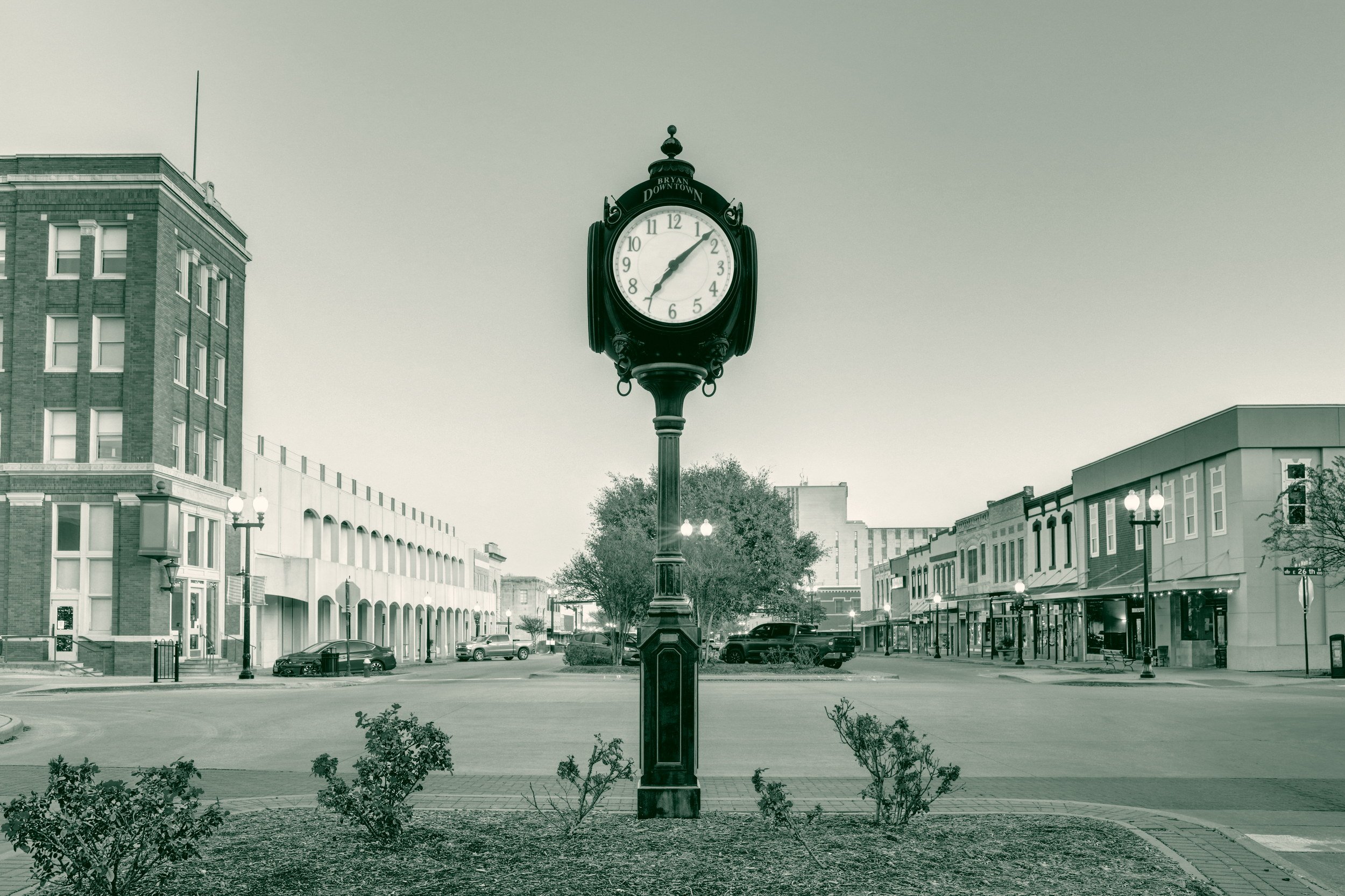
Youth Mentoring as Substance Use Prevention
99% of referred children have an adverse experience; College Station, TX answered by steering a $95,000 settlement award into a proven mentoring model.
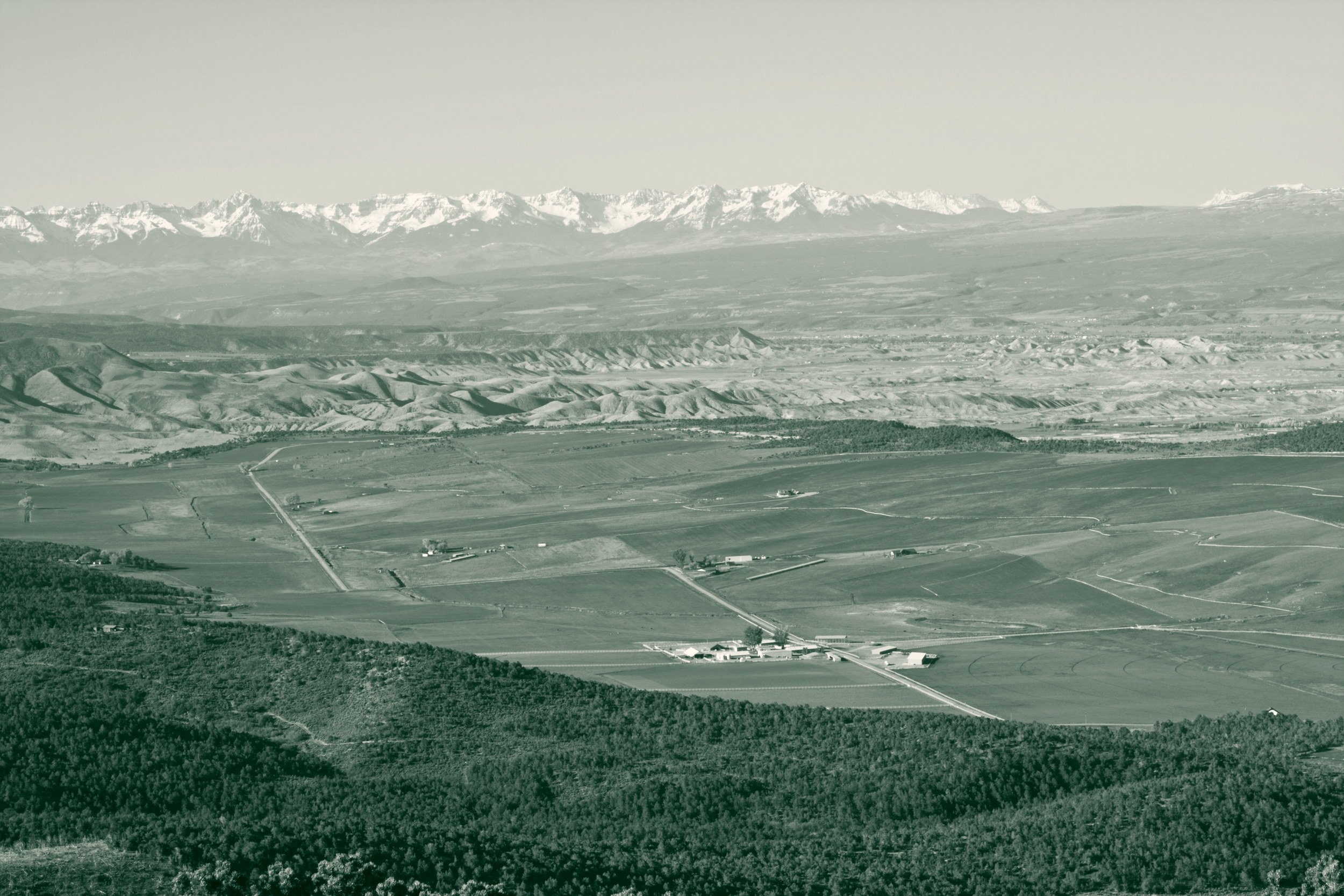
Funded Fellowships to Grow a Rural Behavioral Health Workforce
Western Colorado University pays tuition for 6 to 8 graduate fellows a year to run prevention projects in Gunnison County, CO, on a $216,600 settlement award.
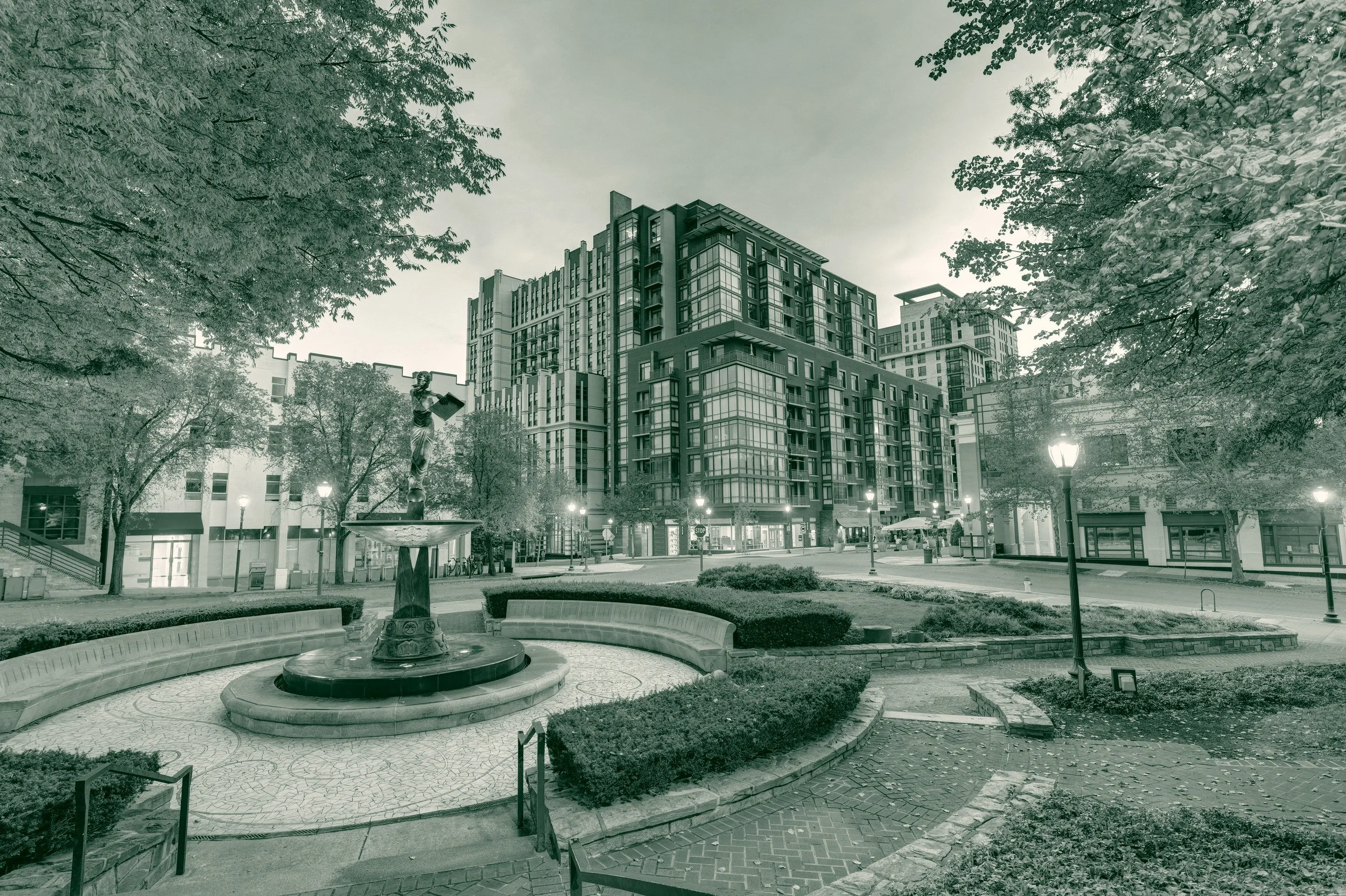
Community-Guided Opioid Settlement Administration
Montgomery County, MD built settlement spending to last: a dedicated division, three competitive grant cycles, and funding substantiated for at least 18 years.
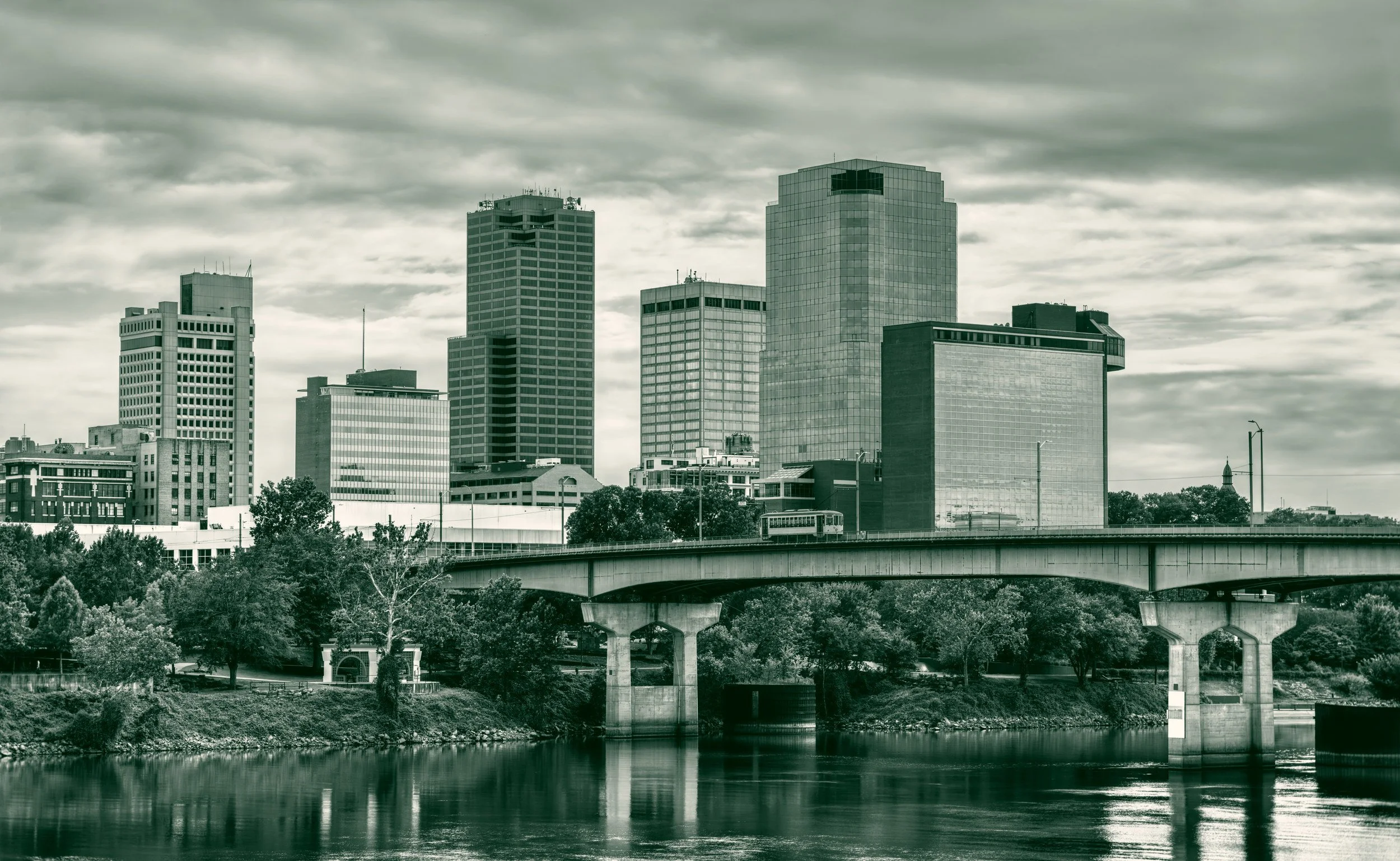
Youth Success Center for Prevention and Family Stabilization
Carter's Crew reached 5,000+ Arkansas youth in 2024 and is converting a 27,000-square-foot former school into a one-stop prevention and recovery hub for families.
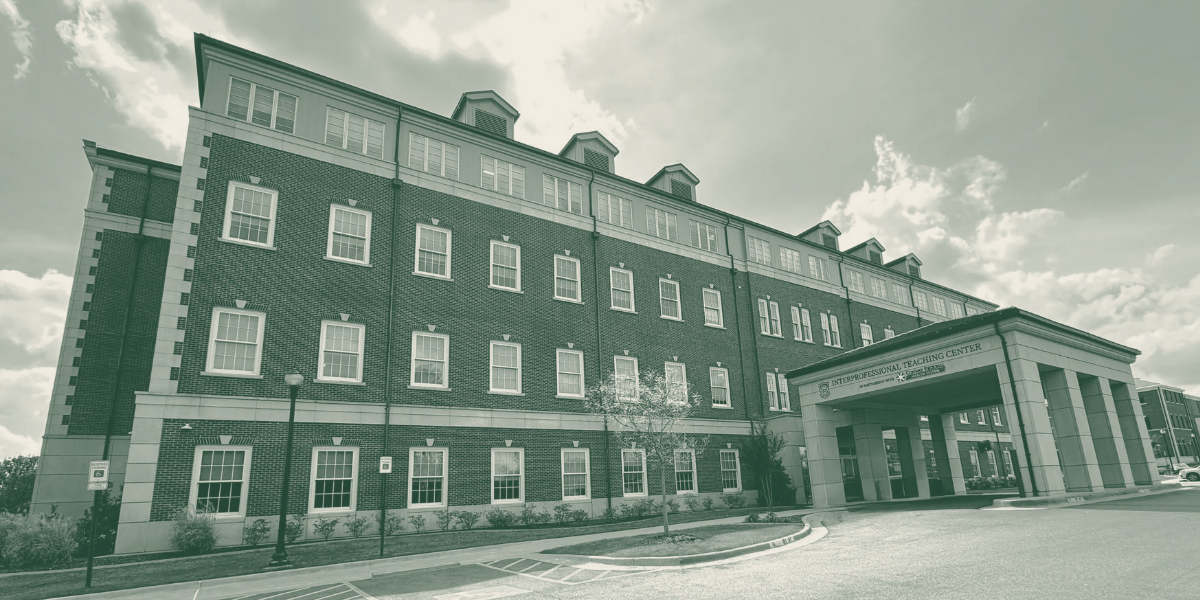
Campus Naloxone Training and Peer Recovery Model
In two years, the University of Central Arkansas trained 874 people in overdose response and served 294 through peer recovery, on a $202K settlement award.
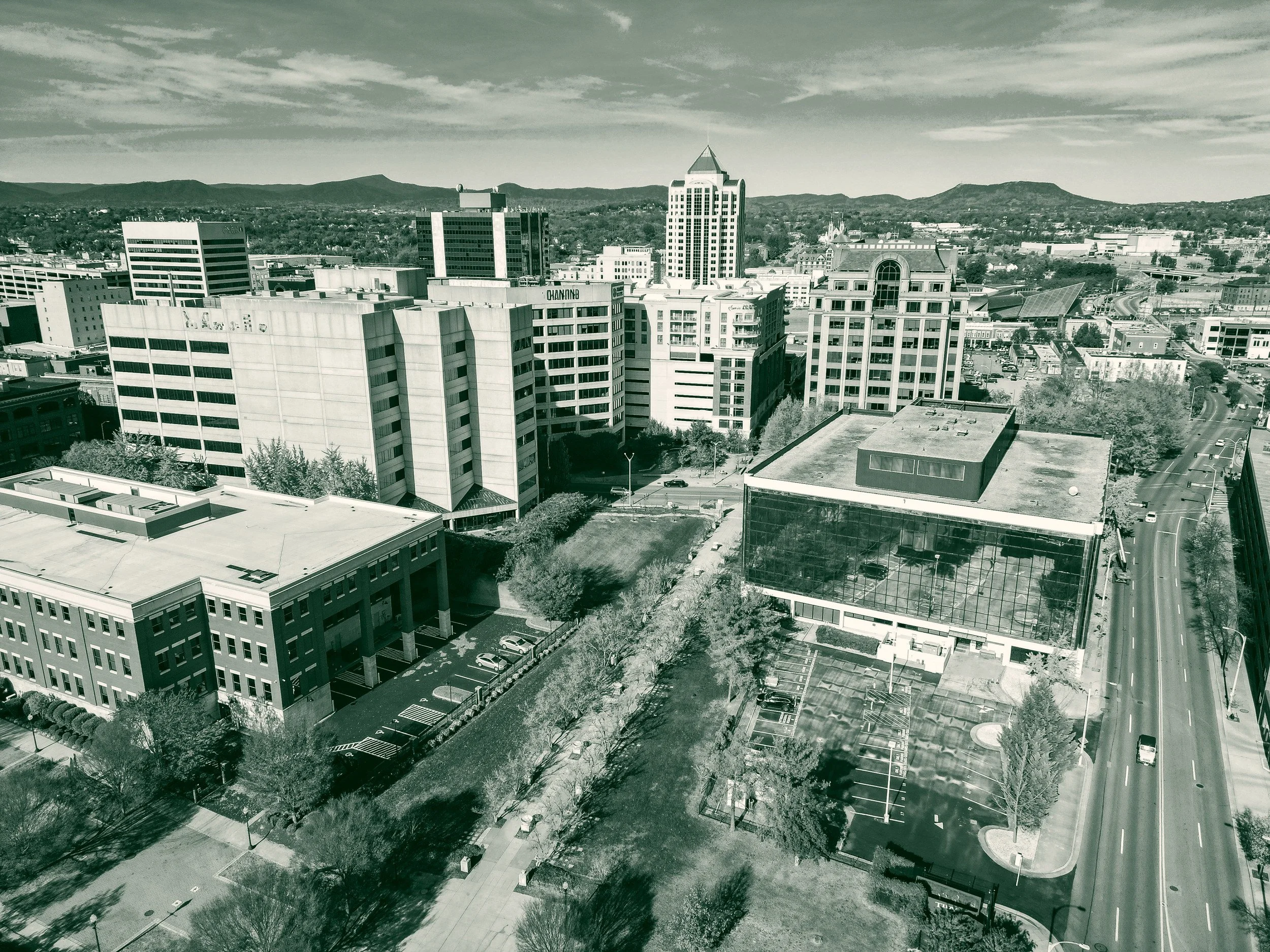
Emergency Departments as Bridges to Recovery
82% of ER patients linked to follow-up care in the first year, and 7 Virginia health systems are adopting the model through a free toolkit built on a $150K award.

First Responder Confidential Support Program
Rhode Island police officers and their families made 10 to 12 confidential helpline calls a week within two months of launch, on $200K over two years.
Coalition Building for Prevention Funding
7 of 13 rural Arkansas coalitions won federal Drug Free Communities grants worth $13.1 million, all built on a $325,000 opioid settlement investment.
Pathways to Progress: Residential Recovery Expansion
In Champaign-Urbana, IL, a single renovation expanded entry-level recovery capacity 40% and reserved 10 of 26 beds for opioid-impacted adults, on a $580,000 settlement grant.