LIGHT Program for Justice-Involved Adults
A Peer-Led Pathway for Faster Assessment and Recovery in a Justice-Involved Community
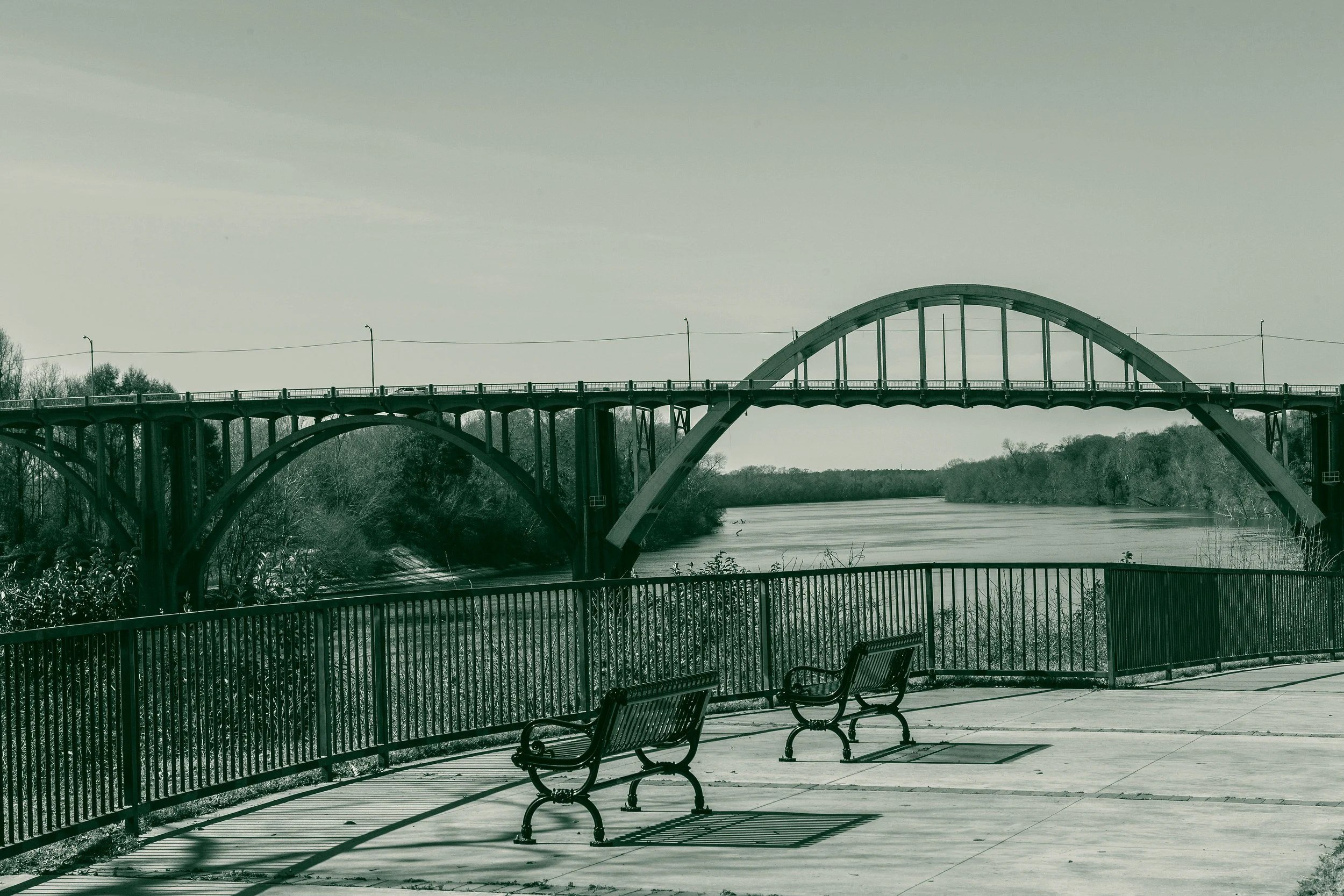
Rise and Recover, a Selma-based nonprofit serving justice-involved people and their families for more than a decade, built the LIGHT Program in 2025 to cut the wait between arrest and substance use assessment from six weeks down to 72 hours, pair every participant with a certified peer advocate, and deliver recovery support to nonviolent justice-involved adults.
The Challenge They Were Addressing
For more than a decade, Rise and Recover, formerly Dallas County Court Services, has served justice-involved residents of Selma and Dallas County through treatment courts and one-stop referral support. Even with that infrastructure in place, one gap kept showing up: the wait between arrest and substance use assessment. People sat in jail for six weeks or more before they could be assessed, and by then the window for an early, voluntary off-ramp into treatment had closed.
A second gap was in who the agency was funded to serve. Rise and Recover had built its model around court-referred clients and grant-funded slots, meaning that residents who were not justice-involved or who needed help before a court case opened often had nowhere local to start. Families would call asking how to get a loved one assessed, and staff did the work informally, without dedicated funding. The agency wanted to formalize that pathway and extend it to more people.
The 2023 tornado, which damaged more than 80 percent of the community, sharpened the urgency. The local jail was destroyed and has not been rebuilt. People who would have been held in Selma are now housed in a facility roughly 30 minutes away, which adds transportation, workforce, and timing pressure to every assessment, treatment appointment, and mental health visit. The community needed an approach that could move people from incarceration to assessment to recovery services quickly, with a peer beside them and a curriculum built for the justice-involved adults the program serves.
What They Built
The LIGHT Program is a peer-led recovery support pathway serving up to 350 nonviolent justice-involved adults per year. A full-time LIGHT advocate, a certified peer hired in early 2026, manages the intake-to-services pipeline. Referrals flow primarily from the court, with additional referrals from the jail, family members, and individuals who walk into the office on their own.
When a referral comes in, the team begins with a screening tool: UNCOPE for adults, CRAFFT for youth. Based on the screen, the participant is routed to a substance use assessment scheduled within 72 hours, far ahead of the six-week timeline the community had grown used to. The team coordinates Wi-Fi access, helps download Zoom or Teams when needed, and walks participants through every step of the intake. A risk assessment and needs assessment follow, along with the initial drug screen, which together determine eligibility and shape the participant's case plan.
Recovery support is layered on individual priorities. A participant might tell the team that food, not housing, is the most urgent issue. The team then connects the person to SNAP, an emergency food source, or a community partner before moving to longer-term services. Participants with inpatient treatment needs are referred outside the county, because Selma has no inpatient facility; Aletheia House provides the primary outpatient and longer-term recovery pathway in the area. Mental health assessments are scheduled with Cahaba Mental Health, the local provider, and the sheriff's office transports incarcerated participants to and from those appointments, even though the jail itself is now 30 minutes away.
A central piece of the LIGHT design is the HEAT curriculum (Habilitation, Empowerment, Accountability, Therapy), an evidence-based program designed for emerging adults and adults at the intersection of justice involvement and substance use. HEAT sessions, including "The High Cost of Low Living," walk participants through the financial toll of repeated DUIs, court costs, attorney fees, and lost wages alongside the personal toll. Rise and Recover layers in journals from The Change Companies as supplemental tools when needed.
Key Program Components
Who You Need at the Table
What made a willing partner essential vs. optional?
The required partners are the ones who can keep a participant moving when timing matters. The District Attorney is one of the clearest examples: when prosecution, defense, and the bench are aligned in advance of a hearing, the judge can confidently weigh public safety against a treatment-based disposition. When those conversations happen on the record without prior coordination, the program loses the speed and predictability that make a 72-hour pathway possible. The sheriff's office plays a similarly essential role, particularly after the 2023 tornado: transporting participants 30 minutes each way to mental health and treatment appointments requires real buy-in on staff time, fuel, and vehicle wear, and the agency has continued that commitment even as the jail function moved out of the county.
Treatment partners are the second piece. Aletheia House and Cahaba Mental Health give the LIGHT pathway a place to land. Without an outpatient provider willing to accept referrals promptly and a mental health provider willing to schedule assessments without long delays, the 72-hour goal becomes a 72-hour promise that no one can keep. Helpful partners, including local government and the regional conference circuit, expand visibility and create the conditions for future funding, but the program could open its doors without them. It could not open without the courts, the sheriff, and the treatment providers.
Budget Breakdown
What is the minimum viable budget to replicate this?
A smaller program running this model can operate at roughly $75,000 to $100,000 per year if housed within an existing agency with existing court relationships. The non-negotiable line item is one full-time peer advocate with the credentials to screen, assess intake-level need, and coordinate treatment referrals. Existing agency staff can absorb administration, supervision, and case coordination. Curriculum costs are modest, and treatment services flow through community providers under their own reimbursement structures. The model becomes financially harder to replicate without that anchor peer position, because the speed of the 72-hour assessment depends on one person managing the pipeline.
What Worked and Why
Specific decisions or design features that drove success
Compressing the assessment timeline from six weeks to 72 hours was the single most consequential design decision. By securing a partner who could turn assessments around in three business days, Rise and Recover reshaped the entire downstream pathway. People stop losing the window for voluntary treatment. Cases stop stalling due to a lack of clinical information. Courts can act more quickly, and participants spend less time incarcerated waiting for paperwork.
Hiring a certified peer as the LIGHT advocate was a deliberate cultural decision. The team never treated it as a routine administrative hire. The advocate shares the experience of justice involvement and recovery with the people the program serves. Participants disclose more in the first meeting because the person across from them is not asking from outside their world. Building a program around that role, rather than treating it as a hire-of-convenience, is what gives the front door its credibility.
The team chose HEAT because it was built for emerging adults, which matched the population the program serves. Sessions like "The High Cost of Low Living" translate the cost of substance use into concrete dollars: attorney fees, court costs, jail days, missed work. That framing connects in a community where the financial consequences of repeated involvement are immediate and visible.
Building on a 15-year operational base shortened every ramp. Rise and Recover already had court credibility, treatment partners, a one-stop referral practice, and an Executive Director with 19 years of field experience. The opioid settlement award did not have to fund relationship-building, advocacy training, or the design of court protocols. It funded the missing piece: a dedicated peer advocate to accelerate the pipeline.
Designing the program to extend beyond the court docket changed who could be served. The agency had been informally helping non-justice-involved community members for years, without funding. The LIGHT Program formalized that pathway. A parent calling about a teenager who smells of marijuana at school, an adult with a co-occurring diagnosis but no open case, or a family member trying to get a loved one assessed can now access the LIGHT pipeline through the same front door.
Early outcomes and data
Assessment turnaround compressed from six weeks or more to a 72-hour target, in place from the program's first month of operation in April 2026.
First-year goal of serving 350 people through the LIGHT pathway; Rise and Recover overall continues to serve approximately 250+ people per year through related programming.
Full-time LIGHT advocate hired (certified peer); peer staffing model in place from launch.
HEAT curriculum operational, including the session "The High Cost of Low Living."
Sheriff's office continues to provide cross-county transport (approximately 30 minutes each way) to mental health and treatment appointments after the 2023 tornado destroyed the local jail.
Readiness assessment in development with local counselors to better match service intensity to a participant's stage of change.
Annual outcome metrics planned: participants screened, participants completing assessment within 72 hours, participants connected to treatment, participants connected to housing or employment, court dispositions including treatment, and qualitative success stories tracked alongside quantitative service counts.
Lessons Learned
Expect a five- to six-month gap between award notice and first dollar. Rise and Recover was notified of the award in November 2025 and received funds in April 2026. Contracting, documentation, and signatures consumed the months in between. A realistic first-year plan accounts for that gap by delaying hiring announcements, planning interim staffing coverage, and timing community outreach so the program is ready to receive referrals the week funds arrive.
Apply early and apply broadly. The opioid settlement opportunity surfaced through a state agency conversation at a community conference. Programs that build a habit of applying to every relevant funding stream, even smaller philanthropic and state opportunities, position themselves to braid resources around participant needs that no single award would cover on its own.
Treat the basic-needs front door as a core service. A participant who arrives without having eaten that day cannot fully engage in a two-hour intake. The team built same-day responses for food, hygiene, identification, and transportation into the LIGHT pathway because skipping that layer means losing people before treatment ever begins. People over paperwork is the operating rule.
Build a readiness-to-change framework early. Arrest is rarely the precise moment a person is ready to change. The team is building a readiness assessment with local counselors so the LIGHT pathway can match intensity to a participant's actual stage of change, rather than assuming the criminal justice event is the right inflection point.
Plant the program in the community through champions, not flyers. Sheriff endorsement, court endorsement, and visible community recognition do more for participation than any marketing piece. Paying for community speakers, conference presence, and graduate testimonials builds a referral pipeline that survives staff turnover and budget cycles.