Student-Led Prevention on a Year-Round Rural Calendar
A Youth-Led, Adult-Guided Council Spanning Four School Systems
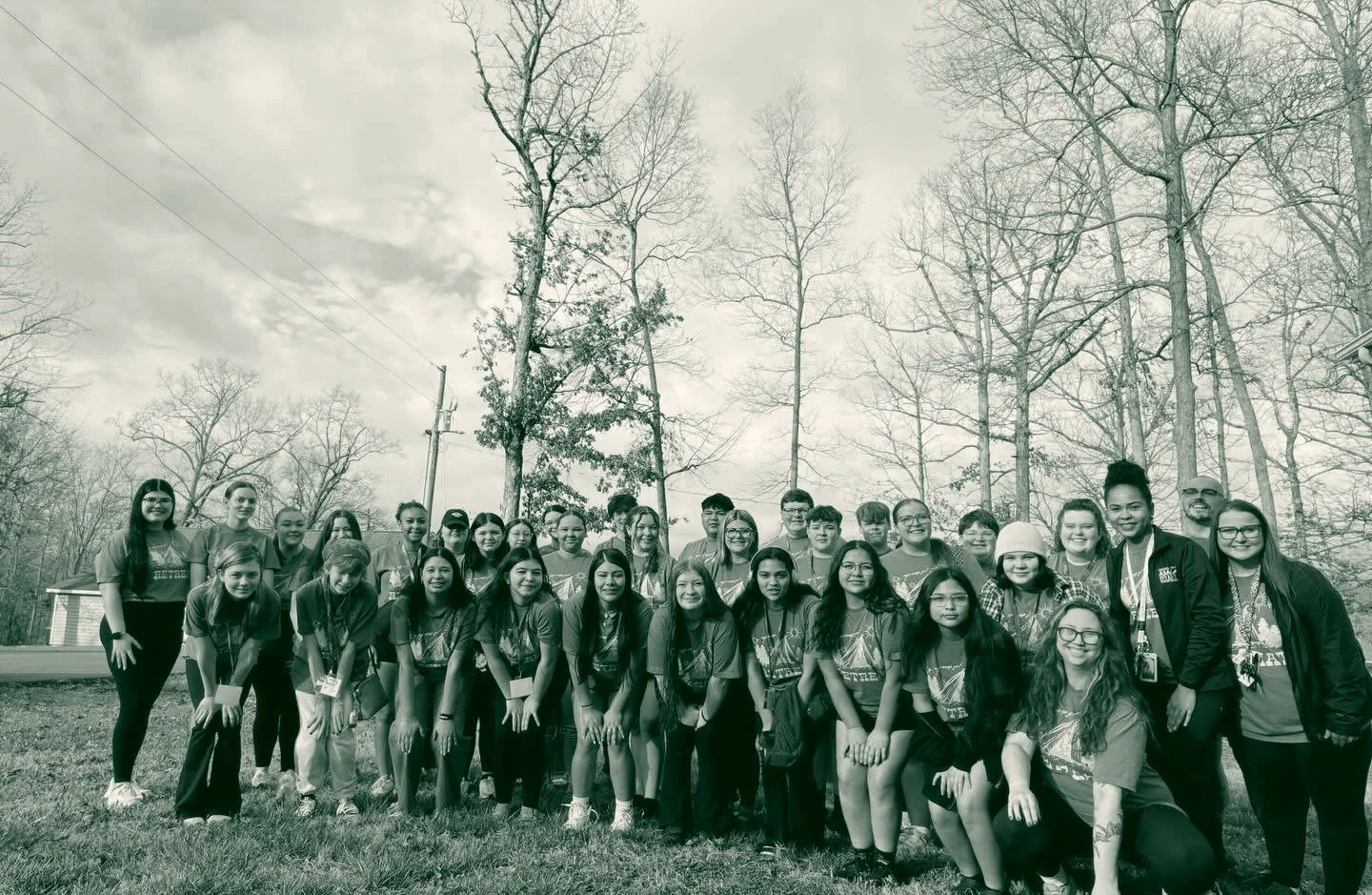
The Mayfield-Graves County ASAP Youth Council is a student-led, adult-guided prevention initiative that gives 7th through 12th graders in a rural western Kentucky county the training, funding, and structure to design and lead year-round substance-use prevention, mental health awareness, and positive youth activities for their peers, families, and community.
The Challenge They Were Addressing
Graves County is a rural western Kentucky community of about 37,000 people. Substance-use prevention programming for adolescents has been funded by GCASAP since 2005. The agency received two consecutive five-year Drug-Free Communities (DFC) grants, providing a total of 10 years of federal funding. The second five-year award ended September 30, 2025, when GCASAP reached the federal program's 10-year funding limit.
During that same period, staff and school partners were observing underage vaping in school bathrooms, weekend drinking, isolation among students without a sport or a club, and families who had few structured ways to talk with their teenagers about substance use, mental health, or the pressures they were facing. The most recent Kentucky Incentives for Prevention (KIP) student survey data available to the coalition was from 2021, and new state opt-in rules had slowed the survey restart, leaving the county without a fresh quantitative signal.
The Youth Council itself had been sustained on donations, local sponsorships, and community fundraising. It worked, but it limited what students could plan, how often they could meet, and how many family-facing activities the agency could offer. When opioid settlement dollars began flowing to the county, the city, and later the Kentucky Opioid Abatement Advisory Commission, GCASAP had an established, trusted youth infrastructure ready to absorb the funding and grow into what students had been asking for.
What They Built
The Youth Council serves students in grades 7 through 12 across Graves County Schools, Mayfield Independent Schools, the Mayfield-Graves Homeschool Cooperative, and Northside Baptist Christian School. Membership is open to anyone. Students do not need a referral, do not have to attend a minimum number of meetings, and are not charged for events. About 35 students are active in a given year.
Programming runs on a 12-month calendar with a monthly theme, so students and school partners can plan around it. August and September focus on recruitment, and October and November run a kindness and community-service campaign. December centers on community involvement, and January turns to vaping awareness. February hosts the You Are Loved mental health campaign, which is consistently the students' most popular initiative. March and April address underage drinking through the Adultish life-skills series, and May, June, and July run Project Teens, a set of positive, chaperoned summer activities.
Student officers plan and lead. Each meeting has a student-run agenda, student-led icebreakers, and student-assigned volunteer roles. An adult advisor is present as a chaperone and sounding board, but the model is youth-led and adult-guided. Officers include representatives from Graves County Schools, Mayfield Independent Schools, and, more recently, a homeschool representative who reports on what students are seeing in their cooperative.
In-school branches extend the reach. GCASAP pays stipends to adult advisors at each partner school, so students who cannot attend after-school meetings due to sports, jobs, or family commitments can still participate during the school day through clubs such as Empower and Pure Cardinals. Family programming, expanded under the state settlement grant, includes family movie nights, back-to-school outreach with conversation-starter booklets, and monthly parent and caregiver classes planned in partnership with FRYSC on opioid prevention, ACEs, PACEs, mental health, and practical tools for families.
Key Program Components
Who You Need at the Table
What made a willing partner essential vs. optional?
Required partners include organizations that can provide access to students. The two public school systems, the homeschool cooperative, and the Christian school together cover almost every adolescent in the county. Without those doors open, the Youth Council would have limited access to the youth. The health department gives the agency a physical home and clinical partners. Law enforcement lends legitimacy, cultivates trusted-adult relationships during Adultish, and gives students a face for public safety that they might not otherwise encounter positively.
The helpful partners extend reach and stabilize operations. The extension office and library provide meeting space during a full office renovation. FRYSC opens the door to large numbers of parents. The KIP survey, when it resumes, will restore the quantitative baseline the coalition needs to target future work. None of these are day-one essentials, but each one makes the model more durable.
Budget Breakdown
What is the minimum viable budget to replicate this?
A rural county with $100,000 can establish a version of this model in year one by paying a single dedicated part-time or full-time coordinator who can commit consistent hours, funding a small monthly programming budget for student-led events, and paying modest stipends to one or two in-school adult advisors. The coordinator does not need a clinical license. Consistency is key. The same trusted adult shows up every week, trusts students to lead, and maintains a predictable schedule. Local partners such as schools, the health department, law enforcement, and the extension office can provide meeting space, guest speakers, and content expertise in kind. A larger budget allows for family programming, paid in-school clubs, and signature events such as post-football Friday Night Done Right.
What Worked and Why
Specific decisions or design features that drove success
Students run the program. Officers plan the events, choose the themes, run the meetings, and decide on the topics based on a survey of their peers' needs. That ownership is why attendance survives a slow week and rebounds to 20 or 30 students the next.
Free events remove any financial barriers that might keep students from showing up. Bowling nights, meals, campaign shirts, and Friday Night Done Right are all free, so a student never has to stay at home because they cannot afford to participate.
Establishing monthly themes gives students, schools, and families something to plan around. Everyone knows October is kindness, January is vaping awareness, February is You Are Loved, March is Adultish, and summer is Project Teens. Predictability is the advantage a rural coalition can offer that a one-off program cannot.
The signature campaigns are the ones students designed and want to run. You Are Loved is a mental health campaign that the students have made their own; it draws the largest audience every February. When a student officer at the recent onboarding retreat proposed a third-space campaign grounded in research showing that adolescents need a place beyond home and school, the idea went straight onto the calendar because it came from the students.
Paying adult advisors in each partner school reaches the students who cannot come after school. Sports, jobs, and family responsibilities keep many students out of a 4:00 p.m. meeting. In-school clubs move the same curriculum into the school day, and the stipend signals that the work matters.
Early outcomes and data
Approximately 35 active Youth Council members in 7th-12th grade in the 2025-2026 school year.
Approximately 651,510 Facebook views and interactions in 2025 (Graves County ASAP), with about 96,000 views in the most recent 30 days.
Signature annual programming is maintained across a 12-month calendar without a slow season.
A new homeschool officer role has been added to reflect a growing number of homeschool students.
First state settlement grant secured for the Youth Council ($90,200 per year for two years), moving the program from donation-dependent to grant-funded.
Companion Next Steps reentry program funded in parallel through the same commission cycle, extending the agency's reach into adult recovery and reentry.
Parent and family programming expanded through the state grant, including new monthly caregiver classes planned with FRYSC.
Lessons Learned
Braid the funding early and label every stream. GCASAP now operates on seven funding streams. Knowing which dollars pay for staff, which pay for the Youth Council, and which pay for Next Steps keeps the coalition compliant with each funder. It prevents the director from repeatedly answering the same question whenever a check arrives on an unpredictable schedule.
Trust students with real responsibility, and let them plan bold things. The best campaigns and events have come from student officers, including a proposed third-space campaign built on adolescent development research. Even when the coordinator has to scale back what a student proposes, the exercise of planning teaches skills that carry over beyond the council.
Design programming for students without a third space. Many members are not on a sports team and are not at the top of the class. The Youth Council is their community. Officer retreats, meals together, and time to be with peers do more for retention than any single curriculum.
Publish, measure, and share what you can, and be honest about what you cannot. Attendance sheets, event counts, and social media analytics are within reach in year one. Adolescent behavior data from the KIP survey have been paused in the county since 2021, so the coalition is running on the last available baseline until both districts finish the 2026 administration.
Make family programming a first-year priority when the funding allows. Community partners told the ASAP coalition they wanted more family-oriented activities. Family movie nights, back-to-school outreach, and monthly caregiver classes with FRYSC have opened a conversation with parents that the youth-only model could not.