Low-Barrier Therapy Scholarships for Rural Recovery
A $125 Flat-Rate Model Covering Up to 12 Sessions a Year
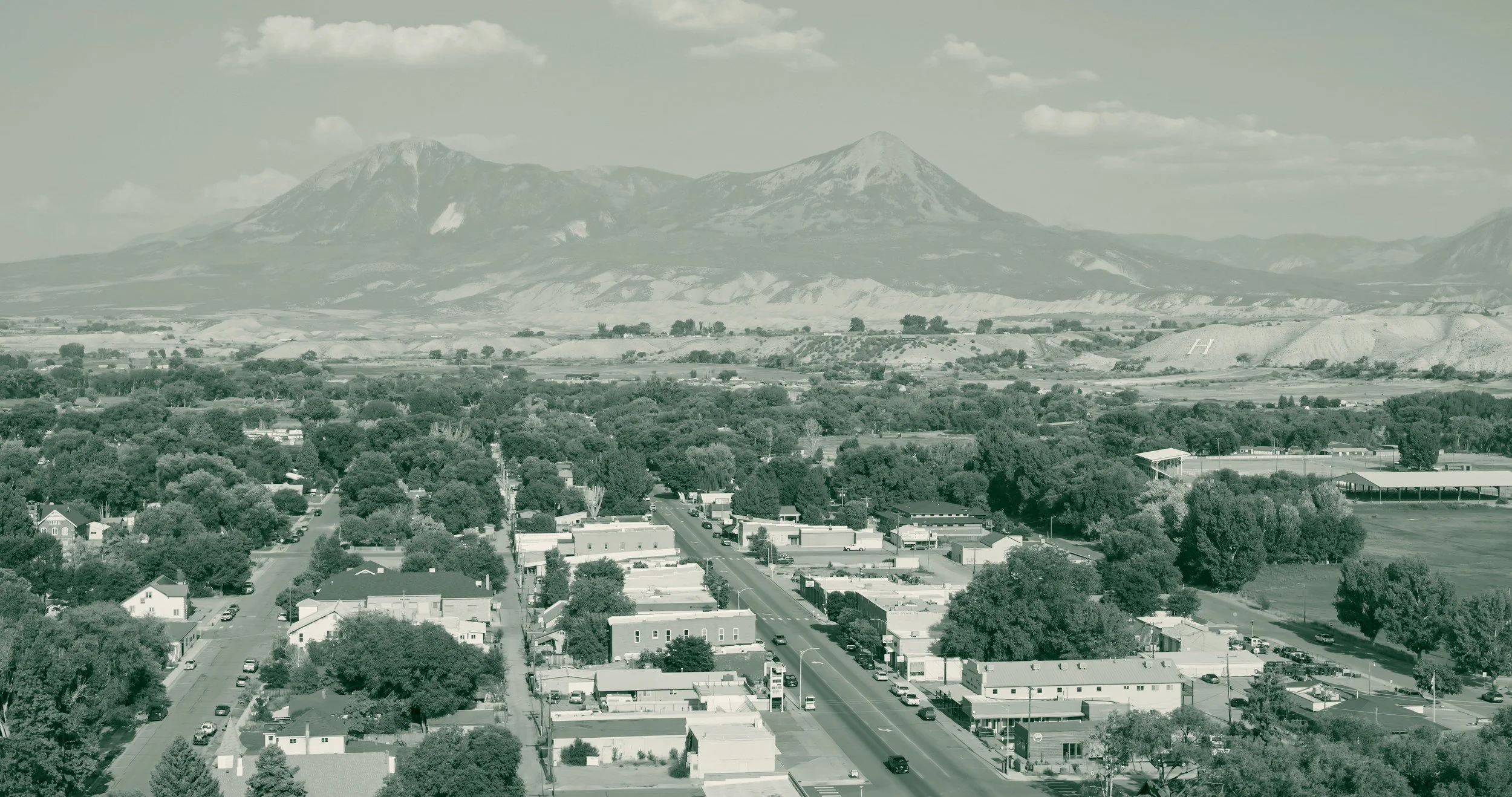
The Recovery Access Fund pays for licensed mental health therapy, six to 12 sessions at $125 each, for people who live or work in four rural western Colorado counties and are in recovery or want to change their relationship with substances, with no diagnosis or proof required.
The Challenge They Were Addressing
Across Delta, Montrose, Ouray, and San Miguel Counties, the barrier to recovery was rarely a shortage of willingness. It was access and cost. These are rural-frontier and resort communities spread across vast, sparsely populated terrain, where the nearest hospital can be an hour or two away. A county like Delta may have only a handful of local behavioral health providers. Many residents were losing Medicaid and Medicare coverage for therapy, others were uninsured and too low-income to afford it, and stigma kept people from seeking help even when a provider was within reach.
Thrive Community Health Network, formerly Tri-County Health Network, is a community health network that does not deliver direct medical care. Instead, it connects people to resources, from insurance enrollment and social service programs to behavioral health support. In its billing data for an existing therapy scholarship, the network noticed a trend: providers were repeatedly reporting that clients were arriving with substance use concerns. The need was showing up inside the therapy room before there was a program built to meet it.
The model was not invented from nothing. It grew out of the San Miguel Behavioral Health Fund, a therapy scholarship started around 2022 and funded by a San Miguel County mill levy, which already covered six to 12 sessions at $125 each for people who lived or worked in the county. That fund had begun to shift the local culture around behavioral health and proved the scholarship approach worked. The question that launched the Recovery Access Fund was direct: take something that already works, focus it on substance use and recovery, and extend it across more counties.
What They Built
The Recovery Access Fund is a therapy scholarship. A person who lives or works in one of the four counties, and who is in recovery or wants to change their relationship with substances, completes a short application on the network's website. There is no requirement to have a diagnosis or to provide proof of a substance use problem. People self-identify. The application reaches the program’s staff member, who processes it and sends approval letters to both the client and the therapist. The client then begins therapy, covered at $125 per session.
Sessions are granted in increments of six rather than all at once. A recipient starts with six sessions and, when those are used, can request six more, up to 12 in a year. Chunking the award this way keeps funds from being committed and then left unused, so money stays available for the next person, and it creates a natural check-in point. When someone reaches back out for a second block, they complete a short survey that captures any changes in insurance, provider, or living situation, asks how the plan is working, and gathers testimonies about progress in recovery.
The fund works because the reimbursement side is simple. Providers must be licensed in Colorado, complete a W-9, and submit the financial paperwork needed to be paid. The rate is the same every time, which the program describes as far easier than billing insurance. If a client already has a therapist who is not yet in the network, the program invites that provider to join rather than forcing the client to switch. The network's directory of approximately 140 approved providers spans the state and includes bilingual therapists and specialties ranging from EMDR to grief, offered in person or via telehealth.
The program is more than a payment mechanism. The staff person acts as a navigator. When an applicant does not have a provider, she asks about language, demographics, lived experience, and specialty preferences, then calls a few providers and passes along two or three good-fit options so the person does not have to sort through a long list alone. The application also asks questions about barriers to services the individual may face, including insurance, transportation, and childcare, and applicants who flag a need are connected to community health workers, ground transportation, or free bus passes.
Key Program Components
Who You Need at the Table
What made a willing partner essential vs. optional?
The partners who make this program possible are the ones who allow a scholarship to become an actual therapy session. The funder makes the dollars available, the approved providers deliver the care, and the regional safety-net clinics act as the front door for the uninsured and low-income residents who most need the fund. Without a licensed provider willing to accept a flat rate and simple reimbursement, there is nothing to scholarship. Without clinics that already serve people falling through the Medicaid and Medicare gaps, the fund would struggle to reach the people it is meant to serve.
Helpful partners extend reach and trust without being essential to a single reimbursement. Public health departments and community providers open doors, Advocates for Recovery chapters carry the message to people already on a recovery path, and the older San Miguel Behavioral Health Fund provides a place to send clients when one county's block of money runs out mid-year. Building those provider and community relationships is slow work, and knowing each partner well lets the navigator ask better questions and make better matches.
Budget Breakdown
What is the minimum viable budget to replicate this?
The floor is a working reimbursement system and a provider list. The program is candid that a smooth billing structure is the single most important piece: a reliable way to pay licensed providers a flat, consistent rate. After that comes a directory of licensed therapists willing to accept the fund, and one person to serve as navigator, matching clients to providers and connecting them to other supports. A smaller county could run a lean version on a modest annual budget if it can reimburse providers cleanly and keep the eligibility threshold low. The relationships with providers and community partners cost little in direct dollars but take sustained time to build.
What Worked and Why
Specific decisions or design features that drove success
Removing the diagnosis and proof requirement was the design choice that made the fund genuinely accessible. People do not have to document a substance use problem or carry a formal diagnosis to qualify. They self-identify. That single decision lowered the barrier for exactly the population least likely to seek help, and it reflects the program's view that making therapy and recovery easier to reach is the whole point.
Granting sessions in blocks of six, rather than 12 at once, solved two problems at the same time. It kept funds from being locked up by people who applied but did not continue, a common pattern in therapy, so money stayed available for others. And it created a built-in check-in, where a request for a second block triggers a short survey on progress and any changes in the person's situation. The design turned a budgeting safeguard into an engagement tool.
Keeping provider onboarding light expanded the network fast. A therapist needs to be licensed in Colorado, complete a W-9, and submit basic financial paperwork. The flat, consistent rate is easier than billing insurance, which drew in therapists who do not take insurance at all and gave clinics a way to cover clients who had lost Medicaid or Medicare therapy coverage. Roughly 140 providers now accept the fund, with the only reason to turn a provider away being a lack of a license.
Pairing every applicant with a navigator, not just a payment, is what turns access into care. The Health Equity Advocate narrows a directory of 140 providers down to two or three good-fit options, asks about language, lived experience, and specialty, and screens for transportation, childcare, and insurance needs. One client who had cycled through therapists that never worked was matched to an EMDR specialist, completed 12 sessions, joined a peer recovery group, and reported the longest stretch of recovery in his life.
Meeting people through everyday channels drove uptake in small communities. The program advertises on local radio and Spotify, tables at community events, and once handed out 1,000 flyers at a Main Street trick-or-treat, drawing families from across the region. It also recruits providers to bring their existing clients onto the fund, so word travels through the therapists people already trust.
Early outcomes and data
231 applicants since the 2024 launch, with applications growing every year.
Applicants in the first half of the current year already doubled the prior year in Delta and Montrose, the slowest-growing area.
San Miguel County exhausted its annual funds roughly halfway through the year, a strong demand signal; overflow clients were diverted to the San Miguel Behavioral Health Fund.
Approximately 140 approved providers statewide accept the fund, spanning a variety of specialties.
Qualitative reports include a client who completed 12 EMDR sessions, joined a peer recovery group, and reported his longest sustained recovery, and another who connected to specialty therapy after rehab.
Care coordination extends beyond therapy: applicants who flag a need are connected to community health workers, ground transportation, and free local bus passes.
Lessons Learned
Keep the front door as low as possible. The decision not to require a diagnosis or proof and to let people self-identify is what enabled the fund to reach people who would otherwise stay away. Accessibility was treated as the core value, not a nice-to-have.
Chunk the money to protect it and to stay connected. Granting six sessions at a time kept funds available for more people and built in a survey and check-in at each renewal. A budgeting safeguard became one of the program's best engagement tools.
Expect an engagement gap and plan for it. Some applicants never start or drop after one session, a common pattern in therapy. The program is still working on this and favors client autonomy over pressure, while using check-ins and navigation to encourage follow-through.
Do not put the barrier on the client. Access, cost, stigma, transportation, and knowing how to navigate the system are the real obstacles, not a lack of will. The program frames its job as removing those barriers, from simplifying provider choice to arranging a bus pass.
Reach people where they already are. In small rural communities, local radio, community events, and providers recruiting their own clients moved the needle more than formal channels. Applicants in the slowest area doubled once outreach met people in everyday places.